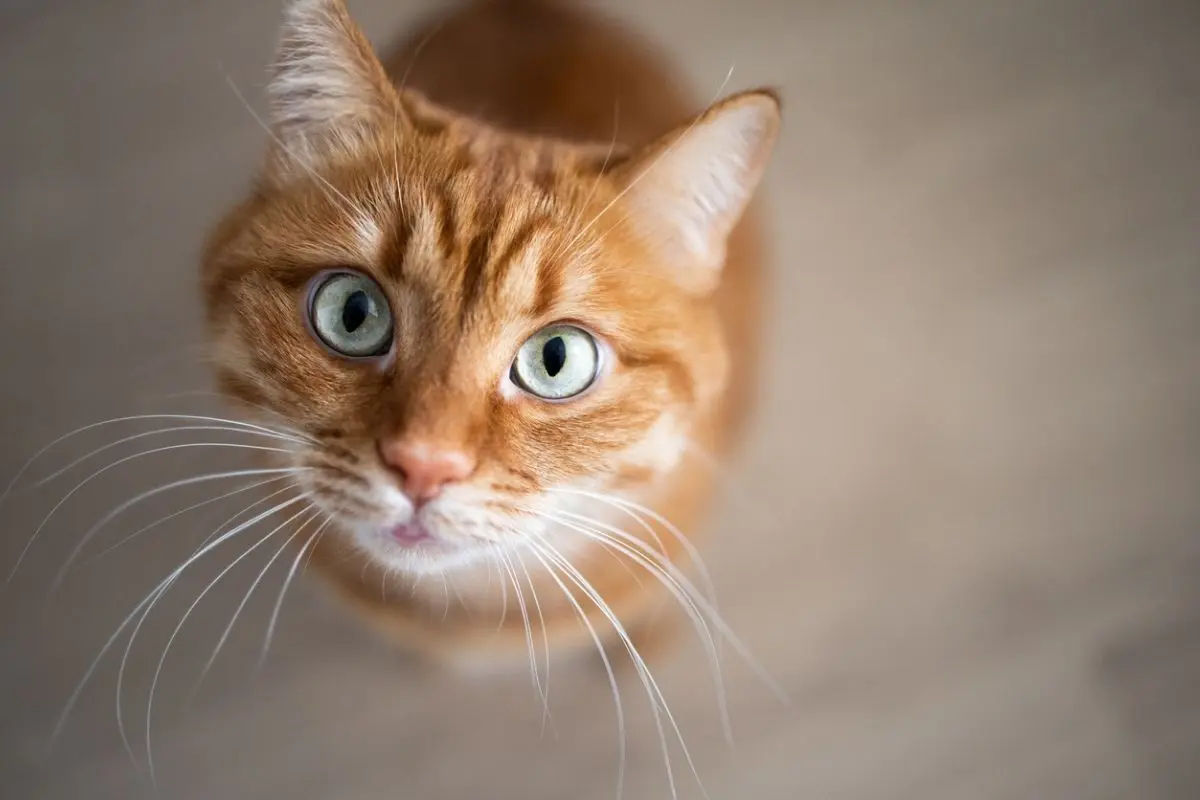
Researchers have identified five main personality traits in cats, reflecting the broad diversity in their behaviors. Individual cats exhibit distinct personality patterns that affect their interactions and environmental needs. For instance, active cats require more stimulation and playtime, while calmer cats thrive on serene routines. Additionally, fearful cats may benefit from safe spaces to retreat to when feeling overwhelmed.
Read More
Despite their popularity as pets, cats have not been studied as extensively as dogs regarding personality. Previous studies often relied on unvalidated behavior questionnaires. To improve upon this, a team from the University of Helsinki conducted a comprehensive study on cat behavior and personality.
The study involved data from over 4,300 cats across Finland, with owners completing a validated online questionnaire assessing behavioral traits. In a follow-up, some owners were asked to take the questionnaire again, ensuring the reliability of the findings. From this extensive dataset, researchers pinpointed seven key traits categorized into five personality dimensions and two behavior tendencies:
1. Activity and playfulness
2. Fearfulness
3. Aggression toward humans
4. Sociability toward humans
5. Sociability toward other cats
6. Litter box issues (such as not using it correctly)
7. Excessive grooming
These findings offer insights into how individual cats behave and interact with both humans and other animals. Notably, personality traits differ between breeds. Among the 26 breeds analyzed, the Russian Blue was recognized as the most fearful, while the Abyssinian was identified as the least timid. The Bengal cat, known for its high energy, was the most playful, contrasting with the more relaxed Persian and Exotic Shorthair breeds.
The study also revealed distinct grooming behaviors, with Siamese and Balinese cats displaying higher tendencies for excessive grooming. In terms of aggression, the Turkish Van breed showed notably higher levels toward humans and was the least sociable with other cats.
Understanding feline personality traits is crucial for tailoring environments to suit individual cats' temperaments. This could help veterinarians, breeders, and pet owners create supportive spaces. For example, active cats might enjoy lively households, while more reserved ones could prefer tranquil settings.
However, the research acknowledges certain limitations. Information regarding breed, age, and sex was reliant on owner self-reporting, which may not always be accurate, especially for cats without formal pedigree records. Additionally, owner biases regarding breed characteristics might influence behavior reporting. The studied population may not fully represent all cats in Finland, as participation was limited to those willing to complete online surveys, predominantly recruited through social media platforms.
Despite these limitations, the study provides valuable insights into feline personality traits, reaffirming the notion that each cat possesses a unique character.