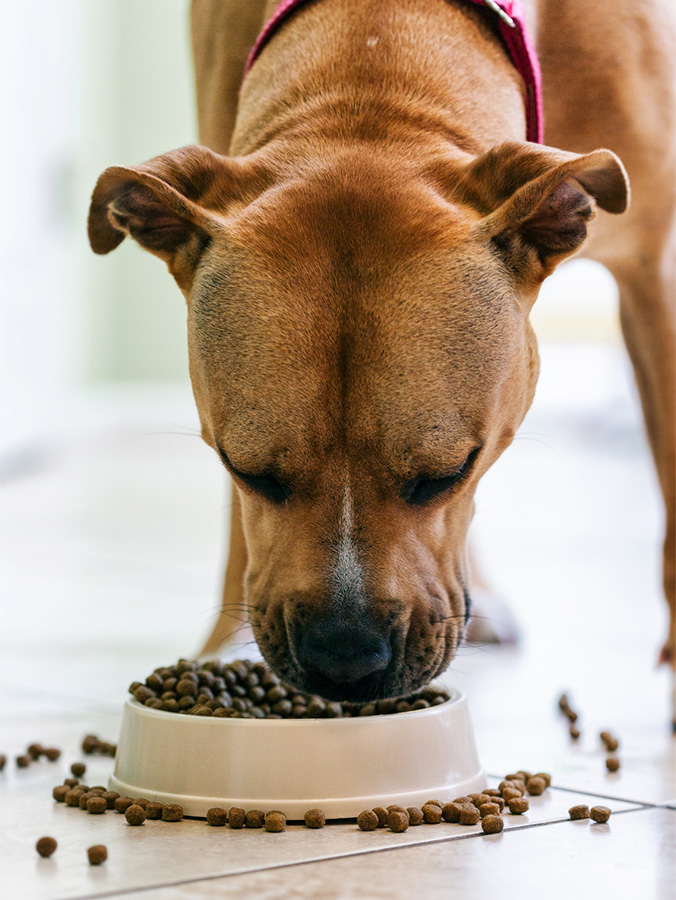
A 2021 study from One Vet, updated in May 2023, indicates that canine obesity varies significantly across different states in the U.S. The research surveyed 2,430 pet owners across 42 states to compare their dogs' weight, sex, and breed against standards set by the American Kennel Club. The top states ranked by the average pounds of dogs that were overweight are:
Read More
1. Pennsylvania: 18.25 pounds overweight
2. Virginia: 16.67 pounds overweight
3. Wisconsin: 16.38 pounds overweight
4. Georgia: 16.18 pounds overweight
5. West Virginia: 15.66 pounds overweight
6. Connecticut: 15.54 pounds overweight
7. New Hampshire: 14.23 pounds overweight
8. New York: 14.03 pounds overweight
9. Nebraska: 13.73 pounds overweight
10. Tennessee: 13.33 pounds overweight
Lily Valez, head of special reports at One Vet, explains that the survey does not address dogs' activity levels or feeding habits. The study highlights a tendency for small breeds, including Pomeranians, Yorkshire Terriers, Bulldogs, and Chihuahuas, to be reported as overweight.
Valez notes that urban living may contribute to obesity rates in certain areas. Many residents in highly populated states often live in apartments, limiting outdoor activities for their pets. Dr. Bryan Langlois, a veterinarian in Pennsylvania, suggests that breed popularity can affect obesity rankings, with smaller, commercially bred dogs more prevalent in certain states compared to larger breeds found in rural areas.
Langlois criticizes the use of weight alone to determine obesity, arguing that it overlooks factors like body fat and muscle mass. He advocates for body condition scoring (BSC), which uses touch and visual checks to assess a dog's health based on a scale from one to nine. A dog's healthy weight is easier to determine using BSC than relying solely on weight metrics.
Veterinarians report that 56 percent of dogs were found to be overweight or obese in a 2022 study by the Association for Pet Obesity Prevention (APOP). Despite the findings, a significant number of owners perceive their overweight dogs as being in normal condition.
Obesity can lead to serious health concerns, such as diabetes and decreased life expectancy. Pet owners are encouraged to recognize the signs of overweight dogs and take preventive measures, including a balanced diet and regular exercise. A minimum of 20 to 30 minutes of daily aerobic activity is recommended for dogs, and consultation with a vet regarding appropriate diets is advised.
When it comes to treats, Freyer emphasizes moderation, suggesting treats should comprise no more than 10 percent of a dog's daily caloric intake, and recommends low-calorie options. Helping dogs achieve and maintain a healthy weight is an ongoing process that requires regular monitoring and adjustments. Veterinarians can assist in developing the right diet and exercise plans, taking into consideration each dog's unique needs and conditions.