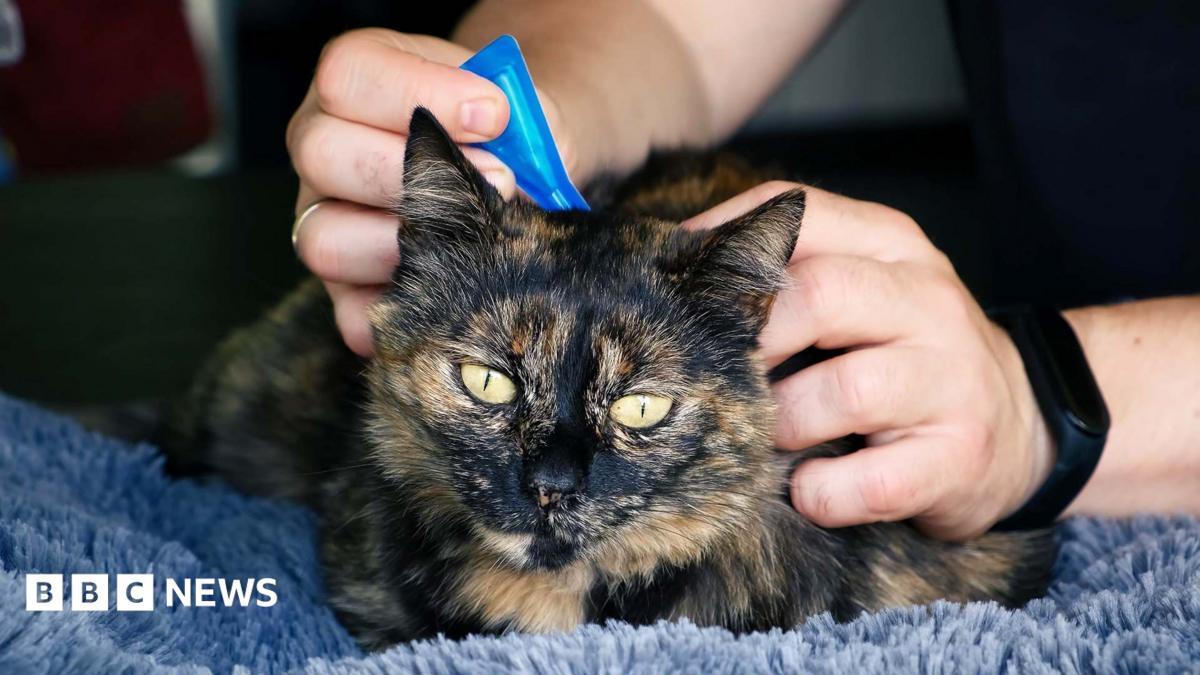
A panel of veterinarians has urged a parliamentary inquiry in the UK to ban over-the-counter flea treatments due to environmental concerns. These concerns focus on two widely used chemicals, fipronil and imidacloprid, which are found in most spot-on treatments for fleas and ticks in both cats and dogs. Environmental scientists have identified these parasiticides as harmful to wildlife.
Read More
During a House of Lords committee meeting on Wednesday, the veterinarians called for an end to year-round preventive treatments and requested that the sale of products containing these chemicals be restricted to licensed veterinary professionals. The industry body representing flea treatment manufacturers defended the necessity of preventive treatments for animal health, despite growing criticism.
Pet owners in the UK have traditionally been advised to administer flea treatments monthly as a preventive measure. However, many veterinary organizations are revising this guidance. The committee heard from three veterinarians who noted an increasing awareness of the environmental risks associated with fipronil and imidacloprid, with a substantial percentage of veterinarians moving away from these treatments.
Dr. Elizabeth Mullineaux, senior vice president of the British Veterinary Association (BVA), reported that recent surveys revealed 80% of BVA's 20,000 members favored banning general sales of these products, while over 70% supported discontinuing blanket preventive treatments. She emphasized that many veterinarians do not use these products routinely on their own pets, contrasting this with the practices of some clinics.
Last week, environmental scientists presented findings indicating that fipronil and imidacloprid can wash into water systems, where they harm insects vital to the food chain, affecting fish, birds, and mammals. Both chemicals have been banned as agricultural pesticides in the UK due to their detrimental effects on pollinators like bees and butterflies.
Ecological consultant Matthew Shardlow asserted that the toxicity of these ingredients is severe and can transfer easily to humans and household items. He argued for their removal from the market, stating, "We know enough to act; we don't need more information regarding fipronil and imidacloprid."
Shadlow pointed out that the existing government guidance does not advise pet owners to cease monthly treatments, only to use the products correctly, making it impossible to reduce environmental contamination to safe levels. Guy Woodward, an ecology professor at Imperial College London, highlighted the extreme toxicity of imidacloprid, noting that even minute quantities could cause significant damage to wildlife. He remarked, "These things are toxic, extremely toxic, in extremely small concentrations... and it's only now we're starting to glimpse the full scale of contamination."