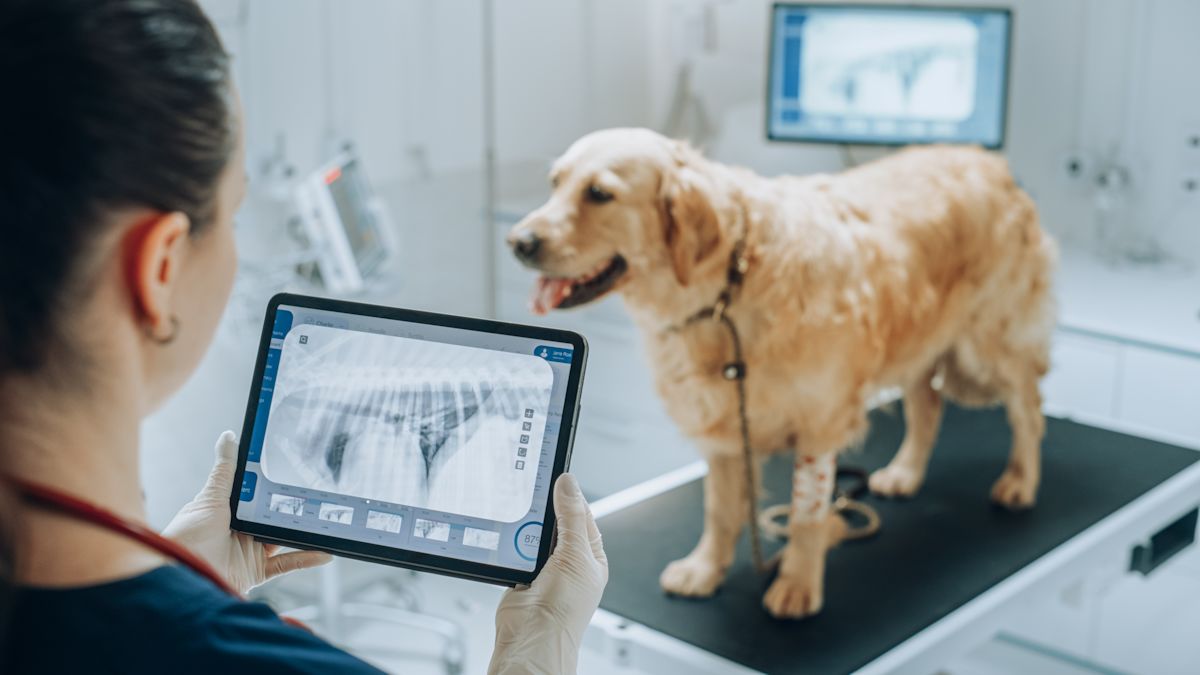
The impact of artificial intelligence (AI) in veterinary care is becoming increasingly apparent to pet owners. Dr. Michael Q. Bailey, DVM, DACVR, president of the American Veterinary Medical Association, emphasized that AI technologies are transforming aspects of pet care, from X-ray interpretations to administrative tasks.
Read More
Dr. Bailey explained that AI aids veterinarians by flagging potential health issues during checkups and predicting chronic diseases like arthritis and diabetes before symptoms manifest. This allows veterinarians to implement preventative measures earlier. He also pointed out the exciting development of precision medicine for dogs with cancer, where AI models help create tailored treatment plans. Research in this area has significantly expanded, with grants for AI-related studies in veterinary medicine increasing tenfold since 2019, according to the Morris Animal Foundation.
Despite these advancements, Dr. Bailey stressed that AI is not a substitute for the expertise and compassionate care provided by veterinarians. "While AI is a powerful tool, it must always support, not replace, the clinical judgment of veterinary professionals," he stated.
In radiology, AI's ability to detect subtle changes in diagnostic images can enhance accuracy. AI has shown a high level of accuracy in detecting fractures and other conditions, often acting as a second set of eyes for veterinarians. This early detection can improve treatment outcomes by identifying issues before they're visible to humans.
Moreover, AI can streamline veterinary workflows. Automated tools, including voice recognition technology, enable veterinarians to focus more on patient care by reducing the time spent on paperwork. Dr. Bailey noted that practice management systems can enhance operational efficiency and improve client communication, thereby benefiting both veterinarians and pet owners.
However, Dr. Bailey highlighted areas where AI still falls short, particularly in areas requiring hands-on examination. He noted that no algorithm can replicate the vital diagnostic information gained through physical examinations.
Telehealth is another area where technology is making strides, offering remote consultations, but it has limitations. A veterinarian must establish a client-patient relationship through in-person exams before providing telemedicine services, except in emergencies. Telehealth offers valuable support but cannot replace essential physical assessments.
When evaluating veterinarians, Dr. Bailey advised pet owners to prioritize the professional's expertise and the quality of care provided, rather than solely their use of technology. While AI is becoming more prevalent, the critical factor remains the quality of human attention and care in veterinary practices.
Looking to the future, Dr. Bailey anticipates continued rapid adoption of AI in veterinary medicine, though he cautioned that the technology's effectiveness depends on the quality of the data used to train AI systems. Addressing the variable anatomy across different animal breeds poses a unique challenge for veterinary AI development.
Ultimately, Dr. Bailey believes that AI's integration into veterinary care can lead to better outcomes for pets by allowing veterinarians to dedicate more time to their care. He concluded that responsible AI application hinges on trust and effective communication within the veterinary community.