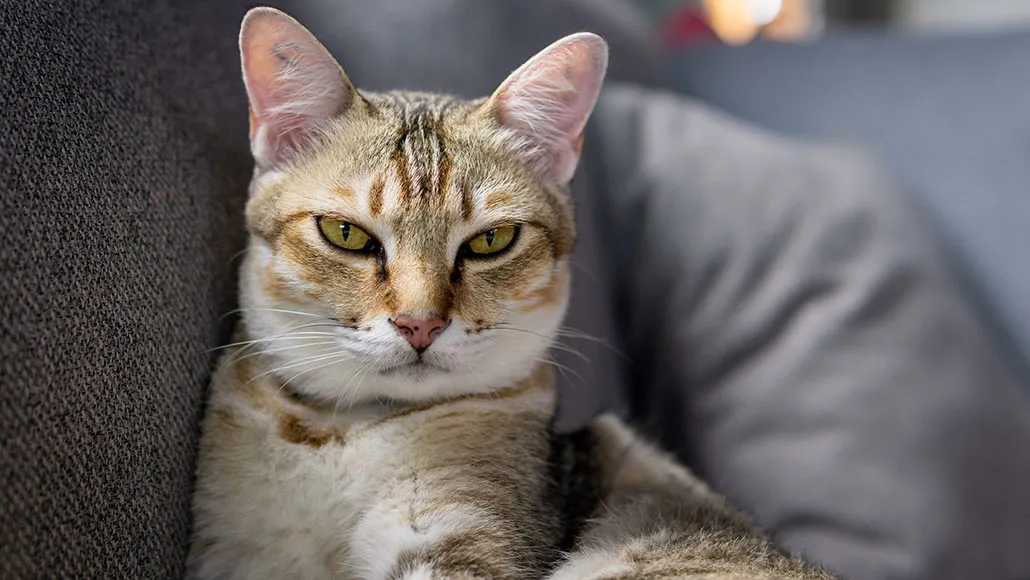
In 2006, Time magazine featured an innovative idea: a San Diego company, Allerca, was breeding cats that were reportedly hypoallergenic. With a hefty price of $3,950 and a 15-month waiting list, these “sniffle-proof” felines promised relief for allergy sufferers. However, by 2010, Allerca ceased taking orders amid lawsuits, as many customers either did not receive their kittens or found that their new pets still triggered allergic reactions.
Read More
Despite initial disappointments, there are new developments on the horizon for cat allergy sufferers. Approaches now being explored include special dietary options for cats that may reduce allergen production and vaccines aimed at lessening the amount of cat allergens in humans. Advancements in gene-editing technology, specifically CRISPR/Cas9, also show promise in creating cats that do not produce allergens at all.
Fel d1, a protein primarily produced in cat saliva and sebaceous glands, is the main allergen responsible for cat allergies. It can persist in homes long after a cat is gone, as it attaches to hair and clothing. Not all cats produce the same amount of Fel d1; studies revealed a variance from 5 micrograms to 2,000 micrograms per gram of fur, influenced by genetic differences that scientists have yet to fully understand. Male cats, particularly those that are unneutered, tend to produce higher levels of this allergen.
Currently, allergy sufferers can manage symptoms with antihistamines and nasal steroids, but these treatments do not address the root cause of allergies. Traditional allergy shots aim to desensitize patients over three to five years but involve a significant commitment and may not provide complete relief.
Emerging therapies target Fel d1 directly. One promising method includes a new form of immunotherapy that involves administering antibodies developed in laboratories. Initial research indicated that this approach could significantly reduce allergy symptoms in affected individuals more rapidly than conventional methods.
Additionally, researchers at Nestlé Purina are testing cat food that contains antibodies to Fel d1, showing a reduction in allergen levels on cat fur by about 50% over time. Meanwhile, a vaccine under development by HypoPet aims to stimulate cats' immune responses to produce antibodies against Fel d1, potentially lessening allergen secretion without harming the cats.
Long-term, the goal remains to breed or genetically engineer cats that do not produce Fel d1 at all. While some breeders attempt to produce low-allergen cats, it has been highlighted that breeding does not guarantee hypoallergenic offspring. Tom Lundberg, a breeder of Siberian cats, emphasizes that while he’s achieved success with some low-Fel d1 cats, the genetics involved are complex.
Indoor Biotechnologies is engaged in genetic research to eliminate Fel d1 in cats using CRISPR/Cas9, targeting the genes responsible for the protein. This work holds potential for creating a new generation of cats that could alleviate allergies for many.
Despite the ongoing research towards hypoallergenic cats, for many individuals, the dream remains unfulfilled. Personal experiences, such as the author's journey with their allergic husband and a supposedly hypoallergenic cat, underscore the complexities surrounding allergies and effective treatments.
While the landscape of cat allergies is evolving, there is still a long way to go before definitive, universally effective solutions are available.