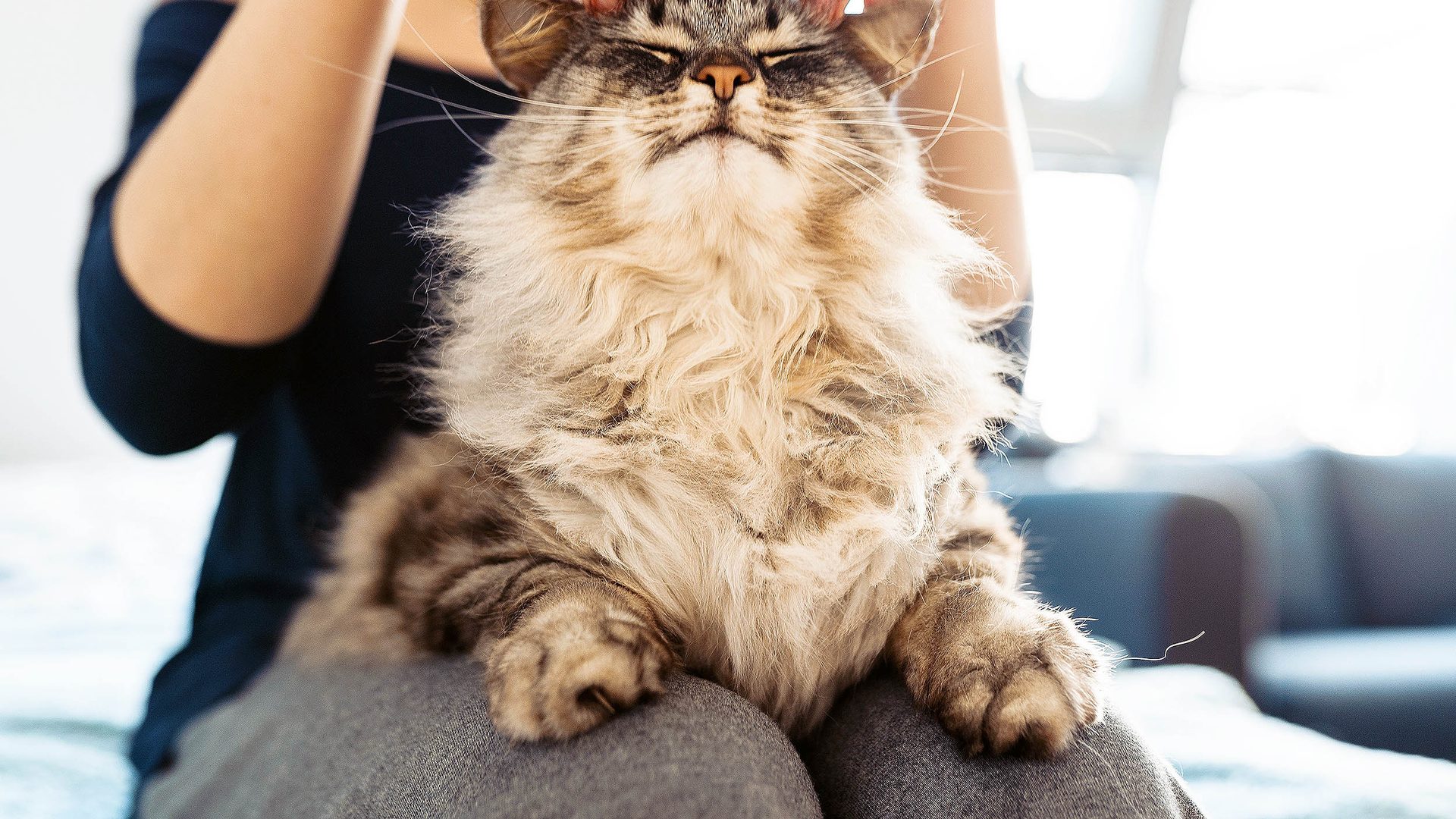
Researchers have discovered that domestic cats with shorter repeats of the androgen receptor gene tend to purr more than those with longer variants. The study, led by Yume Okamoto and a team from the Wildlife Research Center of Kyoto University, provides new insights into the genetic backgrounds influencing cat behavior.
Read More
Cats are known for their unique ability to communicate, with purring serving various purposes such as indicating comfort, soliciting attention, or maintaining peace in stressful situations. The research focused on neutered or spayed mixed-breed cats kept in typical home environments to investigate the relationship between the length of a specific DNA repeat in the androgen receptor gene and behaviors like purring and meowing.
The findings showed that cats with shorter gene repeats exhibited more frequent purring. Moreover, male cats with these shorter variants were more vocal, often seen making distinct calls to request food or companionship. Conversely, female cats with shorter repeats displayed increased aggression towards unfamiliar individuals, suggesting that the same genetic factors can influence communication differently based on sex.
Interestingly, longer genetic variants were commonly found in purebred cats, whereas shorter variants were more prevalent in rescued or mixed breeds. Comparisons with related felines, such as the leopard cat and fishing cat, revealed that only domestic cats possess longer repeats, which may have developed during the domestication process when less vocal, friendlier cats thrived alongside humans.
Understanding the genetic influences on cat behavior is crucial for owners and veterinarians in recognizing their pets' needs. For instance, a cat that hardly meows might still be experiencing stress, highlighting the importance of paying attention to non-verbal cues, particularly in cats with longer repeats.
While this study centered on a single gene, it is important to note that many genes and hormones interact to shape cat behavior. Other genetic factors previously linked to social bonding and aggression, such as the oxytocin and vasopressin receptors, could provide a fuller picture of what shapes a cat's personality. Future research may also utilize whole-genome sequencing to uncover additional genetic differences that influence traits like sociability or playfulness.
Okamoto highlighted the significance of community involvement in their research, noting that they received responses from 265 cat owners in Japan within a single day, emphasizing the importance of understanding daily behaviors in natural settings as opposed to controlled laboratory environments. This research aims to enhance the care for cats, particularly rescues that rely on vocal signals, and to forge stronger bonds between cats and their owners.
The study also opens avenues for better conservation strategies for wild cat species. Improved understanding of feline behavior could aid in captivity and rehabilitation efforts and refine breeding programs aimed at creating stress-free environments.
Future genetic tests may provide insights into a cat’s likely social behavior, crucial for families looking to match a pet’s temperament to their lifestyle. While genetics plays a role, the impact of the environment and individual experiences remain significant factors in shaping cat behavior. The research findings are published in PLOS ONE.