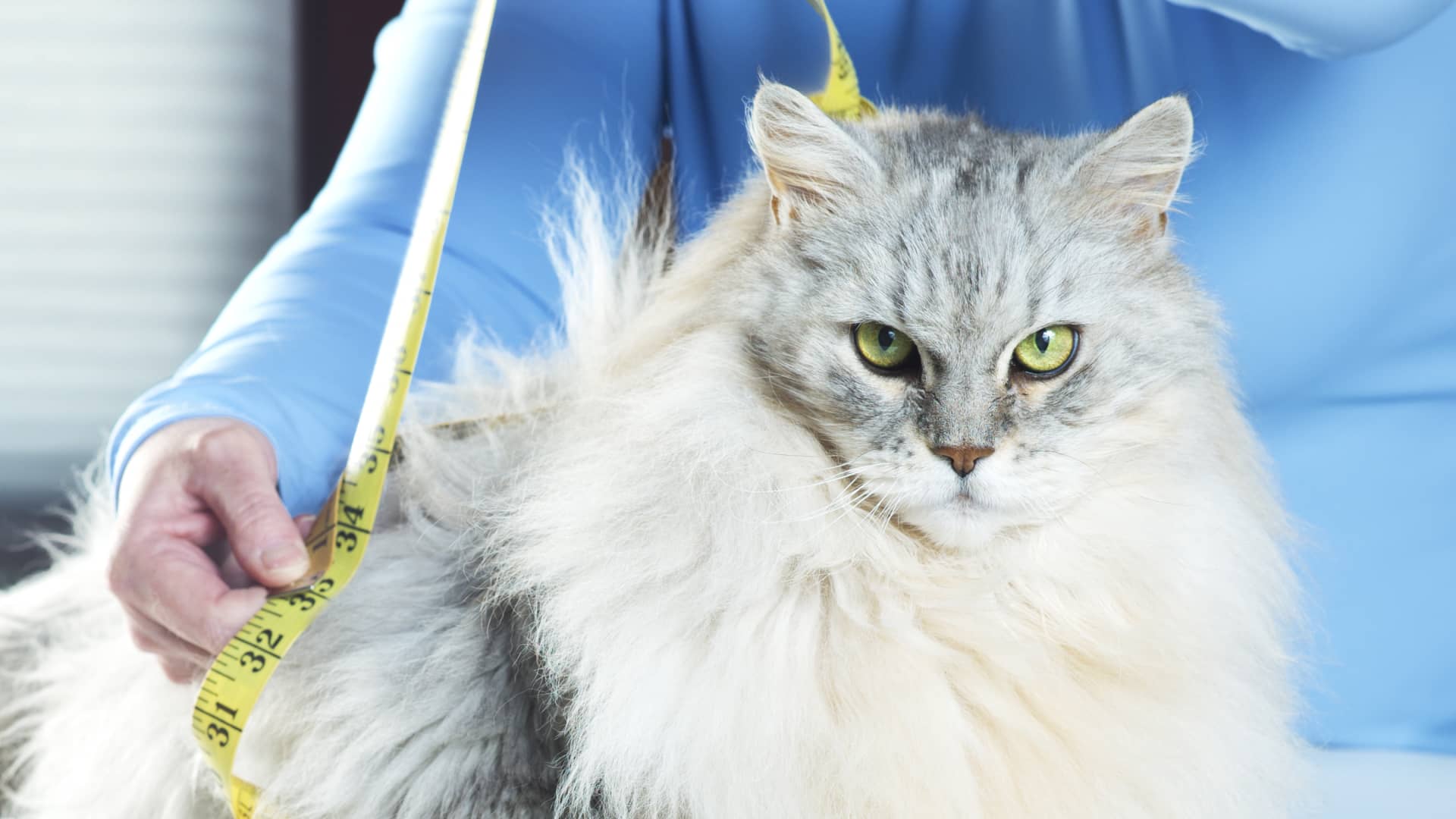
A five-year-old Maine Coon cat named Felix is currently struggling with obesity. His owner, Amy from Dallas, has attempted to manage his weight by reducing meal portions, but Felix consumes all the food available, raising concerns about his health. Amy expressed interest in potential weight-loss drugs for pets, acknowledging that obesity can lead to shorter lifespans and joint issues.
Read More
The idea of weight-loss drugs for pets is gaining traction, as two U.S. biotech companies are conducting research on GLP-1 weight-loss treatments specifically for overweight cats. This research marks one of the initial efforts to adapt this class of drugs from human medicine to veterinary care.
The GLP-1 family of medications has transformed approaches to obesity and diabetes in humans, and it's now being explored for household pets. Akston Biosciences is sponsoring a clinical trial at Cornell University to evaluate a once-weekly GLP-1 therapy for overweight cats, while OKAVA Pharmaceuticals, based in San Francisco, is testing a long-acting implant that could administer medication for up to six months. Both treatments are still in the experimental stages and are not yet commercially available.
According to the Association for Pet Obesity Prevention, 61% of cats and 59% of dogs evaluated by veterinarians in the U.S. in 2022 were classified as overweight or obese, emphasizing a significant challenge in pet health. Cats are particularly hard to manage in this regard; they don’t respond as readily to exercise and are often resistant to dietary changes.
Akston’s CEO, Todd Zion, remarked on the commonality of feline obesity, calling it one of the least effectively treated health issues in veterinary practice. The ongoing trial at Cornell will assess around 70 overweight cats over a three-month period. Likewise, the OKAVA study focuses on an implant and is aptly named “MEOW-1.”
As pet owners increasingly invest in premium food and health products, the market for pet obesity treatments is expanding. Morgan Stanley projects that pet spending in the U.S. will rise from approximately $196 billion in 2025 to over $240 billion by 2030, with pet food sales alone expected to reach $65 billion by 2026.
Analysts caution against assuming that the pet GLP-1 market will replicate the success of human medications. Pricing and the out-of-pocket nature of veterinary expenses may limit accessibility for many owners. Instead, improvements may stem from a more comprehensive approach to obesity management that includes structured weight programs and prescription diets.
Prominent players in the pet food industry, such as Nestlé and Purina, are enhancing their product lines to focus on health and preventive care. Nestlé’s strategy emphasizes personalized health solutions targeting longevity and digestive health, reflecting an evolving landscape in pet nutrition.
The global pet supplements and nutrition market is rapidly growing, as pet owners seek proactive health solutions for their animals. Longevity and preventive health are emerging themes in the pet care sector, uniting companies from food producers to biotech firms.
As new treatments like GLP-1 drugs develop, their acceptance among pet owners could hinge on affordability. For Amy, the primary concern would be cost; she stated that any potential drug would need to be significantly cheaper than treatments for humans to be viable for her cat. Current research indicates that although these drugs hold promise, they remain in the experimental phase, paving the way for future advancements in veterinary medicine.