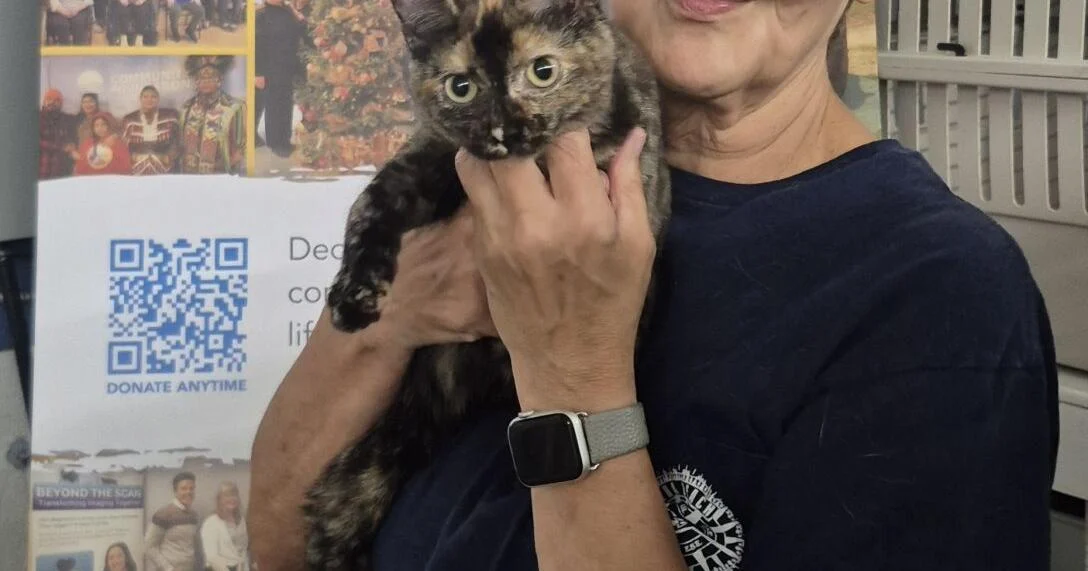
At the Kenora Cat Shelter, cats often arrive facing different circumstances, from those ready for adoption to others needing time to adjust. A bonded pair, Ferg and Eclipse, recently found a home after a nearly three-year wait, as their future adopter waited two years to secure a house that could accommodate both cats. Just three weeks into their adoption, they were already playing together and enjoying attention.
Read More
As of a recent conversation with Lisa Lyle, a volunteer at the shelter, approximately 70 cats were housed there, with three new arrivals in just 24 hours. Lyle noted the ongoing challenge of balancing adoptions with incoming cats, humorously reflecting on the shelter's adoptions: “You adopt two out, you get two in; you adopt one out, you get five.”
Cats come to the shelter through various avenues. Some are surrendered by owners who can no longer care for them, while others are transferred from the pound. A recent addition to the shelter was a cat needing refuge after its owner passed away. Lyle encourages pet owners to plan for their animals' futures in case of sudden changes.
The shelter maintains both a surrender list and an intake list, tracking each cat's health, socialization, and urgent needs. Kittens, in particular, are placed in foster homes until they reach eight weeks of age.
Finding space for new arrivals can be difficult; the shelter lacks designated areas for intake and quarantining sick cats. A recent virus outbreak led to a temporary suspension of adoptions while volunteers intensified cleaning efforts. Expansion plans include leveling part of the building to create new rooms for intake and quarantine, with a designer assisting in the planning process.
The shelter's growth stems from an early operation run by Celynn Alcock out of her garage. After moving to a larger facility and obtaining charitable status, the shelter became eligible for grants. Last year’s funding helped with essential equipment like washing machines and air conditioning, along with spay and neuter procedures for a surge of kittens. Lyle estimates the shelter’s annual operating costs range between $150,000 and $200,000, heavily influenced by the number of cats and medical needs.
Veterinary expenses can fluctuate greatly, costing anywhere from $10,000 to $21,000 monthly, complicating budget planning. While grants provide some relief, constant fundraising is crucial. Volunteers engage in various fundraising activities, from bake sales to attending farmers' markets. Lyle encourages monetary donations, as they can address specific needs effectively.
The shelter also seeks more volunteers to support its mission. Lyle described the current volunteers as dedicated yet emphasized the pressing need for additional help. The volunteers care for cats that might take months to acclimate, highlighting a cat named Gator who went from being frightened to being significantly more affectionate over five months.
Ferg and Eclipse illustrate the success stories the volunteers cherish. Updates on their adjustment in their new home keep the spirits high among the shelter staff. Lyle, who has volunteered for three years, emphasized the fulfillment that comes from witnessing such transformations. "I just keep doing it because I love happy endings,” she said.
— Pam Fedack is a Local Journalism Initiative reporter working with Kenora Miner and News, funded by the Government of Canada.