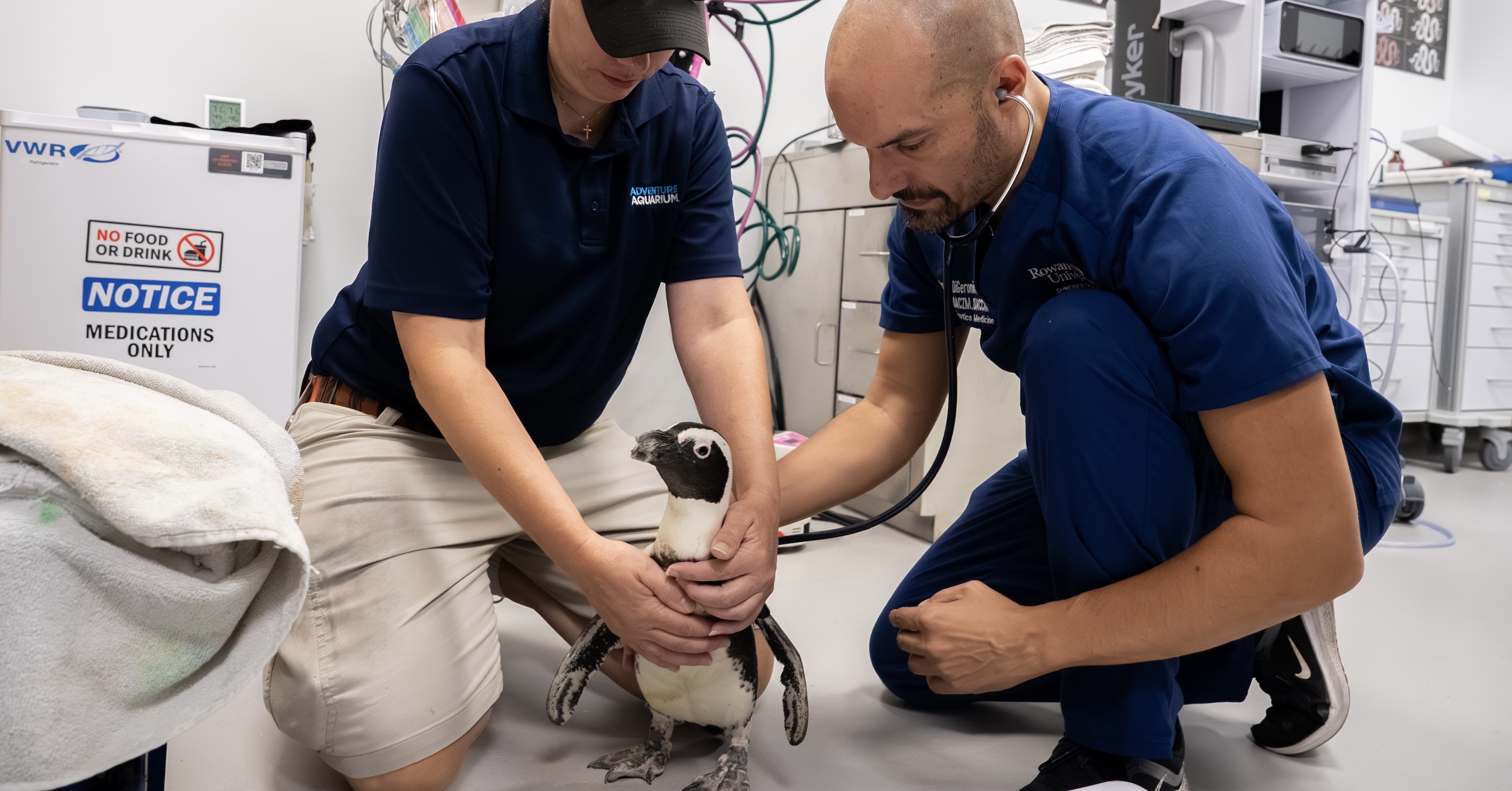
At the Shreiber School of Veterinary Medicine, Peter DiGeronimo, VMD, serves as a clinical associate professor and chief of the Zoo & Exotics Service. He treats a variety of animals, from family pets to those from zoos and aquariums, while educating future veterinarians.
Read More
DiGeronimo's interest in animals began during his childhood in Jersey City, where he interacted with stray cats, pigeons, and urban wildlife. His passion for zoological medicine led him to pursue a career in animal care and teaching.
Treating exotic animals presents unique challenges. DiGeronimo emphasizes a comprehensive approach, stating, "You have to look at the whole picture. How does the family interact with the animal? Where is the animal housed? What does it eat?" This perspective aligns with the One Health concept, which emphasizes the interconnectedness of animal, human, and environmental health.
The Zoo & Exotics Service at Shreiber provides a range of wellness, preventive, and medical care while collaborating with specialty and emergency teams. Unlike typical veterinary practices for domestic animals, treating exotic species often requires creative problem-solving due to the limited availability of established protocols. DiGeronimo frequently adapts treatments from other species and shares his findings through case reports and clinical studies.
In his teaching, DiGeronimo aims to foster critical thinking skills in his students. He believes in hands-on learning, encouraging students to participate in real cases where they assess patients, communicate with pet owners, and make treatment decisions. "There’s no substitute for experience," he asserts.
Learning opportunities extend beyond the classroom. Earlier this year, DiGeronimo took students on a nighttime shark-tagging project in Cape May to collaborate with Monmouth University on monitoring shark migration patterns. This experience exposed students to diverse aspects of veterinary medicine. "I want future veterinarians to be good critical thinkers who can apply what they learn to species they may not have encountered before," DiGeronimo said.