Keeping cats indoors enhances their safety but can limit their natural behaviors. Cats, inherently wild animals, possess instincts from their ancestors who hunted and explored outdoors. To provide a stimulating indoor environment, it's essential to consider things from your cat’s perspective. Here are twelve vet-reviewed tips for creating a more enriching space for your feline.
Read More
1. **Make Meals Feel Natural**: Unlike wild cats, which hunt for their food, domestic cats are often fed in bowls. To mimic a natural feeding experience, hide your cat's food in different spots around the house. Boxes or bags with cut-out handles can serve as hiding spots. Food puzzles are another effective way to encourage foraging, as a study indicated that cats using food puzzles are both happier and more physically fit.
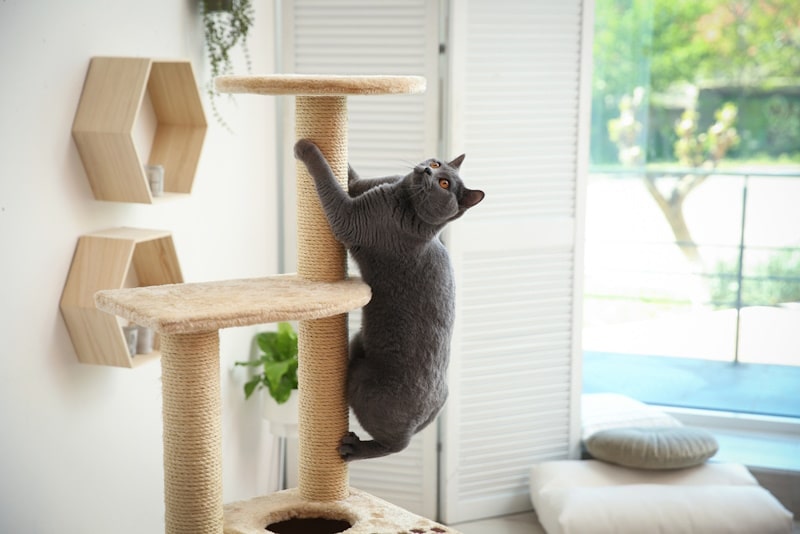
2. **Buy a Cat Tree**: Cat trees provide opportunities for climbing, hiding, and playing, fulfilling a cat's instinctual behaviors. These structures also offer cats high vantage points for observing their surroundings. Choose a tree that fits your home's aesthetic while ensuring that it's placed in a high-traffic area for your cat to enjoy.
3. **Provide Opportunities for Scratching**: Scratching serves multiple purposes: it helps cats maintain their claws, mark territory, and express emotions. To protect your furniture, invest in scratching posts like the Hepper Hi-Lo Modern Cat Scratcher, which balances functionality and style while meeting your cat's scratching needs.
4. **Grow Cat Grass**: Avoid harmful houseplants by cultivating cat grass, an easily grown indoor grass mixture. This natural treat can deter cats from nibbling on other plants and provides fiber that may help with digestion.
5. **Set Aside Time for Play**: Cats require interactive play that mimics their predatory instincts. Engage your cat with toys that encourage chasing and pouncing for at least 15 minutes, two to three times a day. Different toys, such as wand toys or balls, cater to varying play preferences.
6. **Provide Safe Spaces**: Cats need hiding spots to retreat and feel secure. Encourage this instinct by offering cardboard boxes or enclosed cat beds, providing them with cozy places to relax.
7. **Supervised Outdoor Time**: Allowing controlled access to the outdoors can provide stimulation. Consider building a catio or using a pet stroller for outdoor walks, which permits them to enjoy nature safely.
8. **Set Up Window Perches**: Installing perches near windows allows cats to observe the outdoors, providing visual stimulation. If window perches aren’t feasible, organize furniture or cat trees near windows for elevated views.
9. **Use Technology for Engagement**: Interactive gaming apps for cats can stimulate their minds. These games simulate hunting, allowing your cat to engage with a digital environment.
10. **Utilize Vertical Space**: Cats love climbing, so enhancing vertical space with wall-mounted shelves can create a stimulating playground for your pet.
11. **Implement a Daily Routine**: Cats thrive on routine. Establishing set schedules for feedings and playtime can help your cat feel secure and know what to expect.
12. **Train Your Cat**: Cats can learn tricks and tasks, providing mental stimulation and strengthening the owner-pet bond. Training sessions can be a valuable way to engage with your cat and prevent boredom.
Providing an enriching environment is crucial for a cat's well-being. Such settings not only enhance their physical activity but also reduce stress and behavioral issues. Following these tips can significantly improve your cat's quality of life.