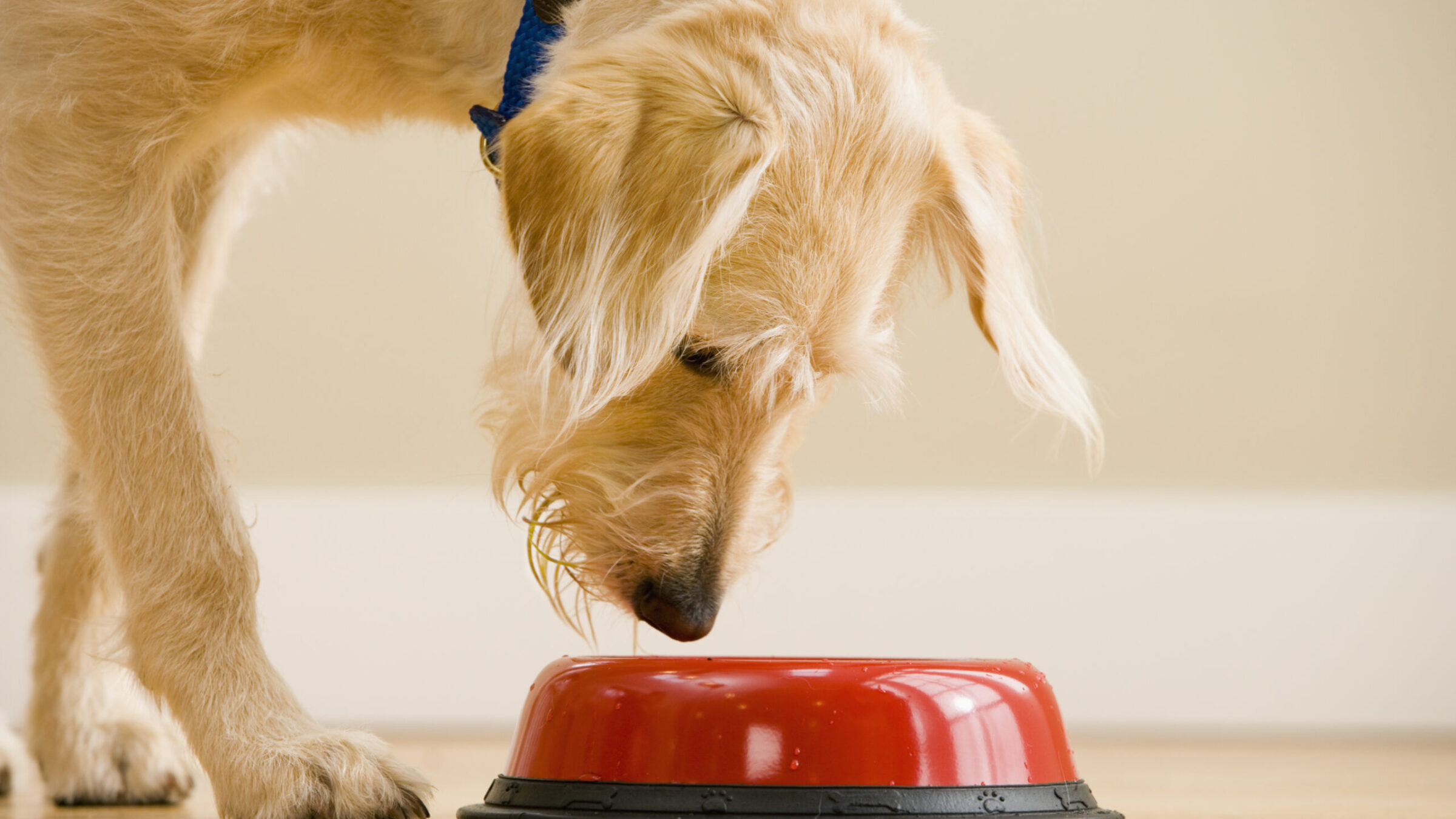
Recent research from the Dog Aging Project indicates that many homemade diets for dogs are deficient in essential nutrients. This study, published in the American Journal of Veterinary Research, analyzed the nutritional adequacy of 1,726 homemade diets reported by dog owners.
Read More
Dr. Janice O’Brien, a doctoral researcher at the Virginia-Maryland College of Veterinary Medicine at Virginia Tech, stated that only 6% of the homemade diets evaluated were found to potentially be nutritionally complete. She cautioned that the actual percentage might be lower since the study did not account for precise ingredient amounts.
The data was collected through surveys from participants in the Dog Aging Project, a joint initiative involving Texas A&M College of Veterinary Medicine and Biomedical Sciences, which engages over 50,000 dogs in studying aging and health.
Dog owners provided their diet information using an online tool called Balance It, designed to assist in formulating nutritionally complete homemade meals. Dr. O’Brien noted that Balance It adheres to the guidelines set by the U.S. Food and Drug Administration and the Association of American Feed Control Officials for canine nutrition.
Dr. Katie Tolbert, a veterinary nutritionist involved in the study, warned that preparing dog food at home carries significant responsibility. She stressed the importance of sticking to prescribed diets formulated by a board-certified veterinary nutritionist, as omitting ingredients can lead to nutritional imbalances.
For instance, replacing types of oils can affect a diet's completeness, and neglecting calcium supplements can result in serious health issues, such as bone degradation known as ‘rubber jaw.’ Moreover, dogs with pre-existing health conditions are at even greater risk from inadequate nutrition.
Tolbert advised against including harmful ingredients like grapes, which are toxic to dogs, and whole bones, which pose risks due to sharp bone fragments.
For those considering homemade meals for their pets, Tolbert recommends consulting a local veterinarian and collaborating with a board-certified veterinary nutritionist to develop a tailored diet. Additionally, she suggests having the homemade diet tested in a laboratory to confirm its nutritional content aligns with the intended recipe.