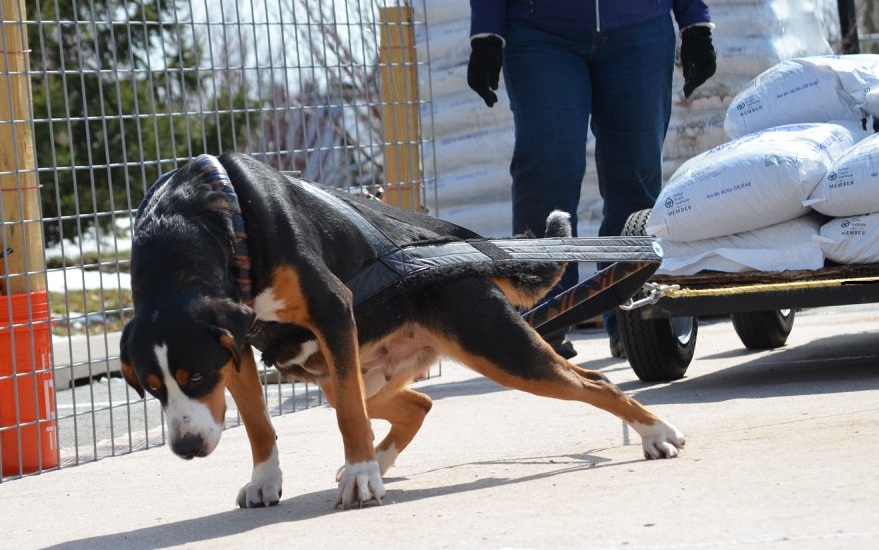
The sport of dog weight-pulling has faced scrutiny for its seemingly harsh nature, with some animal welfare organizations advocating for its ban. Critics argue that strapping heavy weights to dogs may be cruel, while supporters view it as a competitive challenge similar to other dog sports. Unlike agility or simple games, weight-pulling is physically demanding, as highlighted by the case of Dezzy, a Swiss Mountain Dog, whose experience during competitions raises questions about the sport's impacts on canine well-being.
Read More
Dog weight-pulling has historical roots, originating in the late 19th century when dogs assisted in pulling heavy loads during the Klondike Gold Rush. While it has transformed into a spectacle with organized competitions worldwide, its competitive structure was standardized by the International Weight Pull Association (IWPA), founded in 1984. The IWPA aims to keep events fun and safe, overseeing competitions across the U.S. and Canada, although not all events fall under its jurisdiction.
In a typical weight-pulling competition, dogs are tasked with pulling a loaded sled or trailer over a distance of 16 feet within one minute. The competitions have nine weight classes and are open to all breeds. Participants cannot physically touch their dogs during the event and must provide encouragement from a distance. To ensure safety, the IWPA has implemented strict rules, including the requirement for proper harnessing, age limits, and vaccinations, alongside prohibitions against abusive treatment and performance-altering drugs.
Despite the IWPA's efforts to maintain safety, concerns persist regarding the physical strain placed on dogs during these competitions. Although no injuries have been reported in IWPA events since 1984, the potential for discomfort, pain, or long-term injuries remains a concern, particularly in non-regulated competitions. Competitive pressure may compel dogs to push beyond their limits, increasing the risk of injuries, as many canines try to please their owners by masking discomfort.
Proponents of weight-pulling argue that the sport provides mental and physical enrichment for dogs, especially those bred for strength or work. Owners of active breeds often seek challenging activities that stimulate their dogs. Still, finding safe exercises that enhance fitness without risking joint strain is crucial. W. Clay Fonvielle, a board member of the IWPA, highlights the sport's potential for canine rehabilitation, as it can be used to improve fitness post-injury with appropriate veterinary guidance.
As with all competitive dog sports, weight-pulling raises ethical questions. The involvement of dogs in activities they may not independently choose—whether through training or competition—can blur the line between enrichment and exploitation. Society’s evolving understanding of animal welfare compels ongoing discussions about the nature of dog sports and the standards that govern them.
In conclusion, while competitive canine sports can enrich the lives of many dogs, ensuring their safety and well-being should remain paramount. For those interested in engaging with dog weight-pulling, it is advisable to participate in events sanctioned by reputable organizations like the IWPA to prioritize canine safety.