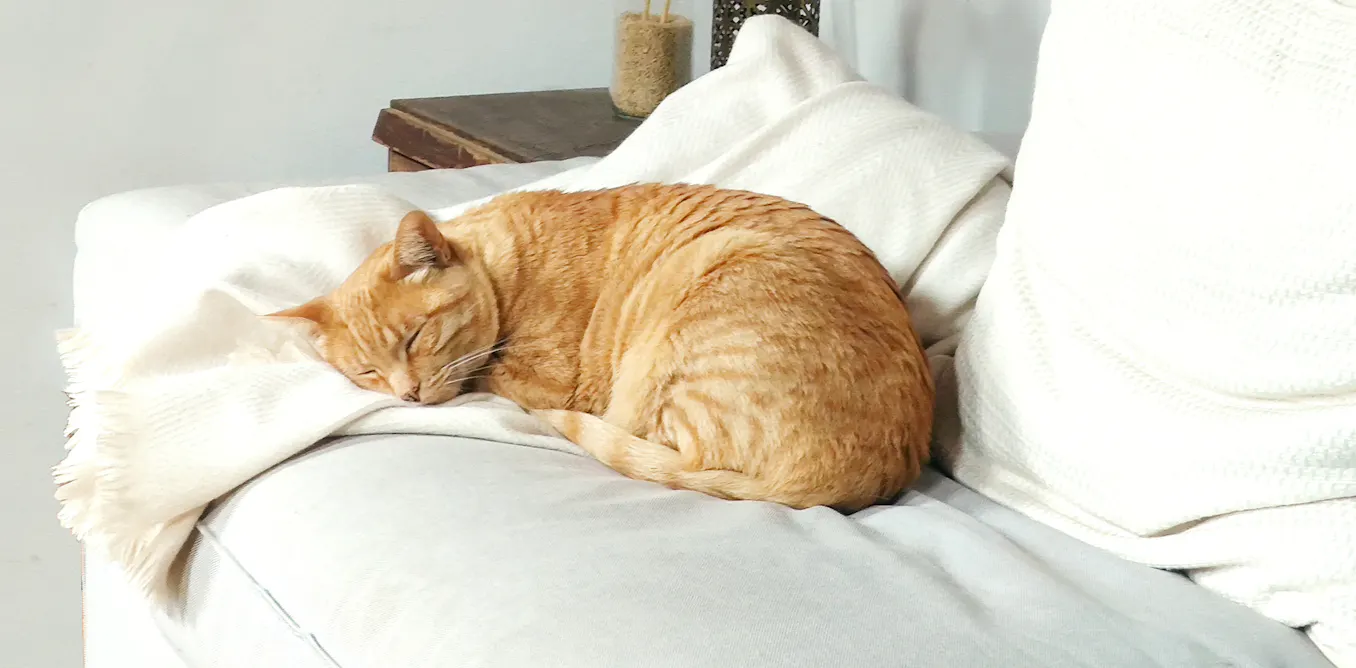
Geriatric veterinary care is advancing, with pets living an average of 11.3 years, according to data from France. Our understanding of how to enrich the lives of aging pets is rapidly evolving. Simple changes can greatly improve the comfort and quality of life for older dogs and cats, emphasizing the importance for pet owners to be proactive as their companions age.
Read More
Determining when a pet is considered old varies by species. Cats typically reach senior status around 10 years old, progressing from mature to senior and then super-senior. In contrast, dogs have varying timelines based on their size. Small breeds, such as Chihuahuas or Cavalier King Charles Spaniels, become seniors around 12 years of age, while medium to large dogs like Golden Retrievers may enter this stage as early as 6 years.
It is important for pet owners not to panic when their pets enter these later life stages. This period may simply require increased attention and adjustments to their environment and care routines to support them effectively.
Healthy aging in pets means they can maintain their physical, behavioral, social, and emotional needs while enjoying a stable relationship with their humans. Normal signs of aging include greying hair and slight changes in mobility or senses, which should not significantly impact their quality of life. However, signs like mobility difficulties or early cognitive dysfunction require veterinary advice.
Quality of life is central to evaluating whether a pet is aging well. A frailty assessment, originally drawn from human geriatrics, can help monitor pets for any increase in disease susceptibility, allowing interventions to be made early.
Modifying the home environment can greatly aid older pets. Ensuring they can easily access food, water, and resting areas is crucial. Practical changes include providing small steps, firm and low cushions, and raised feeding bowls for pets with osteoarthritis. Multiple feeding and sleeping areas and low-entrance litter trays can also enhance comfort.
Maintaining a positive and calm relationship is vital. Behavioral changes should be investigated, as they may indicate discomfort or needs rather than just aging. Physical and cognitive stimulation should be adapted based on the pet's condition. For example, puzzle feeders can be adjusted for ease of use, and training sessions should be kept short with enticing rewards.
Walks should continue, but older pets may benefit from being carried in a comfortable bag if they tire. Diet is also essential; easily digestible foods formulated for senior animals can help maintain health. Avoiding raw meat is recommended due to potential health risks, while a mix of dry and wet food can be beneficial. Warming wet food can make it more appealing for picky eaters.
Regular veterinary check-ups are critical for senior pets to manage vaccinations and monitor health issues. Geriatric consultations are recommended to assess the unique aging process of each animal, beginning ideally at the start of their third age. The frequency of visits should increase if signs of frailty appear.
Ultimately, the goal of modern veterinary care is not only to prolong the lifespan of pets but to enhance their quality of life, ensuring they remain happy and healthy for as long as possible.