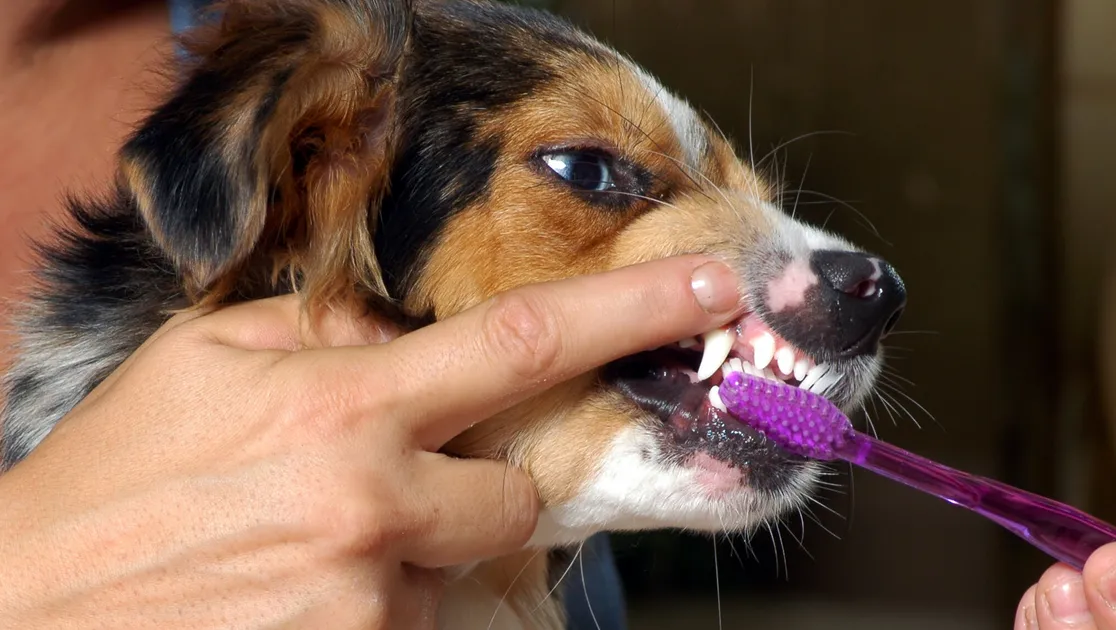
Many pet owners face challenges with maintaining their pets' dental hygiene, especially when pets resist using a toothbrush. Dr. Maureen K. Murithi, a veterinarian consulting for The Vet Desk, emphasizes that neglecting dental care can lead to severe health issues. Bacteria buildup can cause plaque, tartar, and even lead to infections in crucial organs such as the heart and kidneys if not promptly addressed.
Read More
Dr. Whitney Miller, former chief veterinarian for Petco, notes that while brushing is the most effective method for pet dental care, alternative solutions can be beneficial. Options include dental treats and water additives that help maintain oral health. Dr. Heidi Cooley, a veterinarian at Banfield Pet Hospital, recommends checking for the Veterinary Oral Health Council (VOHC) seal of acceptance when selecting dental products.
Among the recommended products are dental water additives, which contain enzymes that break down plaque and tartar. These are added to pet water. One popular option is tasteless and odorless, alcohol-free, and has received over 15,100 five-star ratings on Amazon.
Dental chews, like Greenies, with a chewy texture are also effective in combating plaque and tartar buildup. They are veterinarian-authorized and come in varieties suitable for both cats and dogs.
A grooved chew toy infused with baking soda can provide another brushing alternative for dogs. This rubber toy has nubs that help clean teeth while pets chew.
For those looking to avoid brushing at all, certain no-brush dental gels can use antibacterial agents to reduce plaque and freshen breath. One option, by TropiClean, claims to be effective in just one month.
Plant-based dental chews, such as Whimzees, are recommended for pets with dietary sensitivities. These treats are designed with grooves to aid in plaque removal as pets chew.
Dr. Megan Conrad, a veterinarian with Hello Ralphie, suggests that specialized dry kibble can aid in tartar control. Kibbles formulated for dental care tend to be larger and have textures that can help clean teeth.
For cats, Purina's Dentalife treats are recommended for their ability to reduce tartar with added vitamins and probiotics.
Dr. Stephanie Sheen advises against raw bones for dental cleaning due to risks such as tooth fractures and contamination. Instead, she suggests items like bully sticks or enzymatic rawhides for heavy chewers.
To support dental health, food additives can be a practical solution. Some daily powders can help control tartar and reduce plaque when added to pet food.
Veterinarians agree that certain breeds, such as pugs and Persian cats, are more prone to dental problems due to their facial structures. Building a dental care routine using chews and other products can support healthy teeth and gums, with the added benefit of acting as treats for pets. Consistent use and gentle encouragement can help integrate new dental care methods into your pet's routine. The original version of this article was published on HuffPost.