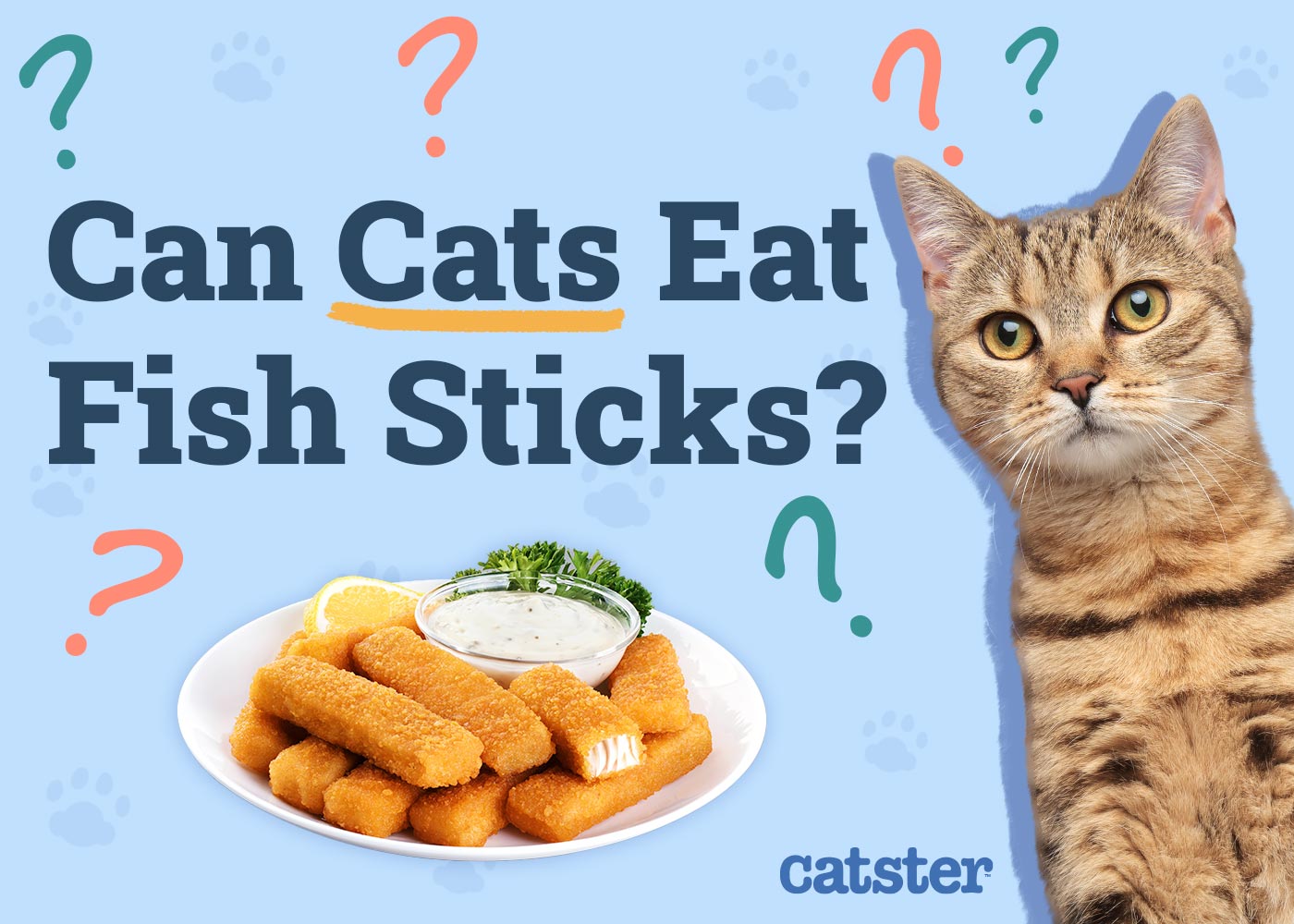
Cats are known for their curiosity, often leading them to explore various foods, including human snacks like fish sticks. While fish sticks typically do not contain toxic ingredients for cats, they are not considered a healthy treat.
Read More
Cats are classified as "obligate carnivores," meaning their diet should mainly consist of animal flesh and organs. Essential nutrients such as taurine, found solely in animal proteins, are vital for their health. Unlike some animals, cats cannot convert beta-carotene from plants into vitamin A, so their dietary needs are primarily met through meat.
Regarding fish sticks, they are generally unhealthy for cats. The breading on these snacks is high in carbohydrates and lacks nutritional benefits. Additionally, fish sticks often contain spices that can be harmful or unappealing to cats. Due to these factors, it's advisable not to feed your cat fish sticks, no matter how tempting their behavior may be.
If you want to create a feline-friendly alternative, consider making "fish sticks for cats" using safe ingredients. Baking is a healthier cooking method compared to deep-frying. You can prepare fish sticks using canned fish (like tuna or salmon) that is preserved in water without added sodium, avoiding any spices or seasoning.
A simple recipe includes:
- 1 can of canned fish (tuna or salmon)
- 1 cup of flour
- 1 egg
- 2 tablespoons of water
Preheat the oven to 180ºC (350ºF). Mix the fish, flour, water, and egg until it forms a dough. Roll the dough out, cut into strips, and bake for 15–20 minutes. This homemade version can be a fun way to involve the family in cooking for your pet, while also providing a safe treat.
While occasional homemade fish sticks can be a delightful treat for your cat, they should not replace a balanced diet. Always monitor your cat for any adverse reactions and consult with a veterinarian if any concerns arise about their eating habits or health.