In spring 2024, over 200 dogs were rescued from two puppy mills and temporarily housed in an Oklahoma warehouse. The dogs varied widely in breed, including shih tzus, Dobermans, and a Saint Bernard mother, showcasing how far dog breeds have evolved from their wolf ancestors and highlighting the health challenges they face due to human aesthetic preferences.
Read More
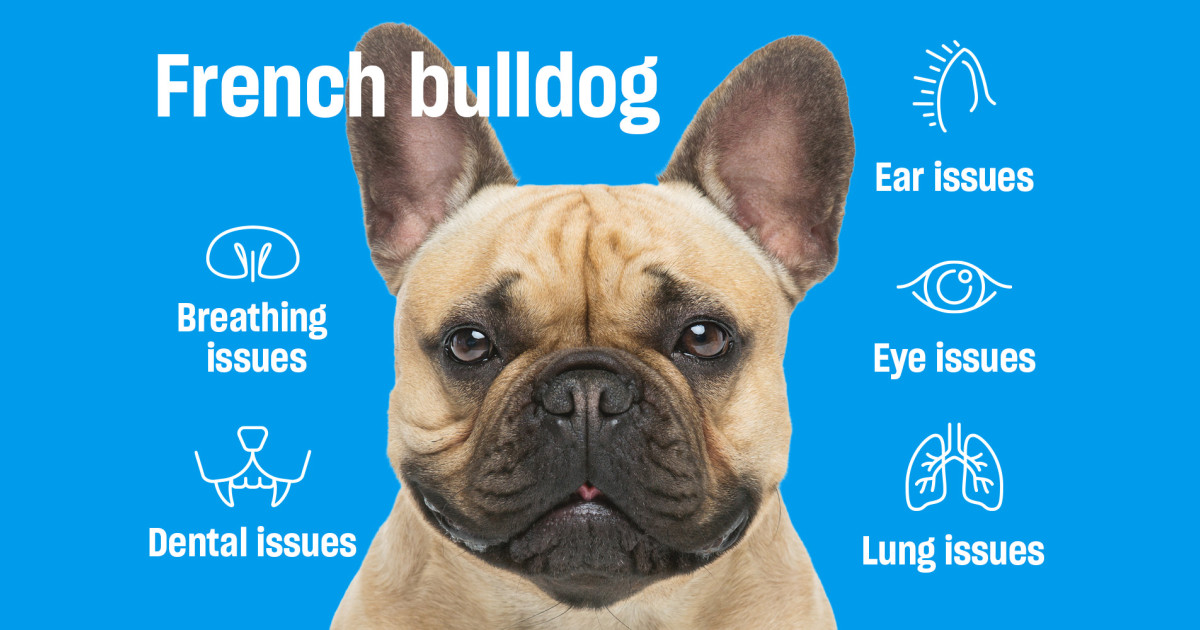
Many of the rescued dogs exhibited serious health issues. French bulldogs had significant breathing difficulties, especially in hot weather, leading rescuers to provide additional fans. Shar-peis suffered from excessive facial wrinkles, with some dogs experiencing painful eyelid and eyeball complications. Basset hounds had recurring ear and eye infections likely due to their long ears and sagging skin.
Domesticated dogs, evolved from wolves over thousands of years, saw a shift in breeding practices during the 1800s, moving from functional traits to a focus on appearance. Breed standards defined by breed clubs established restrictive criteria for physical and behavioral traits, leading to high rates of inbreeding. A 2021 study from the University of California, Davis, analyzed nearly 50,000 dogs and found an average inbreeding level of around 25%, detrimental to their health.
High inbreeding rates increase the likelihood of genetic diseases among breeds. Dobermans, for instance, face a 40% inbreeding level and are susceptible to heart muscle disorders, whereas Cavalier King Charles spaniels have a 20-fold higher risk of heart disease compared to other breeds. Golden retrievers have notably high cancer rates.
Brachycephalic breeds, including pugs and French bulldogs, have been selectively bred for shortened skulls, resulting in severe breathing issues such as Brachycephalic Obstructive Airway Syndrome (BOAS). It’s estimated that half of these breeds experience this condition, which complicates their ability to sleep, exercise, and regulate temperature, potentially leading to other health complications.
The Cavalier King Charles spaniel is particularly affected by these breeding practices; nearly all possess skulls that are too small for their brains, leading to painful neurological conditions. Furthermore, the physical traits desired by breeders—such as compact body shapes—often result in natural mating difficulties and the necessity for C-section births.
Efforts to improve dog health through genetic testing and health examinations have not been widely adopted by breeders. A grading tool for BOAS was introduced in North America in 2023, but many breeders hesitate to implement health testing, focusing instead on aesthetics and profit. Misconceptions about kennel club registrations contribute to the perception of health security among consumers.
Despite these health issues, brachycephalic dogs have gained immense popularity, with the French bulldog becoming the most registered breed in the U.S. by 2022, following a trend of preference for breeds with baby-like features driven by human emotional responses. Recent efforts at awareness and change within breeding practices are being met with resistance, as emotional bonds between owners and their pets create denial about the dogs’ health problems.
Highlighting these issues, advocates are pushing for reformed breeding guidelines that prioritize animal welfare over appearance. Trends toward seeking healthier genetics through selective crossbreeding and legislative bans on certain breeding practices have emerged in various countries, including a significant ruling by the Norwegian Supreme Court against breeding for health-compromising traits.
As the conversation continues, experts assert the need for significant changes in dog breeding standards and practices to ensure a healthier future for purebred dogs, reaffirming the importance of addressing health challenges linked to genetic conformity and aesthetic preferences.