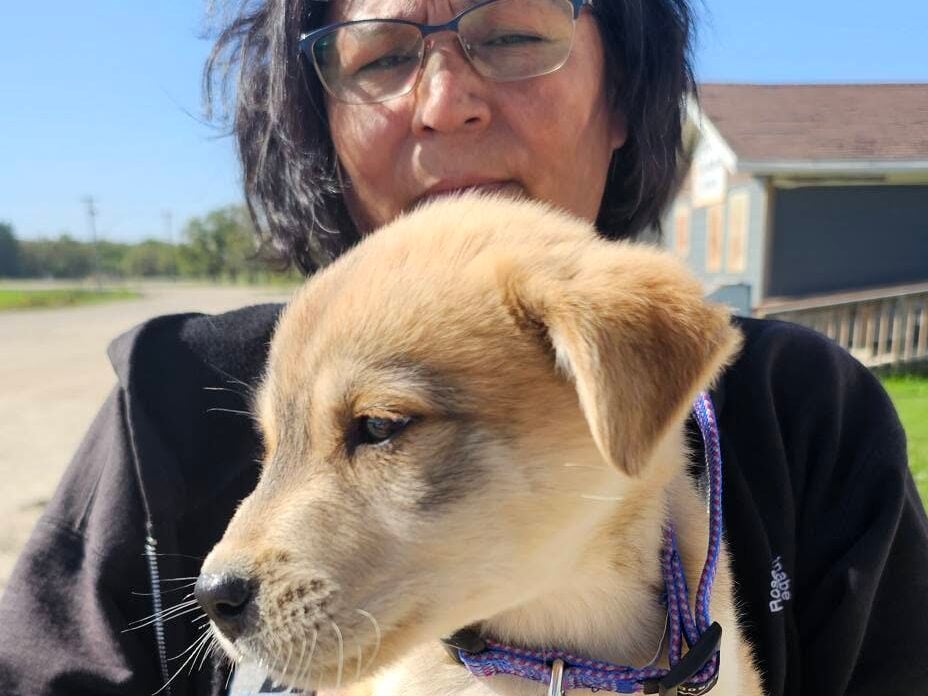
In southern Manitoba, June Thomas has taken significant steps to address the growing population of stray dogs in her community on the Roseau River Anishinabe First Nation (RRAFN). Starting in 2017 with a home initiative called “June’s Adoptables,” Thomas has transformed her efforts into Ginew Animal Care Services, now the first animal shelter on-reserve in the province, officially opened in February 2023.
Read More
Thomas’s motivation to act stemmed from the loss of her dog Bessie to canine parvovirus, a contagious disease affecting dogs. Stray dogs, often referred to as “rez dogs,” are mixed-breed animals that roam communities without owners, leading to health risks associated with overpopulation and lack of veterinary care. Thomas, a recent graduate of a veterinary assistant program, aims to promote animal welfare in her community.
In July, Thomas joined fellow advocates at the Manitoba legislature to honor Amanda Nobiss, a 37-year-old Métis volunteer, who tragically died after being attacked by a dog in Sandy Bay Ojibway First Nation. The group called for increased funding for veterinary services to manage the rising dog populations on First Nations.
Thomas emphasized the need for support, stating, "People think we don’t care for our animals, but we do. They just need that support and guidance on how to care for them." Alexandra Jarrett, an advocate with Save Rez Dogs, echoed this sentiment, highlighting that lack of resources does not equate to a lack of care for the animals.
Richard Herbert, a former veterinarian, pointed to broader infrastructure gaps as reflective of the challenges faced by indigenous communities. The Assembly of First Nations (AFN) has indicated that First Nations infrastructure has been historically underfunded, which affects essential services including animal welfare.
He argued for a collective approach to address these issues, calling on non-Indigenous advocates to stop blaming Indigenous communities for the stray dog problem without recognizing the underlying causes. Herbert criticized the government for not maintaining comprehensive data on incidents like Nobiss’s death or dog-related injuries in Indigenous populations.
Thomas is leading initiatives on the RRAFN to manage the dog population, including the development of an animal bylaw and conducting spay-and-neuter clinics. Her community has witnessed a decrease in the dog population from 214 to about 117 following these efforts. She noted that the presence of parvo has also significantly declined due to public education and vaccination initiatives.
The shelter, although opened with local funding, does not have a permanent budget, which poses ongoing challenges for animal care management. Manitoba's provincial veterinary care program assists by offering some funding for mobile veterinary clinics, yet many Indigenous communities remain under federal jurisdiction, complicating delivery of services.
Despite these challenges, Thomas has encouraged community involvement and collaboration, seeking to strengthen local solutions for animal care. She asserts the importance of advocating not only for the animals but for comprehensive support for the communities that care for them.