A recent study conducted by researchers from the Royal Veterinary College (RVC) in the UK and National Chung Hsing University in Taiwan has provided new insights into the life expectancy of pet cats in the UK, including breakdowns by breed and gender. The findings were published in the Journal of Feline Medicine and Surgery.
Read More
Dr. Kendy Teng, the lead author of the study and Assistant Professor of Animal Welfare Epidemiology, emphasized the importance of these life tables for understanding cats’ longevity. “Knowing the expected lifespan of their cats helps owners make informed decisions for their pets,” she said.
The researchers analyzed data from over 7,900 pet cats that passed away between 2019 and 2021 through the Vetcompass Programme. They discovered that the average life expectancy for cats in the UK is 11.74 years. Female cats tend to live approximately 15 months longer than males, potentially due to males being more susceptible to urinary tract issues, feline leukemia, and injuries from fights or accidents.
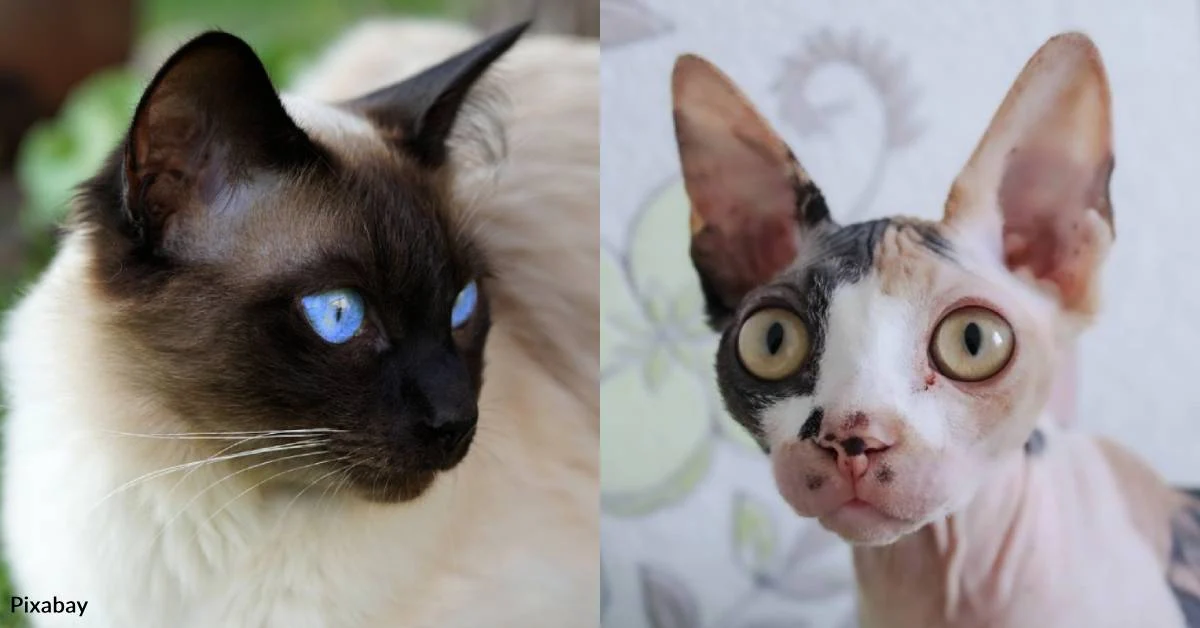
The study found that purebred cats generally have shorter life expectancies than crossbred cats. The Sphynx breed had the shortest lifespan at an average of 6.68 years, followed by the Bengal at 8.51 years. In contrast, the Burmese and Birman breeds had the longest life expectancies, averaging around 14.4 years. Crossbreeds averaged 11.89 years, while Siamese cats had a life expectancy of 11.69 years.
Factors such as not being spayed or neutered and being overweight were also associated with reduced life expectancy. The researchers hope these findings will aid potential cat owners and provide veterinarians with richer information about the lifespan of their patients.
Dr. Dan O’Neill, a co-author of the study and Associate Professor of Companion Animal Epidemiology at RVC, noted that this research allows cat owners to forecast their pets' future based on scientific methods and large data sets.
However, the researchers noted some limitations, including that many of the cats in the study were euthanized, which may lower the overall life expectancy figures compared to cats that died of natural causes. They also highlighted that while similar studies from other countries have yielded comparable results, variations exist and further research is needed.