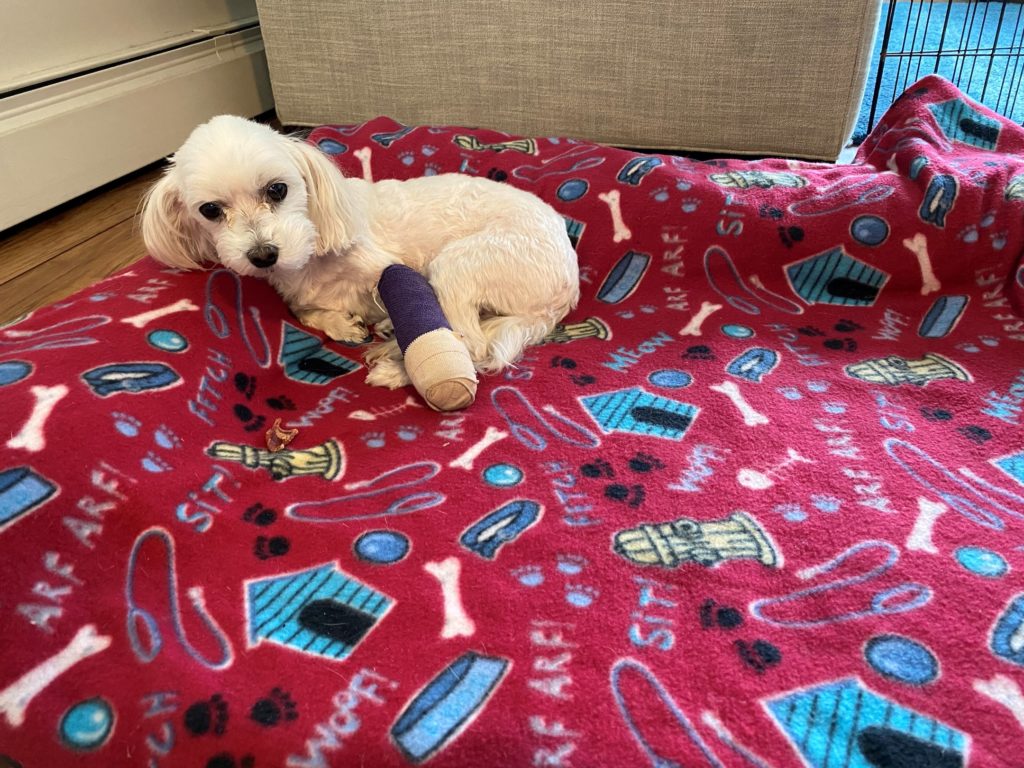
Veterinary care costs are increasing significantly for American pet owners, leading to concerns about the influence of private equity firms and large corporations buying veterinary practices nationwide. Paul Solman reports on this troubling trend.
Read More
As veterinary expenses rise, more pet owners are sharing their experiences:
Clyde, a 9-year-old boxer living in California, was diagnosed with cancer after a year of health issues, prompting his owner, Kylie, to spend $3,500 on his care in 2026 alone. Similarly, Jennifer Tirnauer has spent around $20,000 on her 14-year-old Balinese cat, Jupiter, noting that incremental vet bills make it difficult to determine when to stop spending.
Veterinary costs have surged approximately 60 percent since 2014, far exceeding overall inflation. This increase is partly attributed to inflation, advancements in veterinary medicine, labor shortages, and the rising prevalence of corporate ownership.
Matt Salois, President of Veterinary Management Groups, emphasizes that while price increases can be linked to various factors, private equity's role is significant but complicated. The impact of corporate ownership on vet costs can be challenging to quantify directly.
Private equity tends to purchase veterinary businesses to maximize their value, often burdening these practices with debt to increase profits before selling them at higher prices. Helaine Olen, a financial journalist, states that this aggressive acquisition often leads to higher costs for customers and pressure on veterinary clinics to boost revenue quickly.
Salois notes that the size of a corporate practice can affect the dynamics between veterinary staff and pet owners. Smaller practices often maintain better connections, while larger corporate entities may prioritize profits, affecting the quality of care.
In the past decade, the percentage of veterinary practices owned by corporations has increased from 10 percent to an estimated 30-50 percent, with certain specialties seeing up to 75 percent corporate ownership. This trend reflects the lucrative nature of veterinary medicine, particularly given the emotional bonds people have with their pets.
Michele Forbes, who operates an independent veterinary practice in Michigan, has received enticing offers from private equity firms but has declined to sell. She explains that while her practice is impacted by corporate competitors that can offer significant discounts on medications, she is determined to maintain her independent practice.
However, the rise of corporate ownership can diminish competition in local markets, which may lead to higher prices for consumers as independent practices, critical for maintaining competitive forces, become less common.
Mars, a conglomerate that owns about 2,000 U.S. veterinary practices, commented on rising care costs, attributing them to advancements in veterinary medicine, a shortage of professionals, and increased medical supply expenses. They assert that their veterinarians retain clinical autonomy despite their corporate structure.
Many pet owners, like Francis Wong, have had negative experiences with corporate-owned practices. Following his dachshund Pluto's tragic death due to lack of coordinated care, Wong discovered that the veterinary clinic was owned by private equity firm KKR. He received a partial refund under a nondisclosure agreement, prompting him to create PrivateEquityVet.org, a website aimed at enhancing transparency regarding the ownership of veterinary practices.
The increasing financial burden on pet owners and the growing dominance of corporate entities in the veterinary field raise important questions about the future of veterinary care and its accessibility.