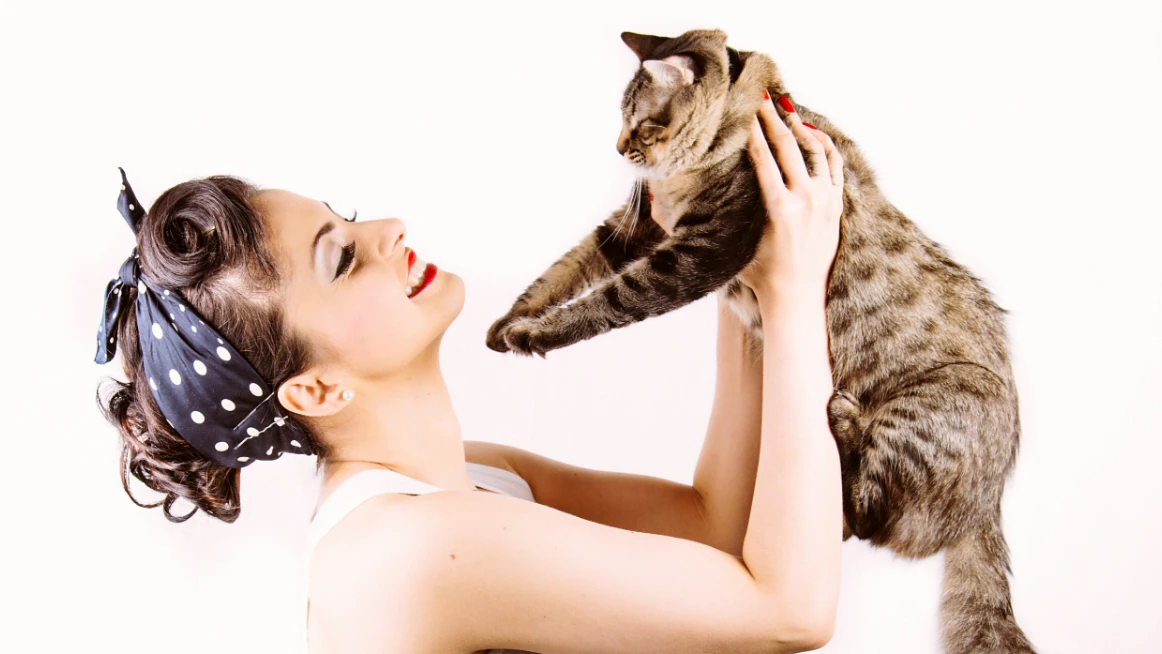
A recent study from Oregon State University challenges the common perception that domestic cats are aloof. Traditionally viewed as more self-contained and less affectionate compared to dogs, cats are often thought to seek human interaction primarily when they want something. However, this research, published in the journal Behavioural Processes, suggests otherwise.
Read More
In the study, researchers assessed the sociability of 50 cats, both from homes and shelters, by offering them a choice between four stimuli: human contact, food, toys, and scent. After depriving the cats of these factors for several hours, the findings revealed that most preferred human interaction over food.
The researchers noted, "Increasingly, cat cognition research is providing evidence of their complex socio-cognitive and problem-solving abilities. Nonetheless, it is still common belief that cats are not especially sociable or trainable. This disconnect may be due, in part, to a lack of knowledge of what stimuli cats prefer, and thus may be most motivated to work for."
This study suggests that when a cat meows, it may not always be a signal for food, but rather a desire for companionship. The implications encourage a reevaluation of how we understand feline behavior and their need for social engagement.