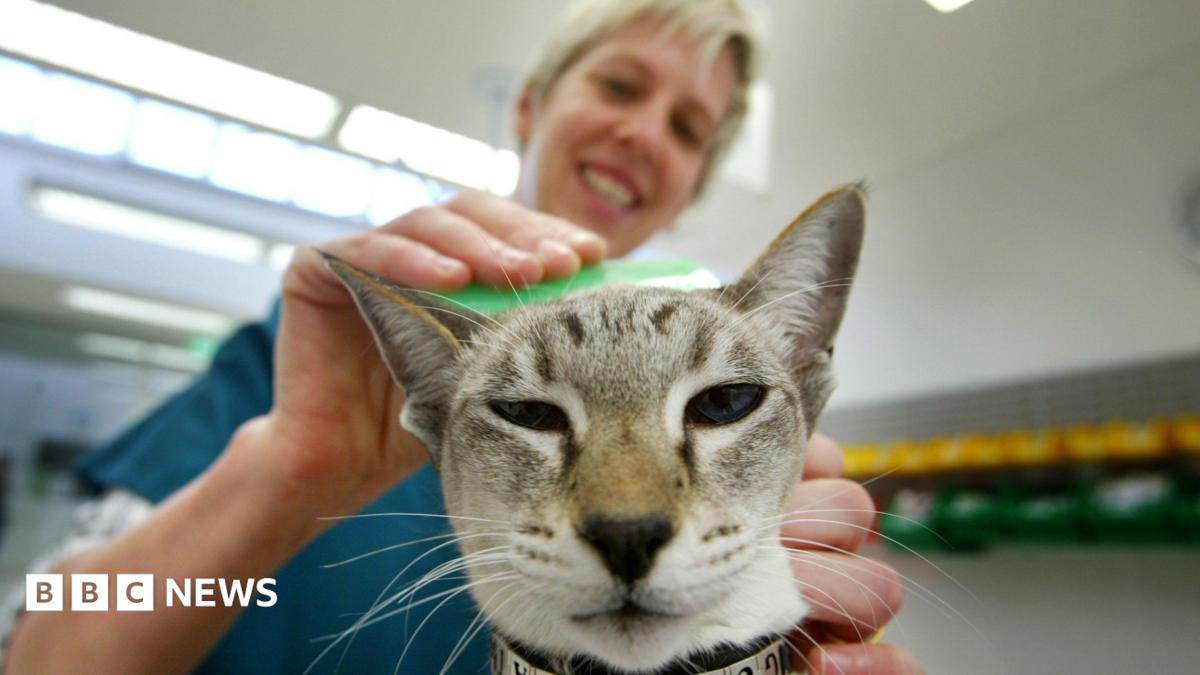
A House of Lords committee has called for a ban on the general sale of pet flea treatments due to environmental concerns. These treatments, commonly available in supermarkets and online, are often used by pet owners to prevent parasite infestations on their pets.
Read More
The committee emphasized that widespread usage of these products could pose threats to natural ecosystems. The UK government stated it is reviewing the availability of these treatments to ensure they are used correctly by pet owners. Currently, dog and cat owners are typically advised to apply spot-on treatments monthly, but the committee found insufficient scientific evidence supporting such routine usage, suggesting it might be harming the environment.
During evidence sessions, it was revealed that many veterinarians do not treat their pets monthly. Instead, they check for fleas with combs and apply treatments only as needed. High levels of fipronil and imidacloprid, common ingredients in these treatments, have been detected in UK waterways, negatively impacting aquatic life and potentially affecting other wildlife higher in the food chain. These chemicals have been banned in agricultural use due to their harmful effects on species like bees. The committee noted that little is known about newer chemicals, such as isoxazolines.
In the report, the committee recommended that only licensed professionals, such as veterinarians and pharmacists, should sell these treatments and urged pet owners to consider the risks associated with their use. Baroness Shas Sheehan, the committee chair, stated that the frequent use of these treatments resembles using a sledgehammer to crack a nut. She stressed the need for accurate guidance on these chemicals and their potential risks.
The recommendations have been supported by the British Veterinary Association (BVA), which advocates for a ban on over-the-counter sales. However, the National Office of Animal Health (NOAH) argued that the risk-based use of these products is crucial for animal health and preventing disease transmission from pets to humans. A spokesperson for NOAH underscored that all pet treatments undergo rigorous scientific assessments prior to approval.
The committee report expressed concern that these chemicals are often sold without sufficient justification of their clinical necessity. It also recommended greater warnings regarding their potential environmental harm to be included on product packaging. Furthermore, a review of the relationship between the pet health industry and regulatory authorities has been suggested, alongside calls for more research on treatment impacts on the environment.
The Department for the Environment, Farming and Rural Affairs (Defra) is currently gathering evidence on the effects of these treatments on UK rivers. A spokesperson reaffirmed the government's commitment to restoring nature and ensuring high animal welfare standards, emphasizing the importance of assessing treatment availability to promote correct usage. The Veterinary Medicines Directorate (VMD) acknowledged the environmental concerns related to these treatments and indicated their plans for a consultation to limit such impacts.
Greenpeace UK's biodiversity policy lead, George Duncan Jones, welcomed the committee's recommendations, arguing that banning these toxic chemicals in consumer products is overdue and essential for restoring river ecosystems.