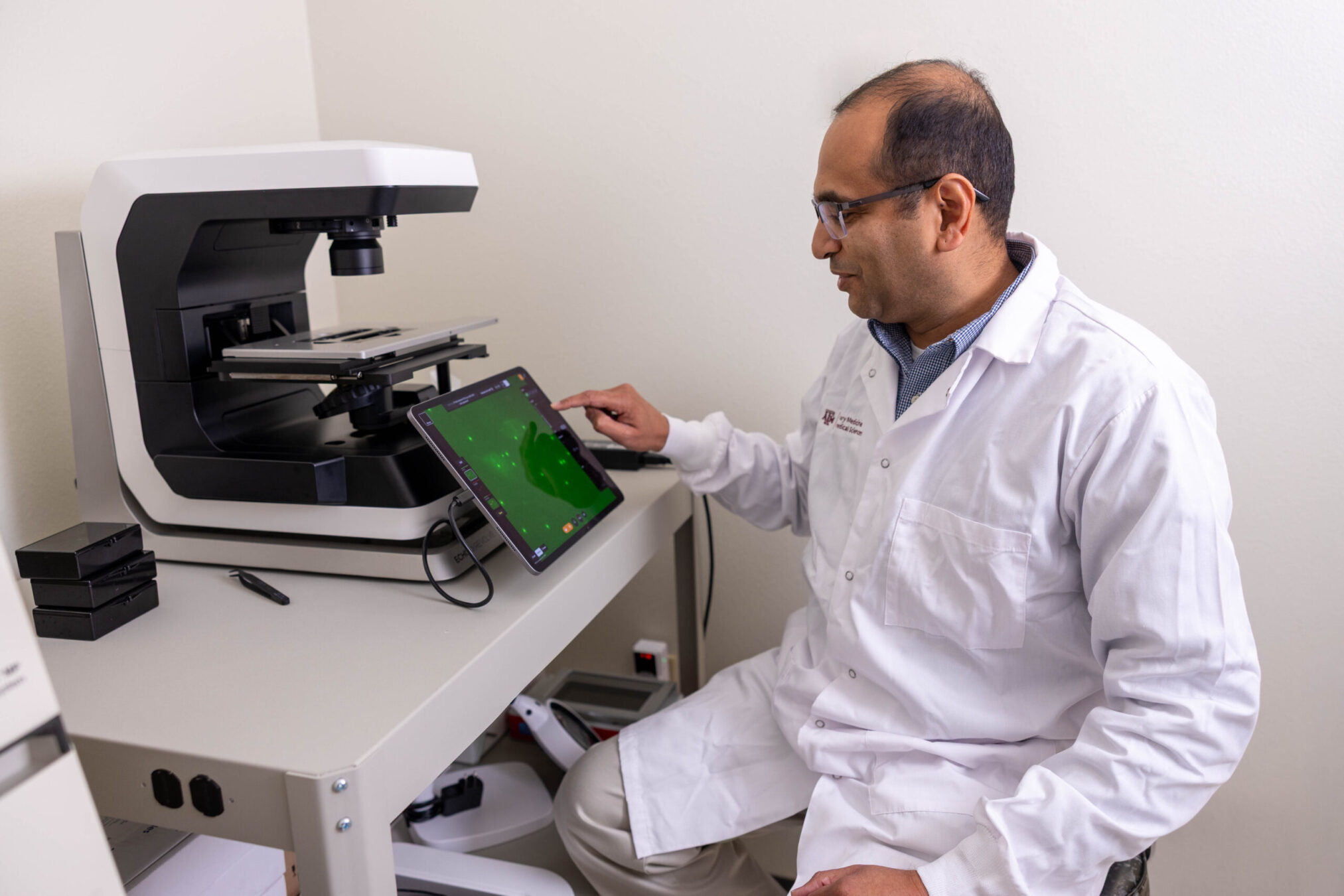
Dr. Adi Joshi and his research team at Texas A&M University are investigating MAP4K4 as a potential therapeutic target for metabolic dysfunction-associated steatohepatitis (MASH), a progressive form of fatty liver disease affecting millions. This condition is characterized by excess fat accumulation in the liver, leading to inflammation, tissue damage, fibrosis, cirrhosis, and possibly the need for a liver transplant. While the first medications for MASH have recently been approved, they are limited to patients with advanced disease and often come with significant side effects.
Read More
Recent findings from the Texas A&M College of Veterinary Medicine and Biomedical Sciences highlight an experimental compound that may reduce fat buildup, inflammation, liver injury, and scarring in preclinical models, suggesting a new therapeutic pathway. Dr. Joshi stated, “We have shown in our preclinical model that targeting the MAP4K4 pathway attenuates all of the major hallmarks of MASH.” This research could lead to a viable treatment option for patients with limited current therapies.
Rather than relying on traditional targets, Joshi’s team focused on MAP4K4, a protein that regulates several biological pathways. Their research showed that levels of MAP4K4 rise as MASH progresses, making it a significant target for therapy. Collaborating with the University of Oklahoma, they tested the small-molecule inhibitor GPPD, which selectively blocks MAP4K4’s activity without reducing its expression. This approach aims to preserve normal protein function while alleviating disease impacts.
In experiments, GPPD demonstrated improvements across various MASH characteristics, including fat accumulation, inflammation, liver injury, and fibrosis. Most therapies typically focus on a singular aspect of the disease; however, this multifaceted approach is vital given MASH's complexity, which involves multiple interrelated biological processes.
Additionally, the team discovered a previously unrecognized signaling pathway linked to MAP4K4’s role in disease progression, which could guide future research in finding new therapeutic targets. The experimental therapy also exhibited an encouraging safety profile during preclinical tests, with no significant toxicity observed. Before human trials can commence, researchers are completing pharmacokinetic studies to understand how the compound is absorbed and processed in the body, helping to establish safe and effective dosing regimens.
If ongoing studies yield positive results, Joshi believes this therapy could offer hope for patients experiencing MASH progression, emphasizing the importance of identifying novel targets for this condition. He stated, “If the clinical work is successful, I think it will really give hope to millions of patients living with this condition.”
For more information, refer to the article in JHEP Reports: A novel pharmacological inhibitor of MAP4K4 activity attenuates metabolic dysfunction-associated steatohepatitis.