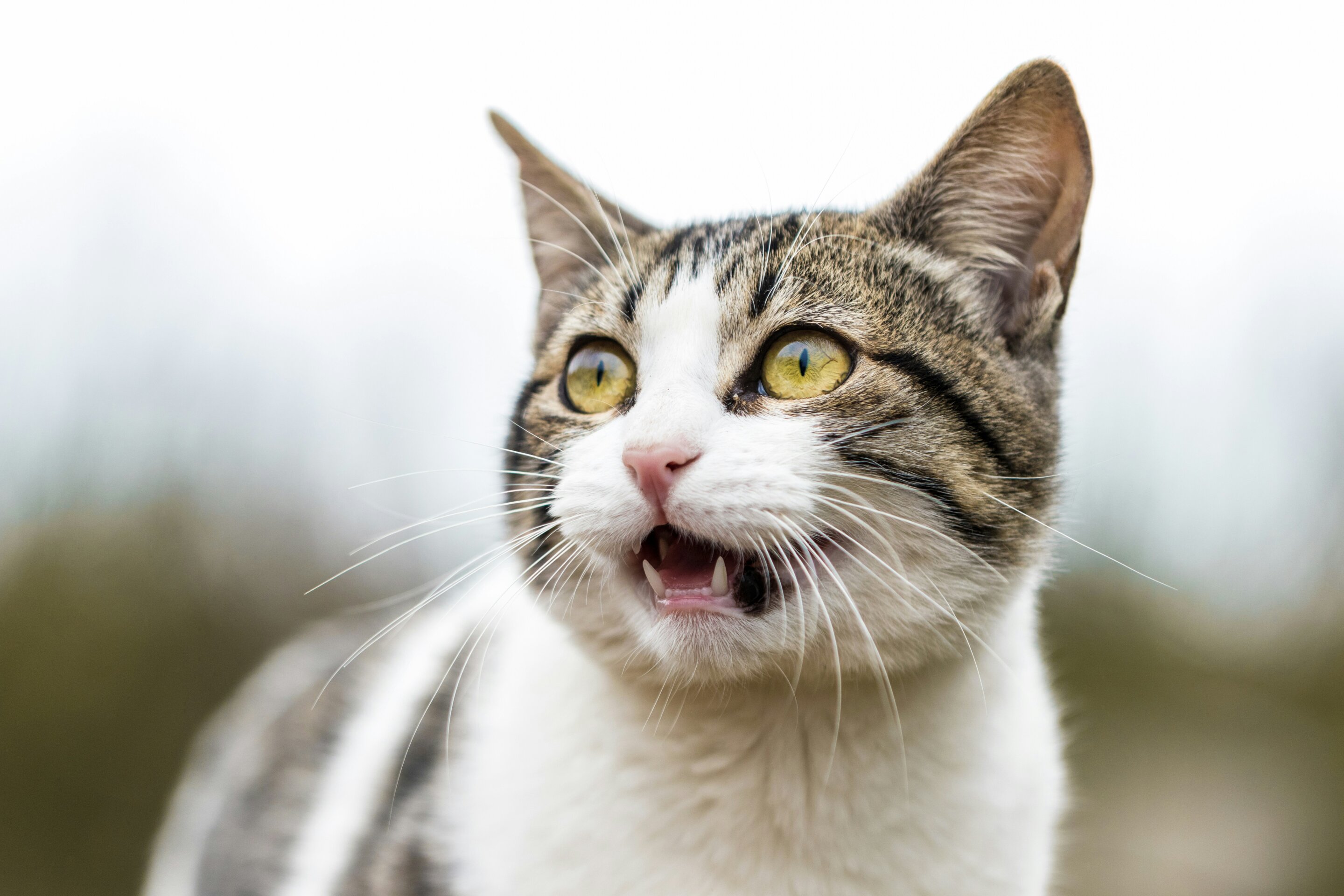
Research published in the journal Ethology reveals that domestic cats meow more frequently when welcoming male caregivers compared to female caregivers. This study, conducted by Yasemin Salgirli Demirbas and her team at Ankara University, involved observing 31 cats in their home environments alongside their primary caregivers.
Read More
Using chest-mounted cameras, caregivers recorded the initial minutes of their return home, while the research team analyzed the first 100 seconds of each tape to identify 22 specific behaviors, including vocalizations and interactions like head-rubbing. The analysis indicated a clear trend: cats vocalized more—averaging 4.3 meows—when greeting men versus 1.8 meows for women, irrespective of the cat's age, breed, sex, or household size.
The researchers suggest that this difference in vocalization may stem from observational behaviors, as male caregivers often interact less verbally with their cats than female caregivers, prompting cats to adjust their communication strategies to garner more attention.
Additionally, the study found that cats exhibit various forms of communication, using both friendly behaviors, such as tail postures and physical closeness, and coping mechanisms like yawning and stretching. This suggests that a cat's greeting encompasses both desires for connection and expressions of relief when their caregiver returns.
While these findings shed light on the complexities of cat communication, the researchers note the need for further studies across diverse populations to determine if these gender-based differences in vocalization hold globally.