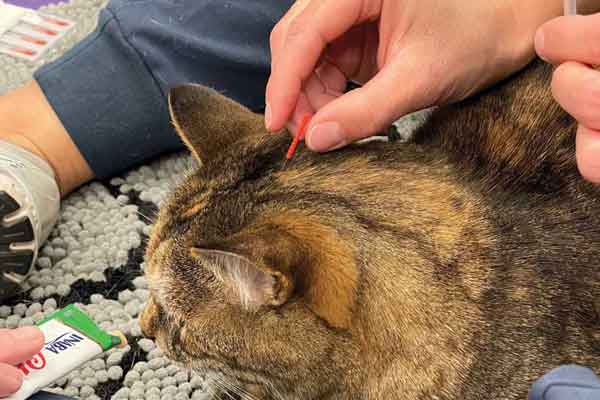
Veterinary professionals are increasingly adopting integrative methods for the care of senior cats, drawing parallels from human integrative geriatrics practices. This approach emphasizes patient-centered, non-pharmacological treatments rather than the traditional reliance on medications and invasive procedures.
Read More
Research suggests that current geriatric care often overuses medications while underutilizing lower-cost, non-invasive options. Integrative geriatrics emphasizes lifestyle modifications such as nutrition, physical activity, and mind-body techniques, allowing for healthcare pathways that prioritize non-invasive methods until more aggressive treatments are necessary.
The National Institutes of Health's National Center for Complementary and Integrative Health defines integrative health as a blend of conventional and complementary medicine, focusing on holistic treatment rather than targeting specific organ systems. This method is particularly beneficial for elderly cats, given the risks of long-term medication therapies and their general aversion to being medicated.
Strategies that cats find appealing foster better relationships between pets and their owners, as well as with veterinary staff. A multimodal approach to addressing issues like mobility, chronic pain, and diseases in older cats provides clients with flexibility in exploring and determining the most effective treatments.
For instance, cats suffering from arthritis may start with sessions of medical acupuncture, massage, and laser therapy, supplemented by advice on home care to enhance comfort. Options might also include renting low-powered laser devices or purchasing affordable hand-held units. Additionally, pet owners might integrate PEMF devices and supportive equipment such as heated beds or ramps to accommodate their senior cats' evolving needs.
Regular maintenance treatments allow veterinarians to reassess and adjust the integrative strategies as needed. Understanding the principles behind integrative medicine is crucial for practitioners. Clear communication about how these therapies work, grounded in scientific research, enhances acceptance among clients.
For example, acupuncture's effectiveness has been established through decades of research, showing it positively influences the nervous system and connective tissues. It helps alleviate pain by reducing central and peripheral nervous system sensitization, promoting better circulation, immune function, and overall quality of life for cats.
In conjunction with acupuncture, many veterinarians use photomedicine techniques, which involve light-based therapies to promote healing, alleviate pain, and reduce inflammation. Integrative therapies like these are increasingly recommended for conditions such as osteoarthritis and other issues in senior cats. While laser therapy is generally well-tolerated, caution is advised to avoid potential side effects from high-power devices.
Massage also plays a role in integrative veterinary care, with historical usage among veterinarians for its therapeutic benefits. While direct research on feline massage is limited, the benefits for elderly humans provide a parallel that can encourage similar approaches for cats. Simple actions like gentle brushing can contribute positively to their comfort and well-being.
Lastly, PEMF therapy offers another non-invasive method for managing pain and encouraging healing in senior cats, as it allows treatment without direct contact. However, it's essential for pet owners to observe their cats’ preferences, ensuring they can move away from the therapy if desired.
Dr. Narda Robinson, a veterinary practitioner specializing in integrative approaches, emphasizes the importance of educating clients on these modalities to improve the care of senior cats.