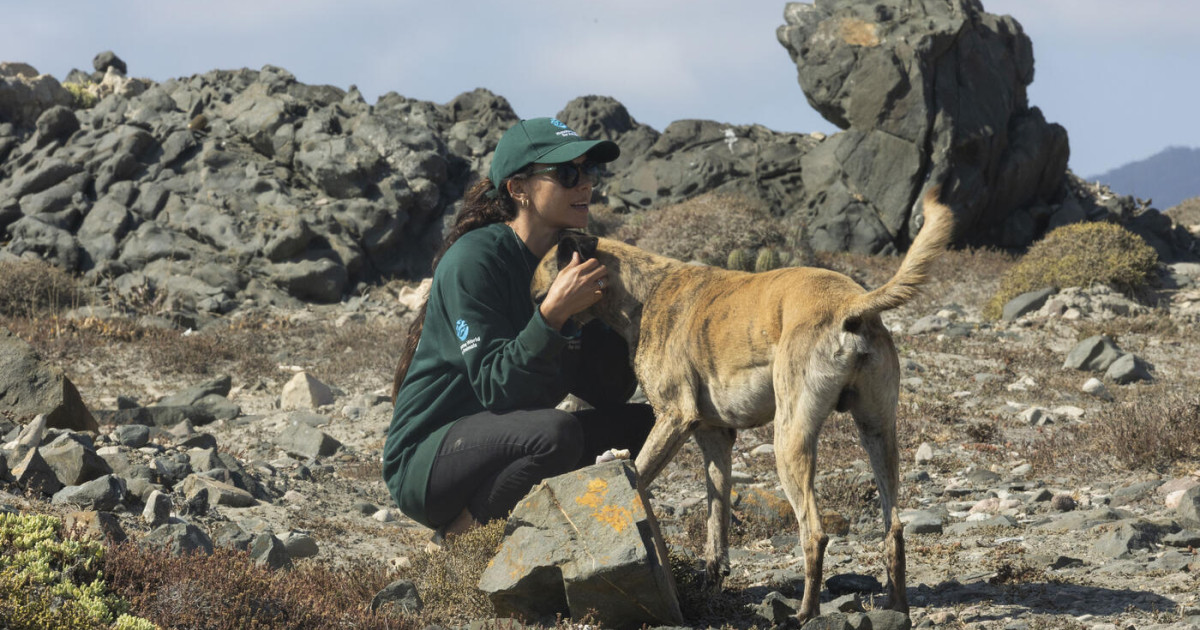
The World Health Organization has declared Chile the first country in South America to eliminate dog-transmitted rabies as a public health issue. This recognition highlights the importance of ongoing efforts in animal healthcare, particularly through programs like mobile veterinary clinics operating in remote regions with limited service access.
Read More
Chile hosts an estimated 4 million free-roaming dogs and cats. Many of these animals are adored by their communities, yet they often lack dedicated caregivers, which compromises their access to essential veterinary care, including rabies vaccinations.
To address these challenges, mobile veterinary teams have been delivering free services directly to underserved communities. Since 2024, these efforts have led to the sterilization of 2,482 animals, the administration of 5,267 rabies vaccinations, and 6,195 other veterinary treatments such as parasite control and microchipping, benefiting nearly 8,000 companion animals in a short timeframe. The initiative has shown consistent growth, with 2026 already indicating robust activity.
However, the elimination of dog-transmitted rabies does not eliminate all risks. Rabies remains present among bats in Chile, and animal movement across borders poses a risk of reintroduction. Sustaining this achievement will require continued vigilance, high vaccination rates, a capacity for rapid response, and well-established local networks connecting communities with public health and veterinary services.
Most epidemiological risks are found in isolated rural communities, where access to care is often scarce. Many animals remain unvaccinated, leading to growing populations of free-roaming dogs and cats. This underscores the importance of vaccination and sterilization in ongoing veterinary work.
Educational outreach is also a critical component of these services. During interventions, veterinary teams engage with community members about animal care, vaccination, dog behavior, responsible guardianship, and safety measures following potential exposure to risks. This effort aims to empower communities in their ability to care for animals over time.
Prior to implementing a clinic, assessments help the teams understand local needs, practices, and barriers to care. This evidence shapes intervention design to meet the priorities identified by community residents.
Building sustainable care networks involves collaboration with municipalities, regional authorities, grassroots organizations, and volunteers. For instance, in the Coquimbo region, veterinary services have seen engagement from local governments, students, and veterinary professionals who support service delivery and community building.
Training future veterinarians is also a focus. Veterinary students gain supervised field experience that integrates clinical skills with an awareness of social issues impacting animal health, better preparing them for equitable animal health systems throughout their careers.
The model promotes a One Health/One Welfare approach, linking animal and human health through coordinated actions and community engagement.
Chile's elimination of rabies reflects a commitment to equitable access to animal care. While many in remote and underserved areas are passionate about animal welfare, access to services should not depend on geography or financial resources. It is essential to bridge these gaps to maintain public health achievements.
Looking forward, while celebrating this significant milestone, stakeholders acknowledge that current services rely on collaborative efforts that require long-term state support for sustainability. The success of eliminating dog-transmitted rabies stems from decades of public health initiatives and cooperative actions, emphasizing the need for continued teamwork in reaching under-served communities. Daniela Benavides Sanchez is the country director for Humane World for Animals Chile.