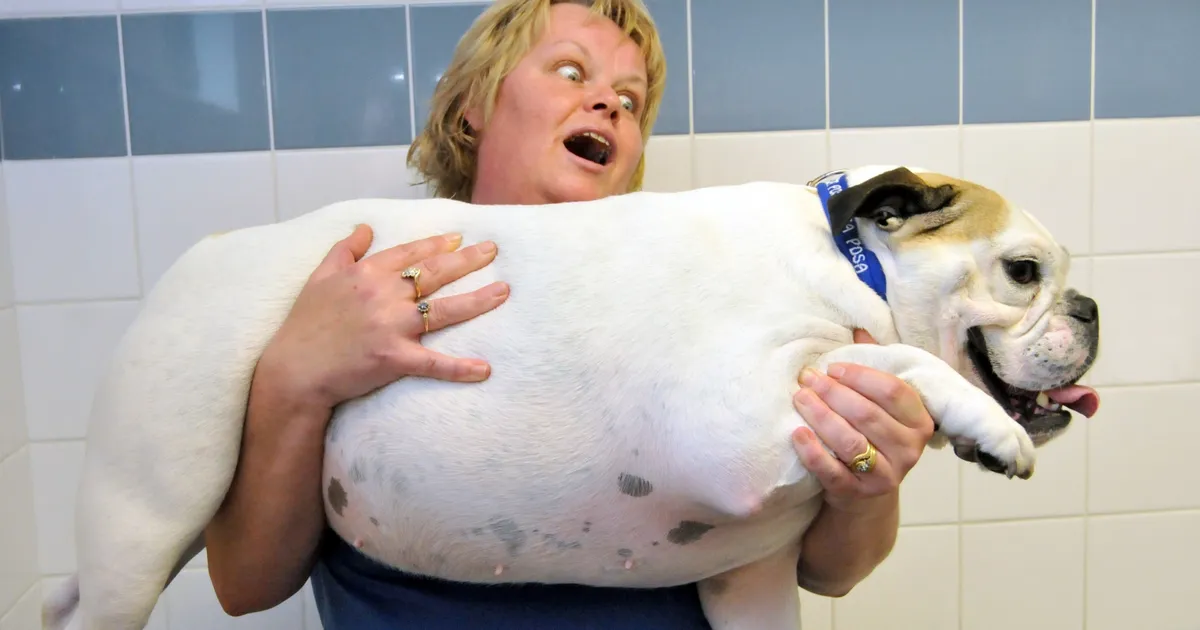
Research by the PDSA reveals that four out of five veterinarians have observed an increase in obese pets over the last two years. The charity’s latest Animal Wellbeing Report warns that 80% of vets and veterinary nurses fear that, within the next five years, the number of overweight pets could surpass those at a healthy weight.
Read More
In Wales, over half of pet owners are reported to routinely feed their pets high-calorie treats such as crisps, cake, and takeaways, which contributes to the rising obesity rates among animals. A survey conducted by YouGov, involving 1,069 pet owners and 572 vets, indicates that dog owners are more likely than cat owners to give unhealthy snacks, with 83% of dog owners admitting to this practice compared to 38% of cat owners.
Nicola Martin, head of pet health and welfare at PDSA, stated that pet obesity is a growing problem, exacerbated by inappropriate feeding habits and insufficient exercise. Martin emphasized the importance of understanding that while pets may beg for treats, giving in could ultimately harm their health.
The PDSA estimates that more than six million dogs in the UK receive only an hour of exercise per day, which can lead to serious health issues, including shorter life expectancy, heart disease, cancer, and diabetes.
As part of their effort to combat this trend, the PDSA has launched its annual Pet Fit Club competition, which has been active since 2005. The initiative has helped 95 pets lose a total of over 60 stone (approximately 381 kg). Last year’s winner, a bulldog named Daisy, lost 8 kg, which was a quarter of her body weight, in just six months. This year’s competition is open for entries, including a Cardiff Labrador named Duke, who currently weighs 61 kg—over double the average weight for his breed.
Duke’s owner, Clint Attard, shared that his family often feels sorry for Duke when he begs for food, leading them to give him more. Additionally, he noted that his disabled mother is unable to take Duke out for walks often, contributing to his weight issue.
Another case highlighted is Spider, a Swansea rat who has reached 80% over his ideal weight. Owner Jan Burton described Spider as extremely food-driven, often competing with other rats for treats.
Dr. Philippa Yam from the University of Glasgow’s School of Veterinary Medicine mentioned that a lack of understanding regarding pets’ welfare needs continues to contribute to the obesity crisis among animals.