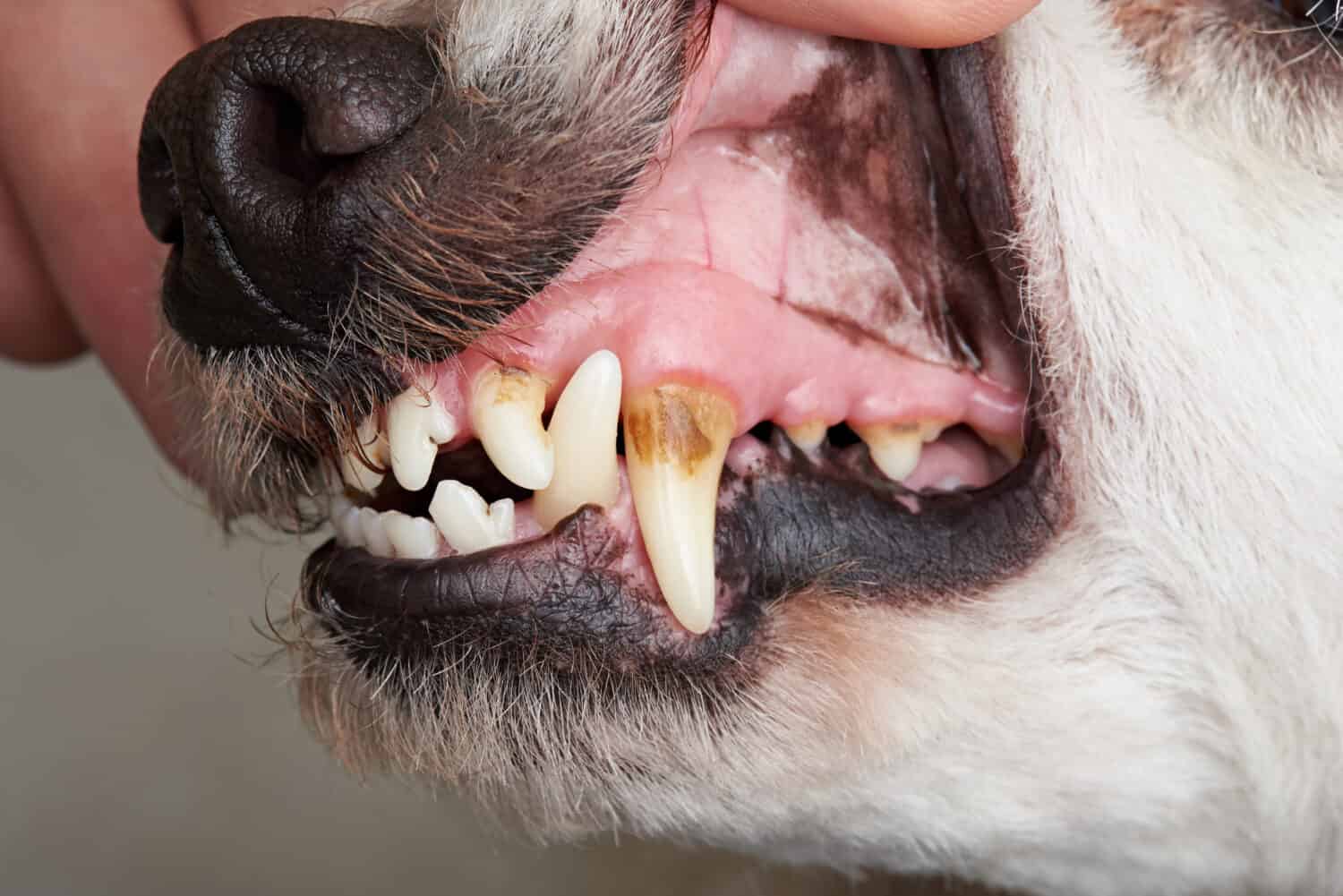
A significant number of dogs suffer from dental disease by the age of three, often without displaying obvious signs to their owners. According to Briana Mirchel, DVM, a veterinarian at Dentistry and Oral Surgery for Animals in San Marcos, California, dogs possess a strong instinct to mask pain, which can lead to a false appearance of normalcy even when they are in chronic oral discomfort.
Read More
Commonly, bad breath in dogs is not just a cosmetic issue; it often indicates underlying dental disease. Dr. Mirchel explains that the odor typically stems from bacteria accumulating below the gumline, causing periodontal disease that can lead to pain, bleeding gums, and potentially serious systemic health issues if left untreated. Bernadine Cruz, DVM, from pawTree Foods, highlights that by the time owners notice the smell, dental disease is likely already well advanced.
Ownership challenges include recognizing subtle signs of poor oral health, such as persistent bad breath, red or inflamed gums, yellow or brown tartar buildup on teeth, and difficulty in chewing. Dogs might still eat and act normally despite significant dental issues due to their instinctual drive for survival, further complicating timely diagnosis and treatment.
Certain breeds, especially smaller ones like Chihuahuas and larger ones like Greyhounds, are more susceptible to dental diseases due to genetic and anatomical factors. Professional dental cleanings, conducted under anesthesia, are recommended as the most effective means to assess and treat dental disease. Routine cleanings help ensure the health of your dog’s mouth by addressing issues that are often undetectable outside a clinical setting.
Dr. Mirchel emphasizes that brushing your dog's teeth regularly, using veterinarian-approved dental chews, and avoiding certain hard toys that can fracture teeth are essential preventive measures.
Overall, bad breath should never be overlooked. It often signals a need for closer examination by a veterinarian to address potential health issues in dogs. Maintaining good oral hygiene is largely preventable, and with careful attention to dental health, pet owners can improve their dogs' quality of life.