By Cheryl Lock
Read More
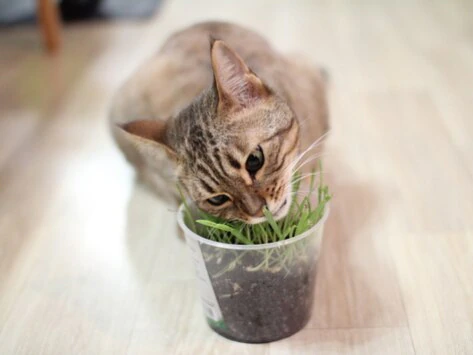
Cats often enjoy a variety of foods, but they may also appreciate munching on some green grass. This is where cat grass can be beneficial. Mark Waldrop, DVM, from the Nashville Cat Clinic, describes it as a source of micronutrients for cats, adding insoluble fiber that can help reduce hairballs and provide environmental enrichment.
Cat grass is generally a blend of oat, rye, barley, and wheat grasses, distinct from catnip. The Humane Society cautions that when growing cat grass indoors, it’s crucial to keep it separate from other potentially toxic plants and flowers that cats might mistake for their grass.
To grow your own cat grass, you don’t need extensive gardening skills. According to Waldrop, simply place the seeds in soil and water them. Keep the soil moist, and within about ten days, it will be ready for your cat. Using a low, heavy container can help prevent it from being easily toppled.
To ensure a successful growth, the Humane Society suggests:
- Fill a heavy container three-quarters full with loose potting soil and sprinkle seeds evenly on top, then cover them with about a quarter-inch of soil.
- Loosely cover the container with plastic wrap and place it in a room-temperature spot away from direct sunlight. Keep the soil moist using a spray bottle.
- Once sprouts appear in a few days, remove the plastic wrap and relocate the pot to a sunny area, continuing to water as needed. It’s best to offer the grass to your cat when it’s about 3 to 4 inches tall.
- As the grass wilts within a few weeks, remove the old shoots and plant new seeds to maintain a steady supply for your cat.
Waldrop recommends alfalfa grass for its potential benefits in preventing and treating kidney disease, and oat grass is another excellent option as it aids digestion and is rich in nutrients including protein, soluble fiber, and essential vitamins.
For any dietary concerns regarding your pet, consultation with a veterinarian is advised.
While indoor cat grass is a safe treat to monitor, be aware of potential mold growth in the plants, especially with overwatering. Waldrop suggests starting a new batch if mold develops. Typically, cats will only nibble the tops of the grass, so with proper watering, it should regrow for some time. However, if a cat frequently eats large amounts of the grass, consult a veterinarian to evaluate the cat’s diet.