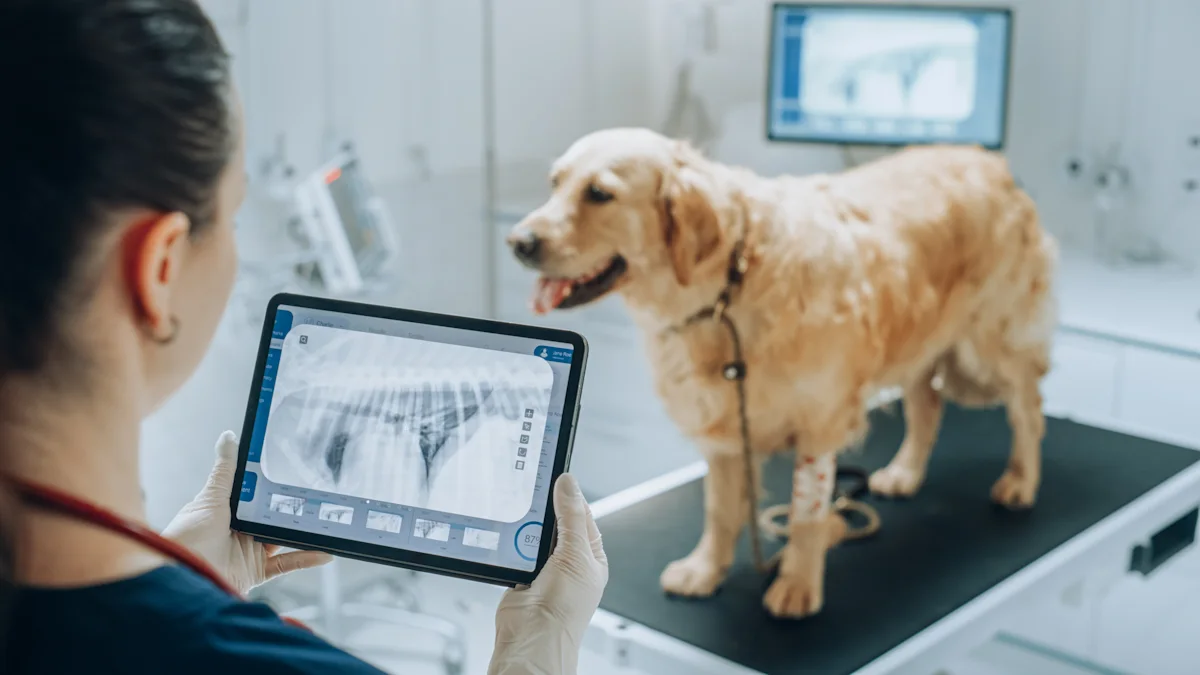
Artificial intelligence (AI) is increasingly becoming a part of veterinary care, influencing everything from radiograph analysis to medical record keeping. Dr. Michael Q. Bailey, a board-certified veterinary radiologist and former president of the American Veterinary Medical Association, discussed the current and future impact of AI on pet health during an interview.
Read More
Dr. Bailey explained that AI is enhancing the veterinary field by enabling better diagnosis and improved patient care. AI tools assist veterinarians by flagging potential health concerns in diagnostic images, which allows for earlier interventions. He highlighted that AI is capable of predicting chronic diseases such as arthritis and diabetes before symptoms present, thereby providing veterinarians with the foresight to manage these conditions proactively.
A notable advance mentioned was the use of precision medicine, which tailors cancer treatments for dogs based on AI models that identify the most effective medications for individual cases. The Morris Animal Foundation reported that federal research grants related to AI in veterinary medicine have increased tenfold since 2019, underscoring the rapid developments in this area.
Despite these advancements, Dr. Bailey emphasized that AI should not replace the expertise and empathy of veterinary professionals. "AI is a powerful tool, but the veterinarian's judgment and compassion remain vital to the care process," he stated. He reinforced the importance of having a human involved in interpreting AI findings.
In the field of radiology, Dr. Bailey noted that AI can identify subtle changes in diagnostic images faster than trained vets, potentially allowing for earlier treatment. Independent studies have shown that AI systems can achieve high levels of accuracy in detecting fractures, indicating their reliability alongside human expertise.
Wearable technology for pets, such as smart collars, is another area where AI can provide valuable data. These devices can monitor heart rates, activity levels, and specific behaviors, which can assist veterinarians in delivering personalized care. However, the accuracy of these devices must be validated for their intended use.
AI is also streamlining administrative tasks in veterinary practices. Dr. Bailey mentioned innovations such as AI scribes and voice-to-text technology that allow veterinarians to focus more on patient care rather than paperwork. Many clinics now utilize practice information management systems which improve operational efficiency and enhance patient outcomes.
Nonetheless, Dr. Bailey acknowledged the limitations of AI technology. Hands-on examinations and other physical assessments remain irreplaceable. He referenced an IBM adage regarding the accountability of computers to stress that, ultimately, veterinary professionals must make care decisions based on their expertise.
Telehealth is growing within veterinary medicine, enabling consultations and follow-up care remotely. However, establishing a veterinarian-client-patient relationship remains critical, often necessitating an in-person examination before virtual care can be applied.
When considering a new veterinary practice, Dr. Bailey advised pet owners to prioritize the people providing care rather than solely focusing on technological capabilities. That said, the use of AI and other resources does play a role in the quality of services offered.
Looking ahead, Dr. Bailey expects continued advancements in AI within veterinary medicine, though he cautioned that the quality of AI systems is directly tied to the data used to develop them. The complexity of treating multiple animal species presents unique challenges compared to human healthcare.
In conclusion, Dr. Bailey affirmed that AI is contributing positively to veterinary care, allowing veterinarians to spend more time with pets and their owners while enhancing diagnostic accuracy and efficiency. However, he stressed the necessity of maintaining human oversight and care in veterinary practices.