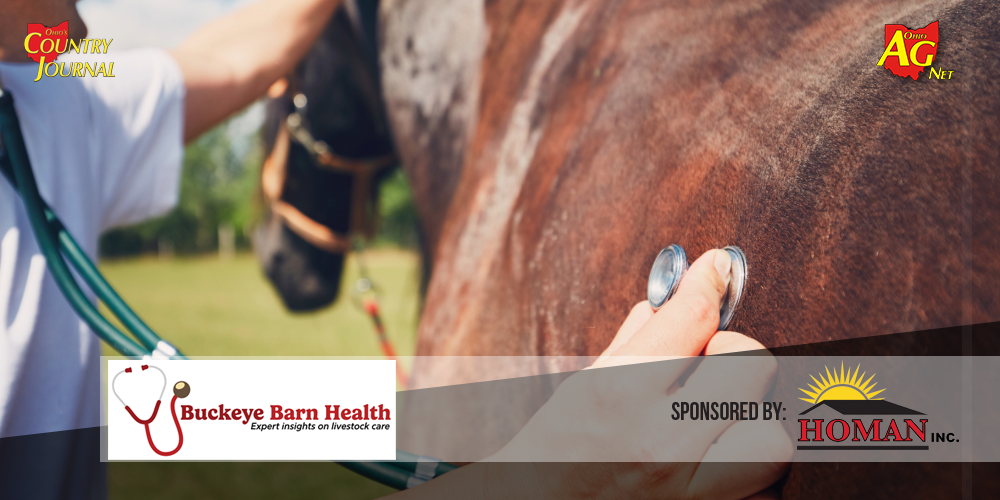
Veterinarian Kevin J. Jacque, DVM, has noted an increasing sentiment among clients that veterinarians are less accessible and less committed than in past decades. Many express frustration over the lack of farm animal veterinary services, suggesting veterinarians either don’t want to come or no longer care about their clients.
Read More
The landscape of veterinary care for farm animals has shifted significantly in Ohio and beyond. Currently, most veterinarians working with farm animals are mixed-animal practitioners. Their time is divided between farm calls and treating household pets, often resulting in a demanding schedule that includes diverse cases, from emergency surgeries to routine check-ups.
Historically, farm owners had more livestock, with numerous clients managing sizable herds of dairy cows, pigs, and chickens. Today, while there are fewer dairy farms, the remaining ones manage larger herds, paralleling a rise in pet ownership and the importance of household animals as family members.
Veterinarians today face increased pressures from high caseloads in small animal practice. Despite the profitability of farm animal medicine, it can be challenging to maintain a balanced clientele, especially in areas where farm practices are declining. As an academic and former private practitioner, Jacque emphasizes the need for a better understanding of the veterinary field and the relationships involved.
He asserts that clients must recognize the value of establishing long-term relationships with their veterinarians. Just as one wouldn't expect to know a family member after infrequent visits, consistency in veterinary visits is crucial for effective animal health management. Engaging with professional veterinary services provides benefits that social media groups cannot match, especially in emergencies.
Veterinarians, he adds, need to clarify their roles and contributions. Many are dedicated to enhancing productivity and health in livestock, rather than merely pushing products. It’s important for producers to understand what their veterinarian can provide, which is personalized advice tailored to specific needs.
Furthermore, the struggle for smaller clinics to compete with large pharmaceutical companies and online distributors has intensified. The so-called “Walmart” and “Amazon” effects have shifted the market dynamics, making it difficult for independent veterinary practices to offer competitive pricing on medications. Some veterinarians are adapting by developing their own online pharmacies, while others continue to grapple with pricing challenges.
As veterinary practices navigate these evolving challenges, Jacque raises an essential question about the future of the profession in an increasingly computerized world. He warns that reliance on AI and automation could diminish the personal relationships and critical thinking that are vital to veterinary practices.
Reflecting on his grandfather's metaphor of the four bones essential to a farmer—backbone, funny bone, head bone, and wishbone—Jacque emphasizes the importance of fostering meaningful relationships in veterinary care while being mindful of the future's potential impacts.