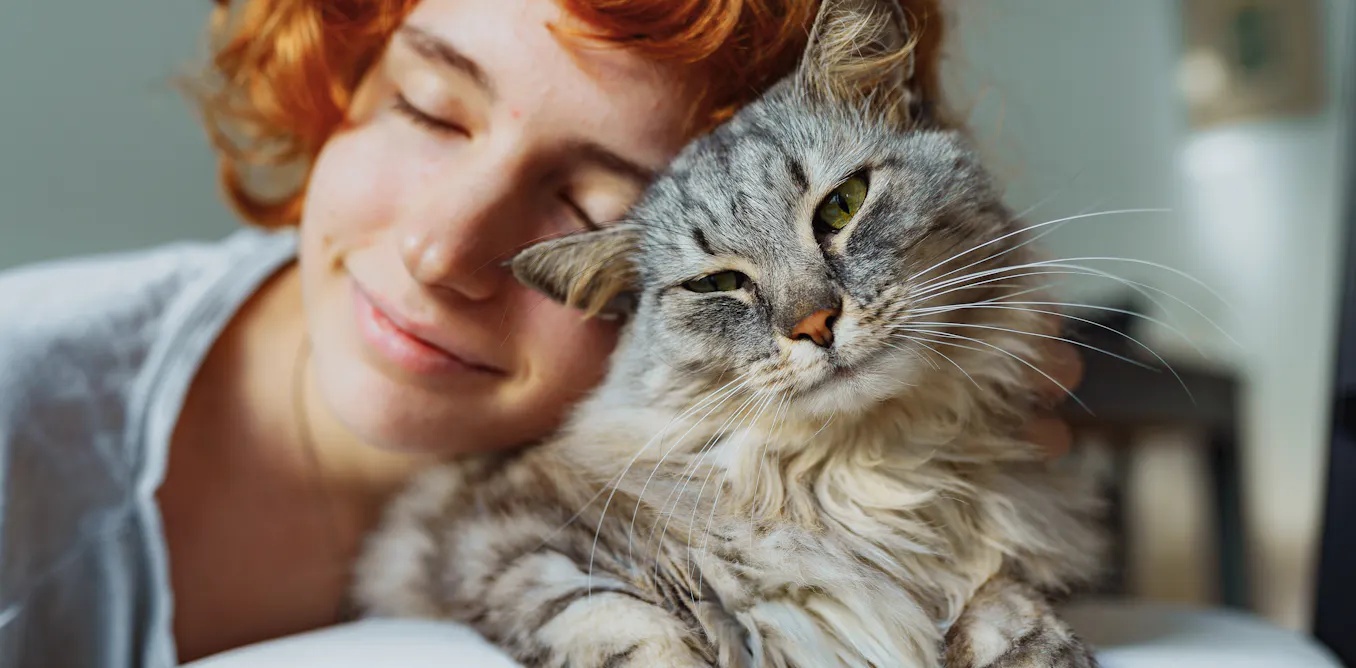
Many cat owners are unaware that, similar to humans, cats can experience dementia. A recent study highlights parallels between dementia in felines and humans, noting that cognitive decline can manifest in comparable ways.
Read More
Feline cognitive dysfunction syndrome, commonly referred to as feline dementia, represents an age-related decline in a cat’s mental abilities. This condition is marked by behavioral changes not attributable to other medical issues.
Feline dementia is believed to be widespread among older cats. Research indicates that over 50% of cats show signs of dementia by the age of 15. However, some behaviors associated with the condition have been observed in cats as young as seven. A survey revealed that approximately 28% of cats aged 11 to 14 exhibited at least one behavioral change tied to dementia.
Behavioral changes often serve as the initial warning signs of the condition. Here are eight indicators that may suggest your cat is experiencing dementia:
1. Unusual vocalization: Cats may vocally express themselves excessively or differently, often meowing loudly at night.
2. Altered interactions: Affected cats might seek more attention or become clingy. Conversely, they may interact less than before, appear irritable, or fail to recognize familiar individuals.
3. Sleep changes: Cats may exhibit altered sleep patterns, becoming restless at night while sleeping more during the day.
4. House soiling: Changes in toilet habits, such as urinating outside the litter box, can suggest dementia.
5. Disorientation: Similar to humans with dementia, cats might display confusion or exhibit wandering behavior, which can include staring blankly at walls or getting stuck in tight spaces.
6. Changes in activity levels: Affected cats may show either increased or decreased activity, playing less or grooming themselves less frequently.
7. Appearing anxious: Cats with dementia may act anxious around familiar stimuli, leading them to hide more often.
8. Learning problems: Those with dementia might struggle with previously learned tasks, like locating their food bowl, and may find it harder to learn new skills.
Caring for a cat with dementia requires awareness. Many symptoms overlap with other common conditions, such as arthritis and kidney disease. Therefore, it’s essential to consult a veterinarian to rule out other medical issues.
Research on feline dementia is still developing, drawing much from studies on humans and dogs. As with those species, there is no cure for dementia in cats, but strategies exist to mitigate its effects.
Certain environmental changes can stimulate cats cognitively, promoting brain activation and nerve growth. For healthy or mildly affected cats, engaging them in play or using interactive toys may slow the progression of cognitive dysfunction. However, for severely impaired cats, altering their surroundings may increase confusion and anxiety.
Dietary modifications, particularly the addition of antioxidant supplements like vitamins E and C, along with essential fatty acids, may help reduce brain inflammation and slow disease progression. It is crucial to offer only cat-specific supplements, as dog supplements may contain harmful substances.
Feline dementia is a common yet difficult condition to manage. Recognizing its symptoms can lead to earlier diagnosis and allow owners to make necessary adjustments to enhance their cat's quality of life.