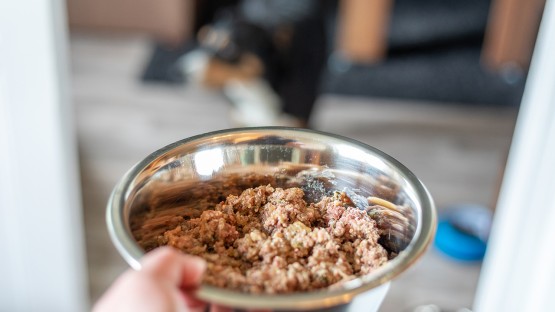
Research from the Department of Clinical Sciences at Cornell's College of Veterinary Medicine indicates that dietary restrictions in dogs suffering from chronic gastrointestinal diseases can alleviate symptoms. This condition, known as chronic enteropathy (CE), encompasses gastrointestinal disorders lasting three weeks or more.
Read More
Kenneth Simpson, professor of small animal medicine and co-author of the study published on September 7 in the Journal of Veterinary Internal Medicine, discusses how the findings challenge previous assumptions about food intolerance in dogs with CE, which had primarily focused on immune responses to dietary antigens.
Dogs exhibiting symptoms of CE, including diarrhea, vomiting, and weight loss, often show improvement with dietary changes, yet the reasons for this success are not well understood. To investigate further, Simpson and his team conducted a randomized, controlled study, supported by Farmina Pet Foods, involving dogs diagnosed with CE.
The study assigned participating dogs to one of three diets, each with similar caloric and macronutrient content: two hypoallergenic diets containing hydrolyzed fish proteins and one with fewer ingredients than typical commercial foods. Neither the dog owners nor the researchers knew which diet the dogs were receiving.
Surprisingly, all dogs improved on their new diets, regardless of group assignment. Out of the 23 dogs enrolled, 19 experienced a positive response, with decreased disease activity and improved stool quality. The remaining four dogs switched to a different diet and also improved during the study period.
The findings indicated that the dogs with chronic enteropathy entered lasting remission, with their positive responses being independent of whether their diet was hydrolyzed or not, and irrespective of prior exposure to suspected dietary antigens. Additionally, eight dogs suffering from protein-losing enteropathy (PLE) were fed hydrolyzed diets; seven gained weight and maintained remission of gastrointestinal symptoms, with two achieving remission solely through dietary changes.
These results challenge the prevailing view that CE is primarily driven by adverse reactions to specific dietary components previously ingested. However, the researchers are uncertain about what factors led to the dogs' previous gastrointestinal issues. They speculate that dogs may have previously failed to respond to diets due to owner non-compliance or inconsistencies in commercial pet food labeling.
The structured nature of the current study and regular follow-ups may have helped owners adhere strictly to dietary guidelines, avoiding unauthorized treats. Simpson suggests that multiple dietary trials should be conducted for dogs with CE or PLE before considering more invasive treatments like antibiotics or immunosuppressants, as a single diet trial may not suffice in identifying the best nutritional approach.