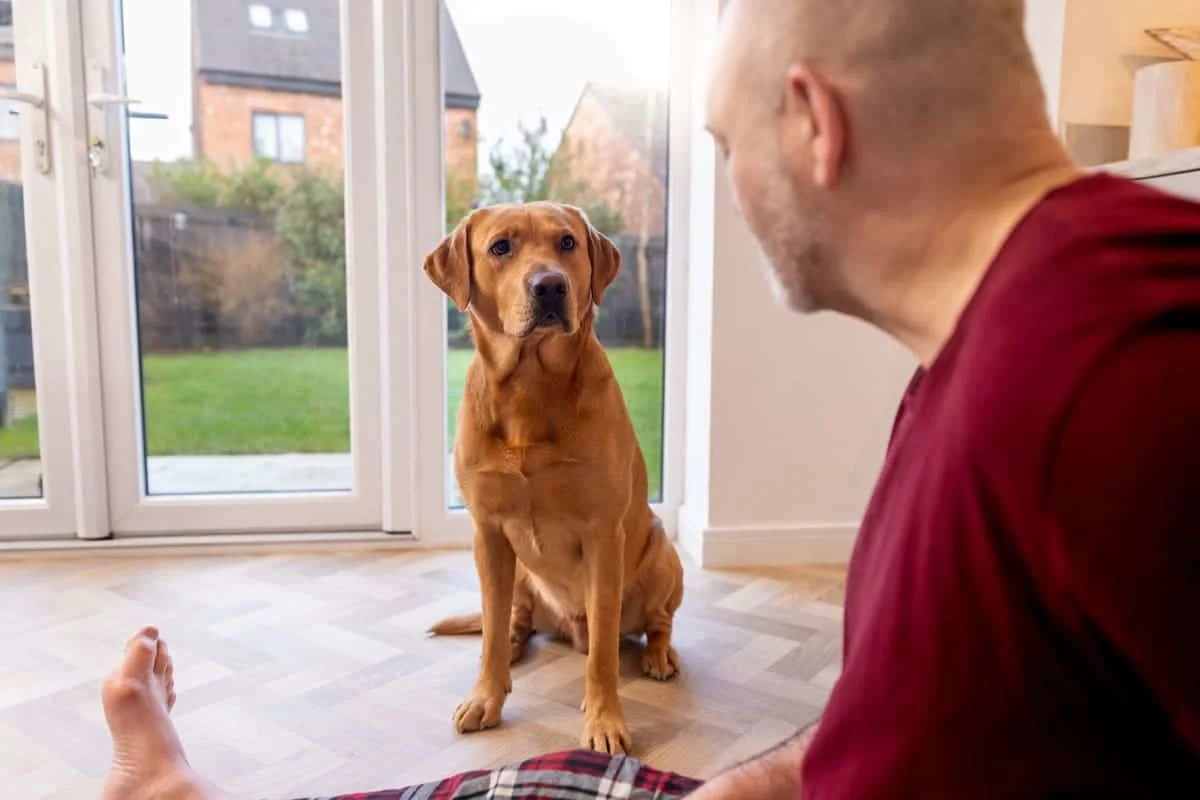
A recent study in BMC Biology highlights that a dog's approach to seeking help can reveal important aspects of its intelligence, suggesting the behavior is influenced by more than just breed. Researchers, including Csenge Anna Lugosi, Izabella Viktória Molnár, and Péter Pongrácz from Eötvös Loránd University in Budapest, conducted tests involving 137 purebred dogs of 49 breeds to assess their responses when faced with an unsolvable task—a treat placed in a sealed box.
Read More
In the test, dogs had the option to either work independently on accessing the treat or to seek help by looking back at their owner. The study found that three key factors determined how quickly dogs sought assistance: the breed's purpose, the dog's lineage, and its living conditions. Breeds that were historically developed for close collaboration with humans, such as herding and sled dogs, were more likely to turn to their owners for help compared to breeds like livestock guardians that were bred for independent work.
Additionally, dogs from show lines tended to look for help more often and exhibited more signs of anxiety when their owners were not present compared to working-line dogs. Those engaged in regular activities also tried for longer to solve tasks before seeking assistance.
The findings resonate with other research, including a study from the University of Helsinki, which tested 1,002 Finnish dogs across 13 breeds using a variety of cognitive tasks. The study identified specific behavioral traits associated with each breed. For example, Belgian Malinois excelled in reading human gestures and detour tasks, while Golden Retrievers were noted for being the most people-oriented, frequently asking for help.
The study demonstrates that differences in behavior and intelligence can also evolve with practice. A previous study from the University of British Columbia showed that many dogs improved significantly in problem-solving abilities after repeated exposure to tasks.
While genetics plays a role in a dog's inclination to seek help, individual training and experiences are also crucial. Thus, a dog's propensity to look to its owner for guidance or attempt to solve problems independently reflects its unique background rather than an absolute measure of intelligence.