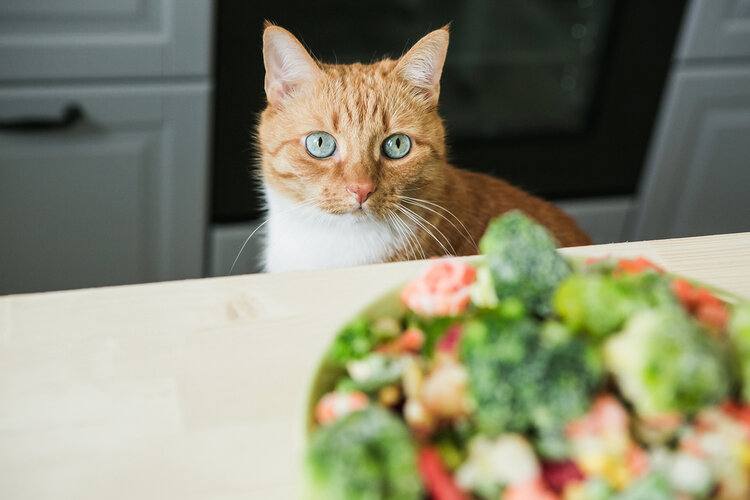
Choosing a vegan lifestyle is often rooted in personal beliefs, health reasons, or environmental concerns. While individuals can make dietary choices for themselves, cats depend entirely on their owners to make decisions about their nutrition. This sometimes leads vegans to face ethical dilemmas, as cats require animal-based foods that conflict with vegan principles.
Read More
Veterinary experts, including those from the ASPCA, emphasize that a vegan diet is inappropriate for cats. Cats are obligate carnivores, meaning they must consume meat to thrive. There are several essential nutrients found only in animal products that are crucial for feline health.
**Protein Needs**: Cats primarily derive energy from protein, which makes up a significant part of their natural diet. While plants can provide some protein, they lack the specific amino acids essential for cats. This is why meat is a necessity for their diet.
**Carbohydrate Digestion**: Cats have a limited ability to digest carbohydrates because their prey typically contains minimal carbohydrates. Their energy source primarily comes from proteins and fats instead.
**Essential Nutrients**: Key nutrients such as taurine, arachidonic acid, and vitamin A are crucial for cats but are exclusively found in animal-based foods. Taurine is particularly important, as a deficiency can lead to serious health issues like dilated cardiomyopathy (DCM), which can be fatal if untreated. Eye problems related to taurine deficiency, such as feline central retinal degeneration, are also common.
Arachidonic acid supports various bodily functions, including the inflammatory response, blood clotting, and skin health, while vitamin A is vital for numerous health processes. Supplementation of these nutrients in a vegan diet is complicated and can lead to toxicity if not carefully managed.
While dogs, as omnivores, can theoretically survive on a vegan diet with careful monitoring, it is not recommended and can still lead to deficiencies. Cats, being obligate carnivores, cannot meet their nutritional requirements without animal products. This fundamental difference underscores the need for meat in their diet.
In conclusion, cats require animal-based foods to maintain health and well-being. However, cat owners who are mindful of environmental concerns can opt for eco-friendly, ethically sourced cat food options, allowing them to align their values with their pet's dietary needs.