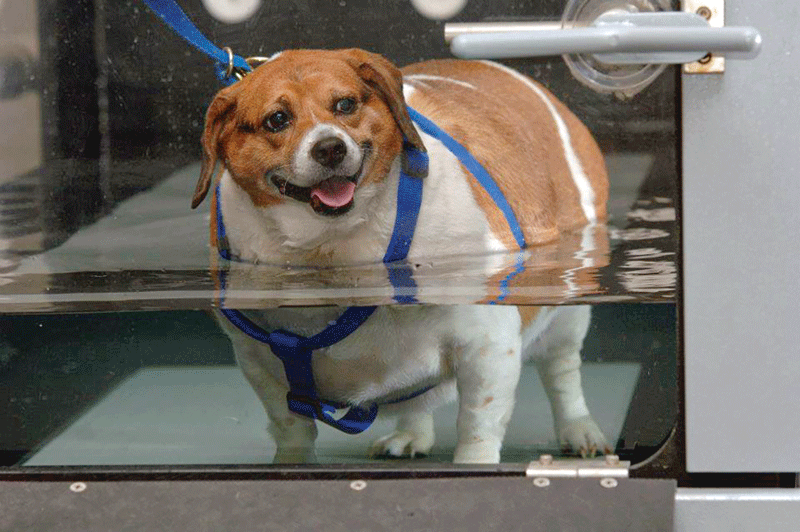
Kadie, a female German shepherd mix, began a weight-loss program at 113 pounds due to multiple ligament tears and the need for a hip replacement. By the end of her program, she achieved a weight of 80 pounds and could walk unassisted.
Read More
Obesity in the United States has reached concerning levels, with approximately 100 million adults classified as obese—defined as a Body Mass Index (BMI) of 30 or higher—according to the Centers for Disease Control and Prevention (CDC). Severe obesity, characterized by a BMI of 40 or more, affects about 22 million adults.
Pets are also facing rising obesity rates. The Association for Pet Obesity Prevention (APOP) estimates that 60 percent of dogs and cats in the U.S. are either overweight or obese. Addressing pet obesity requires educating owners on proper nutrition and the need for regular exercise. Researchers aim to improve this process with the development of glucagon-like peptide 1 (GLP-1) drugs, which function similarly to human weight-loss medications.
Dottie Laflamme, DVM, PhD, ACVIM (Nutrition), highlights the correlation between human obesity rates and those of pets, noting, "As people get fatter, our pets seem to get fatter, too."
The first prescription weight-loss drug for dogs, Slentrol (dirlotapide), was introduced by Pfizer Animal Health in 2007. It worked by reducing fat absorption and increasing feelings of fullness but was later withdrawn from the European market and discontinued in the U.S. due to administration challenges and lack of interest from pet owners.
Angela Rollins, DVM, PhD, DACVIM (Nutrition), explains that pet owners struggled with Slentrol because their dogs showed less interest in their food, leading to emotional distress in their bond with the animals.
Currently, OKAVA Pharmaceuticals, Inc. is developing a new weight-loss medication for pets. In 2021, the company published the results of a validation study for OKV-119, a mini long-term exenatide delivery system developed with Vivani Medical, Inc. The study confirmed the technology's effectiveness in cats, allowing for safe subcutaneous insertion during routine visits. According to OKAVA CEO Michael Klotsman, the implant offers a long-lasting solution with a single application lasting six months.
The initial focus is on cats, given the greater medical need and demand for weight-loss solutions in these animals compared to dogs. Klotsman believes the weight-loss mechanisms will eventually benefit dogs as well.
GLP-1 drugs are designed to treat type-2 diabetes in humans and have been found to aid in weight loss by suppressing hunger and slowing digestion. This mechanism appears to work similarly in pets.
In February, Better Choice announced its acquisition of Aimai Pet Healthco Inc. to develop its GLP-1 pet treat, investing up to $1.5 million in this effort.
Veterinarians utilize a qualitative nine-point body condition score to diagnose obesity in pets, where scores of 4 or 5 indicate a healthy weight, while scores of 7, 8, or 9 indicate varying degrees of obesity. APOP suggests that a healthy pet's ribs, spine, and hip bones should be easily felt and may be visible.
The leading causes of obesity in pets include excessive caloric intake and insufficient exercise, paralleling the lifestyle factors impacting human obesity. Laflamme emphasizes the need for more exercise, as many pets are predominantly indoors.
Health issues linked to obesity include heart disease, diabetes, joint problems, and even cancer. Rollins notes that obesity has detrimental effects on pets' quality of life and can reduce lifespan.
Dr. Angela Rollins reflects on her personal experiences with pet obesity, sharing the story of Mabel, a beagle she adopted who weighed 65 pounds when brought to her clinic. Over a year, Rollins helped Mabel lose 45 pounds through a therapeutic diet and exercise, significantly improving her quality of life.
Preventative measures are critical in managing pet obesity. Laflamme advises that veterinarians regularly perform body condition scores to intervene early. Many pet owners underestimate the caloric content of treats and the impact of letting cats graze on food throughout the day.
Rollins encourages enriching indoor activities for cats to promote physical activity, such as using toys that dispense food. The Indoor Pet Initiative at Ohio State University offers further resources to help keep housebound animals active.
Although obesity is recognized as an issue, many owners do not see their pets as overweight. Preventative strategies are key. Rollins advocates for using growth charts for puppies and kittens, urging that tracking weight from a young age can help maintain a healthy weight throughout their lives.
Don Vaughan is an award-winning writer focusing on veterinary topics.