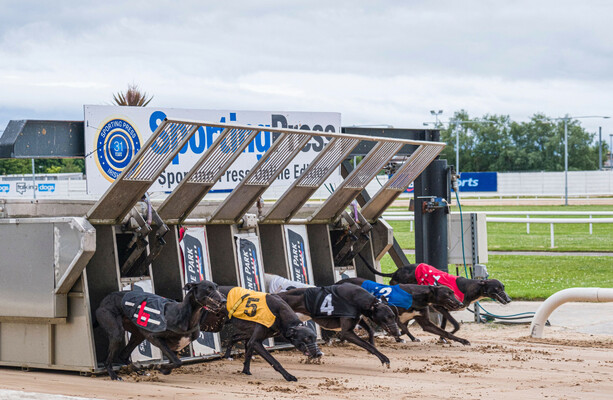
The recent Budget 2027 proposal includes over €20 million for the greyhound racing industry, the largest allocation in 25 years. This funding was approved amid growing public disapproval of the industry, which many view as cruel. A poll from 2024 by Norstat, commissioned by GREY2K USA Worldwide, revealed that 70% of respondents believe state funding for greyhound racing should end, with only 16% viewing the industry positively. Attendance at greyhound races has also significantly dropped, declining nearly 75% from 2005 to 2025.
Read More
Despite diminishing public support, the government, led by Fianna Fáil and Fine Gael, continues to financially back an industry associated with animal abuse and fatalities. In 2024 alone, 202 greyhounds died on tracks, with an additional 187 injured. By the first eight months of 2025, 134 greyhounds were euthanised, bringing the total to 376 killed or injured. Since 2014, there have been 3,938 reported greyhound injuries and 1,534 fatalities during races. Alarmingly, all dogs injured at the Newbridge Greyhound Racetrack were euthanised in 2025. These figures exclude injuries from unrecorded trial events that lack veterinary oversight.
The situation for greyhounds off the track remains dire, as around 16,000 are bred annually in Ireland. However, fewer than 1,000 find homes each year, leading to overcrowded rescues and pounds, which receive far less funding than the racing industry. An RTÉ documentary from 2019 estimated that 6,000 greyhounds are killed annually for not meeting performance standards.
Ireland is one of only four countries worldwide that permits commercial greyhound racing. Meanwhile, other regions, including Scotland and Wales, have moved to ban the activity, and New Zealand announced a ban effective at the end of 2024. However, government parties in Ireland have not considered similar measures despite public disdain for the industry.
Additionally, Ireland faces broader dog welfare problems, being known as the puppy farm capital of Europe, with estimates of 100,000 puppies bred yearly. Female dogs are often subjected to harsh breeding conditions, leading to health and behavioral issues in their offspring. In 2024, 7,352 dogs were entered into Irish pounds, representing a 77% increase since 2021.
The Dog Welfare (Amendment) Bill 2025, introduced by Social Democrat Jennifer Whitmore, aims to address issues like unlicensed breeding and the practices of puppy farms. The bill proposes measures, including capping the number of breeding females at 30 and limiting litters produced. Although there was initial cross-party support for the bill, progress has stalled, and promises of cooperation from ministers remain unfulfilled.
Whitmore also criticized the General Scheme of the Dog Breeding Establishments (Amendment) Bill 2026 for lacking crucial provisions such as a cap on breeding females. With only a small number of breeders exceeding this number, the government's resistance raises concerns about ineffective dog welfare reforms.
The prevailing view is that animal welfare should not be treated lightly, and government policies must reflect genuine concern for animal rights, particularly in light of substantial public opposition to practices like greyhound racing.