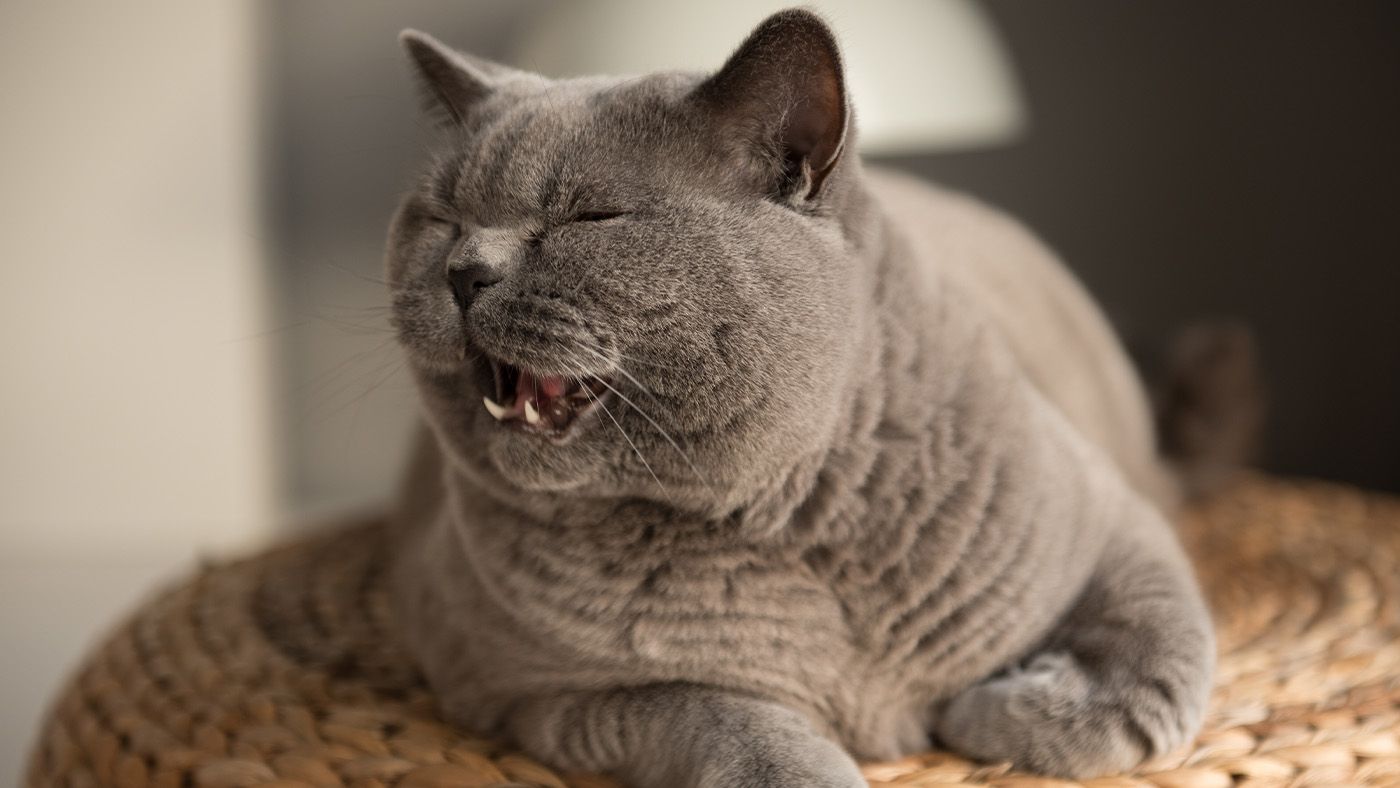
Researchers at Kyoto University’s Wildlife Research Center have identified a gene that may influence the vocal behaviors of cats, particularly their tendency to purr and meow. In their study, they examined the androgen receptor gene in 280 spayed or neutered mixed-breed cats, correlating the genetic findings with behavioral reports from cat owners.
Read More
The results indicated that cats with a shorter variant of the androgen receptor gene are more likely to engage in vocalizations. This effect is especially pronounced in male cats. Interestingly, female cats possessing the shorter gene also exhibited increased aggression towards strangers.
Lead author Yume Okamoto noted the substantial public interest in cat research, highlighting that 265 cat owners responded to their study invitation within a single day. The researchers pointed out that many of the participating cats were rescued strays, which may have influenced their higher vocalization rates. In contrast, purebred cats tend to have the longer version of the gene and are less vocal.
Additionally, the study found that the shorter gene variant was present in two wild cat species closely related to domestic cats: the leopard cat and the fishing cat. In comparison, the longer gene variant was primarily associated with certain house cats. These findings suggest that the processes of domestication and selective breeding have significantly shaped how cats communicate with humans over time.
Okamoto expressed hopes that the research would enhance understanding of feline behavior and foster stronger relationships between cats and their owners. The team aims to expand their investigation to include other wild cat species in future studies.