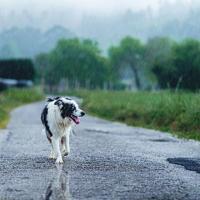
Thunderstorm anxiety is a common issue among pets, characterized by signs such as pacing, panting, hiding, or trembling when storms arrive. Dr. Erin Ray, a clinical assistant professor at Texas A&M College of Veterinary Medicine & Biomedical Sciences, emphasizes the importance of recognizing these behaviors and implementing preventive measures to help pets cope.
Read More
Symptoms of anxiety can differ among individual animals but often include pacing, hiding, whining, panting, and altered body posture. Pets may also exhibit gastrointestinal distress, like refusing food, vomiting, or diarrhea. Dr. Ray notes that pets might sense weather changes before humans do, which can heighten their anxiety.
To provide comfort during storms, owners should tailor treatment strategies to each pet's needs. Effective methods may include:
- Fitting pets with pressure wraps or compression jackets that mimic the sensation of being hugged.
- Creating positive associations by rewarding calm behavior with treats during storms.
- Utilizing pheromone diffusers or sprays designed for pets.
- Playing white noise to mask thunder sounds.
Dr. Ray recommends gradually introducing pets—especially puppies and kittens—to recordings of thunderstorms paired with positive activities. This desensitization can foster a more relaxed association with storm sounds. During actual storms, white noise and compression jackets can help alleviate anxiety, while staying close to their owner can offer comfort.
In more severe cases, storm anxiety might lead to respiratory distress or seizures. Dr. Ray advises pet owners to consult veterinarians for treatment plans, which may include medications. She warns against administering human medications or sharing prescriptions between pets due to varying dosages and health conditions. If medication is prescribed, it should be given approximately two hours before a storm, as directed by the veterinarian, and used alongside behavior training and positive reinforcement.
Pet owners can prepare for storms by observing their pets' typical reactions and providing comfort beforehand. Offering treats and reassurances while sitting together can help form a positive association and reduce the risk of stress-related behaviors. Dr. Ray suggests attempting non-medication strategies first, and if destructive behaviors or severe stress occur, contacting a veterinarian is crucial.
Overcoming storm anxiety can require time and patience, as each pet responds differently. Dr. Ray reiterates that medication should complement behavioral strategies rather than replace them. By implementing these practices and collaborating with veterinarians, pet owners can help their animals navigate thunderstorms with greater ease.