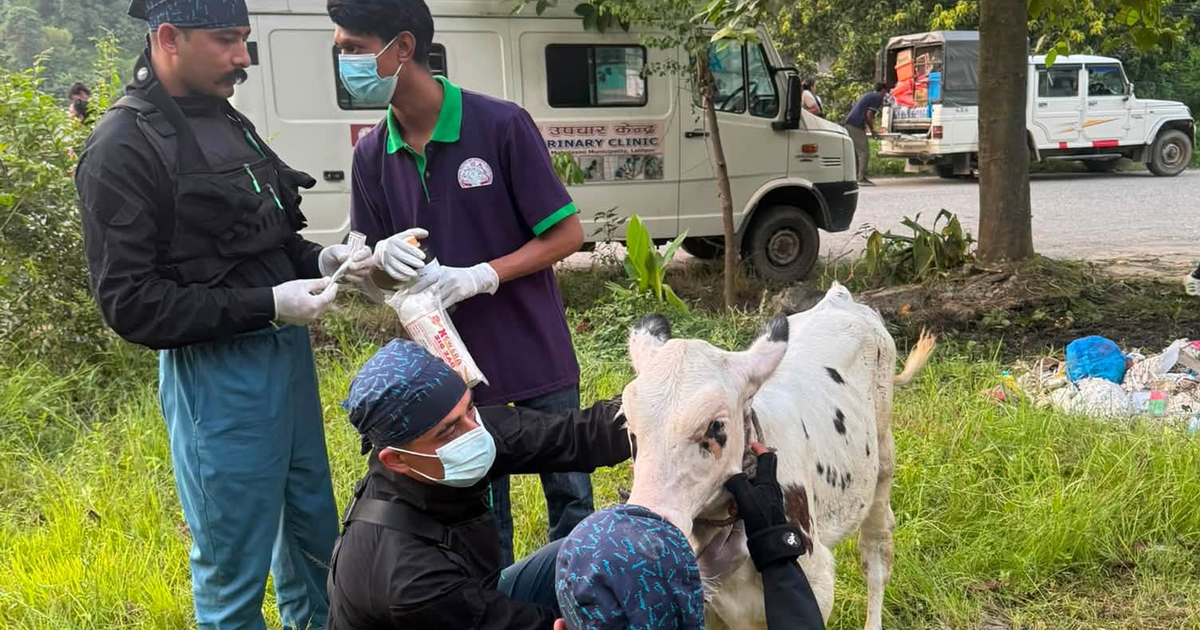
Access to isolated communities remains a significant challenge in the aftermath of the catastrophic flash floods that struck Nepal. Roads have been destroyed, leaving many areas cut off and hindering responders' ability to assess animal needs or deliver necessary supplies. The International Fund for Animal Welfare (IFAW) is collaborating with Temple Dog Rescue to provide food to villages now disconnected from major thoroughfares. While some homes remain safe from floodwaters, they lack reliable access to essential supplies, exacerbated by the influx of displaced animals from surrounding areas.
Read More
Local responders are leveraging veterinary offices to distribute animal supplies in these isolated regions. IFAW and its partners are attempting to integrate animal supplies into ongoing humanitarian aid deliveries, some of which are being airlifted due to the loss of road access. As the necessity for animal care becomes clearer, IFAW is increasing its support for Nepali organizations involved in disaster response. In addition to working with Sneha’s Care, IFAW has provided emergency funding to the Nepal Animal Welfare and Environment Society (NAWES) to advocate for animal needs in government and aid relief efforts.
Voice of Animal Nepal (VOAN) is also actively involved, conducting field assessments and collaborating with Sneha’s Care. Current assessments have revealed that while many animals have been relocated to safer areas, shelter remains a major issue, with some animals being housed under makeshift tarpaulins. Flood damage has buried agricultural lands under meters of debris, leaving farm animals without adequate food sources.
Families are struggling to provide for surviving animals amidst their own losses. Responders have identified immediate priorities as nutritious food, clean water, veterinary care, and safe temporary shelters. Efforts to include animal welfare in disaster response plans are ongoing, as many authorities in Nepal lack experience in addressing animal needs during emergencies. IFAW's support is helping bridge this gap.
Thanks to NAWES's efforts, the Nepal Red Cross is now beginning to assess animal needs alongside humanitarian outreach, which could lead to the inclusion of animal assistance in future aid deliveries. Initiatives are also underway to integrate animal welfare considerations into official post-disaster assessments, aiming to ensure that the requirements of both animals and the people reliant on them are prioritized in long-term recovery plans.
As conditions evolve and access improves, IFAW remains in contact with local partners to adapt to changing needs. The response is reinforcing preparedness initiatives that have been in place, enhancing cooperation among animal protection organizations and humanitarian agencies. Recovery from this disaster is expected to take considerable time, and IFAW will work closely with local partners to determine where assistance can have the most impact for both animals and their caretakers.
The floods, which occurred on August 27, 2026, were reportedly triggered by an ice-and-rock avalanche in the Himalayas, leading to widespread destruction and a humanitarian crisis affecting many communities on both the Nepal–China border. The situation remains critical, with preliminary reports indicating at least 160 fatalities, numerous missing persons, and damage to critical infrastructure, including approximately 40 kilometers of roads and vital bridges.