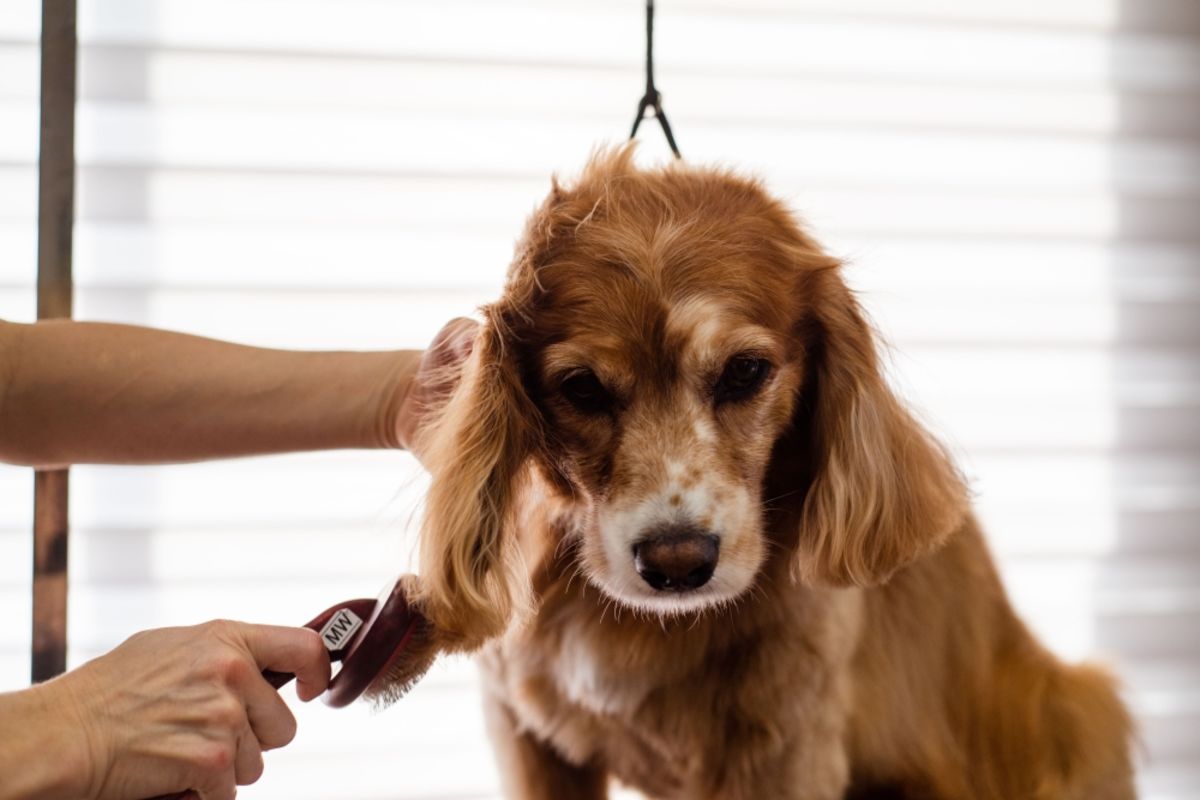
SINGAPORE — In response to a series of pet deaths linked to grooming negligence, Singapore has announced new animal welfare regulations for pet groomers and introduced its first Code of Animal Welfare specifically for dog trainers. The National Parks Board's Animal and Veterinary Service (AVS) unveiled the changes today, aimed at aligning local standards with international best practices.
Read More
The updated grooming code mandates that animals tethered or held in groups must be under constant physical supervision. Additionally, pets with special care requirements will need more vigilant monitoring. This move follows multiple incidents of harm or death due to animals left unattended at grooming facilities. Over the last three years, AVS has investigated 54 cases related to groomer-related pet injuries and fatalities. Notably, a corgi died in July 2024 after falling from a grooming table, leading to a S$10,000 fine for the salon owner. In another case from October 2025, a standard poodle named Buddy allegedly left alone for approximately 90 minutes at a grooming facility died, resulting in a former director facing animal cruelty charges.
The revised grooming code also enhances standards for animal handling, staff qualifications, client communication, incident reporting, and record-keeping. Alongside this, Singapore has launched its dedicated Code of Animal Welfare for dog trainers, establishing minimum welfare and professional competency standards. This code adheres to the "least intrusive, minimally aversive" (LIMA) principle, prioritizing humane training methods and positive reinforcement.
Minister of State for National Development and Foreign Affairs Alvin Tan, who presented the codes on World Animal Day at the National Library Building, emphasized that these measures aim to bolster pet owner confidence. "These efforts will further strengthen standards in the dog training sector and give dog owners greater confidence that their pets are cared for by trainers guided by clear standards of animal welfare and professional competency," Tan stated.
According to AVS, these codes are not merely guidelines; non-compliance may impact animal welfare investigations. "The codes set out minimum standards and best practices for how to house, manage and care for animals. If you fail to meet the minimum standards, it will be taken into account in animal welfare investigations," Tan added.
Additionally, Singapore authorities are reviewing the 2017 Code of Animal Welfare for pet owners, with potential revisions addressing owners' responsibilities, housing, diet, behavior, enrichment, and healthcare, along with species-specific standards for dogs, cats, birds, and small mammals. AVS plans to engage with pet owners, veterinarians, animal welfare organizations, and the public via surveys and focus groups.