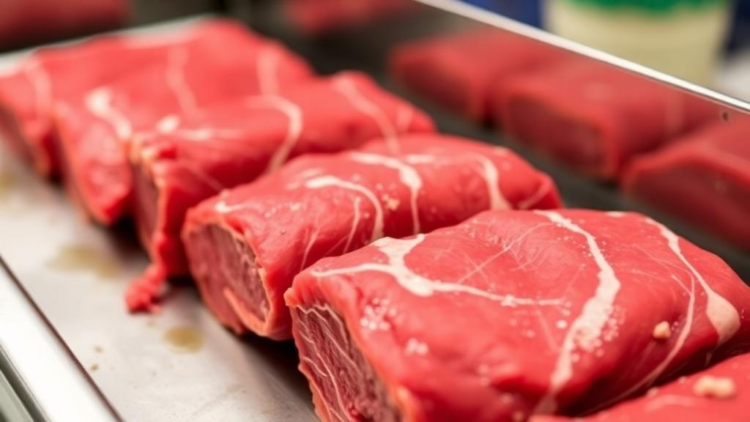
The raw pet food market is expanding rapidly as pet owners seek more natural and less processed options for their dogs and cats. However, this minimal processing can pose health risks, as raw meat products may carry pathogens such as Salmonella, Listeria, and pathogenic Escherichia coli, which endanger both pets and their human handlers. A study by researchers Ui-Bin Baek and Hack-Youn Kim at Kongju National University in South Korea, published in Food Science of Animal Resources, investigates the application of high-pressure processing (HPP) as a method to enhance the safety of raw beef while also examining potential quality trade-offs.
Read More
The researchers aimed to determine the optimal pressure levels for effectively inactivating harmful microbes while preserving the meat's quality. They treated raw beef loin, a common ingredient in pet food, using pressures of 0.1, 100, 300, and 500 megapascals for durations ranging from 5 to 15 minutes. Five pathogens were introduced to the meat: Salmonella Typhimurium, Escherichia coli, Staphylococcus aureus, Listeria monocytogenes, and Bacillus cereus. Samples were vacuum-packed and processed promptly to ensure accurate results.
Findings indicated a clear relationship between pressure levels and microbial survival. At 100 megapascals, microbial inactivation was minimal and often reversible, while higher pressures caused irreversible damage to microbial cells. Notably, a treatment at 500 megapascals for 15 minutes eradicated Salmonella Typhimurium below detectable levels, and other pathogens showed significant reductions.
The study also revealed differences in the resistance of various pathogens to pressure, with Gram-positive bacteria like Listeria and Staphylococcus showing greater resilience due to their thicker cell walls. Staphylococcus aureus proved the most resistant, likely due to several protective features.
In terms of food quality, the high-pressure treatments did not significantly alter moisture, protein, fat, or ash levels, partly due to vacuum packaging that minimized drip loss. However, increases in pressure and duration did affect other qualities like tenderness and color. The highest pressure treatment resulted in tougher meat despite greater water retention.
Interestingly, while lipid oxidation levels rose with increasing pressure, indicators of protein deterioration showed a decline at 500 megapascals due to suppressed microbial growth and enzyme activity. The results suggest that processing must be optimized rather than maximized; while high pressure effectively kills pathogens, it simultaneously adversely impacts meat quality.
Ultimately, the study advocates for moderate processing conditions at around 300 megapascals for 15 minutes, which efficiently reduces microbial contamination while better preserving the meat’s palatability. The researchers note the need for future sensory evaluations and analyses to better understand the implications of HPP on meat aimed at pet consumption.