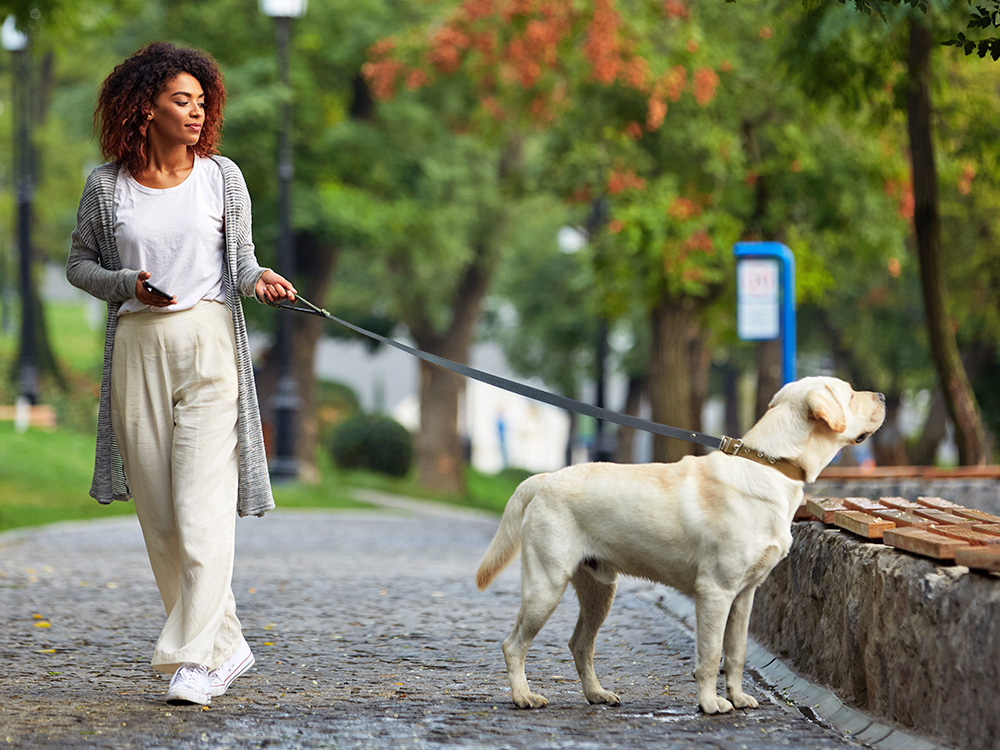
Many dog owners find it frustrating when their pets stop every few steps during walks. However, this behavior is part of a dog's natural way of interacting with their environment. Interviews with dog trainers and experts reveal why these pauses are essential for dogs.
Read More
Dogs possess up to 300 million scent receptors, making smell their primary means of understanding the world around them. Lorraine Rhoads, director of health and safety at Dogtopia, explains that sniffing is not just a distraction for dogs; it is a biological necessity. Each sniff provides valuable information about their surroundings, such as the presence of other animals and their emotional states. Rushing dogs along during walks limits their ability to gather this information, which Ali Smith, a dog trainer and founder of Rebarkable, argues can detract from their overall well-being.
Smith emphasizes that walks should cater to the dog's needs rather than just serving as an exercise routine. Allowing a dog to sniff their environment increases mental engagement and reduces stress. Understanding a dog's behavior during these pauses is crucial as dogs communicate through body language. Vibrant signals, like a wagging tail or a stiff stance, can indicate their feelings in that moment. For instance, a relaxed dog shows loose body language, while signs of anxiety include flattened ears or yawning.
When dogs stop, they may be gathering information about their surroundings, feeling overwhelmed, or trying to assess safety in a new environment. These behaviors do not indicate stubbornness but serve as essential communication regarding their needs. Owners should observe these signals closely, responding to pauses with patience and understanding.
Physical issues can also contribute to frequent stops. Pain from injuries, such as thorns in a paw or cold temperatures in winter, may prompt a dog to halt. Observing subtle signs like a tense gait or a tucked tail can help owners identify physical discomfort.
Ultimately, a fulfilling walk for a dog resembles a vacation for humans, where they can explore at their own pace. Smith illustrates this by comparing her dogs’ preferences, noting that while her Coonhounds enjoy a fast-paced, exploratory walk, her German Shepherd prefers a more leisurely stroll with occasional play. Both experts agree that walks should be tailored to a dog's individual preferences, allowing them the freedom to choose their route and pace, thus enhancing their confidence and reducing stress.