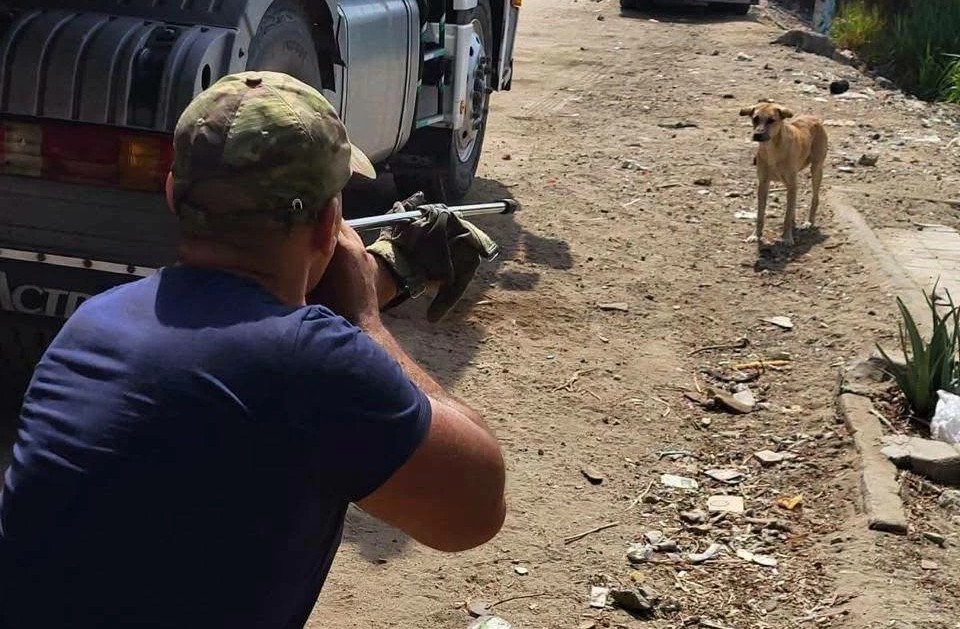
The General Organization for Veterinary Services under Egypt's Ministry of Agriculture and Land Reclamation is enhancing efforts to prevent rabies and manage the issue of stray dogs nationwide. These initiatives are designed to ensure a swift response to reports, prioritizing public health and safety.
Read More
Hamed al-Aqnas, head of the organization, stated that veterinary teams, equipped with necessary resources and collaborating with the Ministry of Local Development and local authorities, are actively addressing cases that need attention.
The response plan involves safely capturing stray dogs, followed by veterinary examination and assessment. Depending on the evaluation, appropriate actions are undertaken, which may include rabies vaccination, sterilization, and eventual release if deemed suitable under regulations.
Aqnas emphasized that aggressive animals identified as threats to public safety are handled in compliance with established regulations and animal welfare standards. Protecting citizen safety remains a primary focus of the authority.
Response teams are deployed to address reports and intervene in areas as necessitated by specific assessments of each situation. Additionally, 12 animal shelters have been established in various governorates, including Cairo, Giza, and Alexandria, among others.
To support these operations, 14 vehicles have been designated for fieldwork, including two stationed at the Authority's headquarters and others in different governorates.
Aqnas reported that 200,000 doses of rabies vaccine are being distributed free of charge to bolster vaccination efforts throughout the country. Teams now have the required equipment for the safe capture and handling of dogs, with further supplies of nets and tools being procured to improve responsiveness.
He noted that the approach taken by the state encompasses more than just vaccination; it includes responding to reports, capturing and assessing animals, and managing those posing immediate risks. Raising awareness and preventing rabies through collaboration with veterinary medicine directorates and local authorities is also part of this initiative.