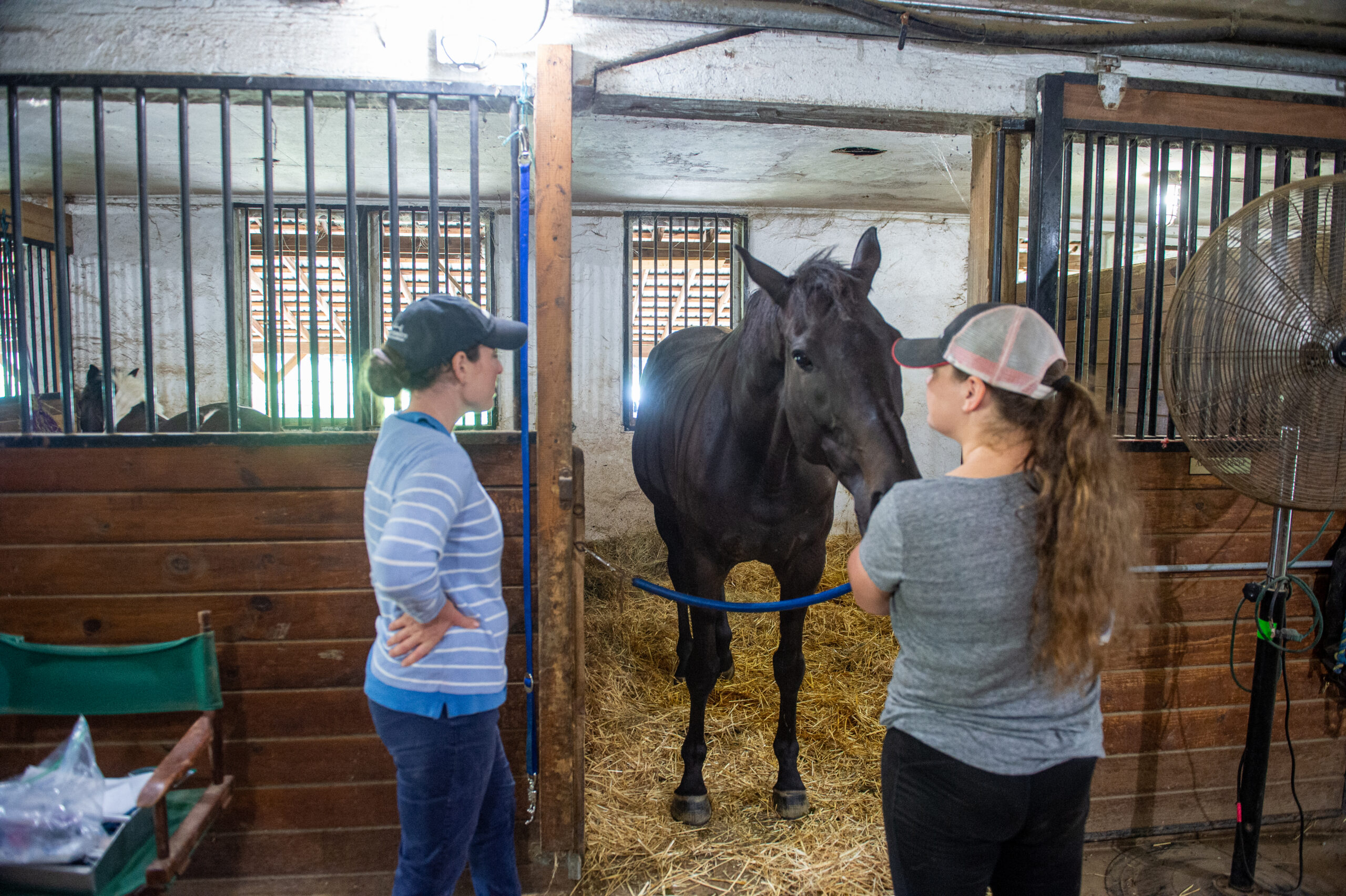
The distributive model in veterinary education allows students to gain practical experience by riding alongside veterinarians in participating practices, as detailed in a recent episode of The Business of Practice podcast featuring Dr. Nicki Wise, DVM, PhD, DACVIM (LAIM).
Read More
In recent years, new veterinary programs have increasingly adopted this model to provide the clinical educational component of a Doctor of Veterinary Medicine degree. Schools implementing a distributive model include Western University, Texas Tech University, the University of Arizona, Long Island University, Clemson University, Lincoln Memorial University, Utah State University, and Arkansas State University. Most new veterinary schools being developed globally, particularly in the U.K., are also incorporating similar distributive programs.
Dr. Wise traced the origins of the distributive model to the 1700s in the U.S., where veterinary students learned through apprenticeships with farriers, leading to a shift towards large university hospitals for veterinary training in the 1930s.
She explained that distributive rotations differ from traditional externships in that they involve formal agreements between veterinary schools and the participating practices. These agreements mandate that supervising veterinarians assess student progress. Practices typically undergo inspections and veterinarians may receive necessary training, a process that can be demanding. However, Dr. Wise noted that fostering effective feedback, clear expectations, and enhanced communication skills can positively influence the culture within practices.
Veterinary schools that adopt the distributive model usually provide a stipend per student per week to the practices to mitigate the impact of educational time on efficiency. Dr. Wise emphasized that students benefit significantly from experiencing “real life” in equine veterinary practices. She outlined how initial clinical skills are taught on models before students transition to working with live animals, allowing them to develop confidence and “feel” for procedures, such as passing a nasogastric tube, through repeated practice.
Dr. Wise concluded that adults learn most effectively through repetition in safe environments, and exposure to various practice aspects during rotations enhances students' educational experiences.
About Dr. Nicki Wise
Dr. Nicki Wise, DVM, PhD, DACVIM (LAIM), is the Associate Dean of Academic Affairs at the Clemson College of Veterinary Medicine, which will welcome its first class in fall 2026. Raised in Walterboro, South Carolina, she obtained a bachelor’s degree in biology from Winthrop University before earning her DVM from the University of Georgia. After an internship at Texas A&M, she completed a residency in internal medicine and a PhD at Washington State University. Dr. Wise joined St. George’s University School of Veterinary Medicine as an associate professor in large animal medicine and surgery in 2014, became a professor in 2019, and was later appointed Associate Dean of Year Four Clinical Training. She joined the Clemson College of Veterinary Medicine team in 2024.
Dr. Wise is married to Dr. Brian Butler, who is also a faculty member, and they have two daughters, a dog, and a horse.