A joint research initiative between the University of Colorado Anschutz and Colorado State University (CSU) aims to enhance trauma care for both humans and dogs, targeting conditions prevalent in combat zones and civilian settings.
Read More
This partnership builds on a long-standing collaboration between CU Anschutz and CSU in diverse medical research fields, including emergency medicine and oncology. Researchers are focusing on the biological similarities between humans and dogs, particularly in terms of trauma responses. Dogs that suffer severe injuries—whether from vehicle accidents, animal attacks, or injuries sustained while detecting explosives—exhibit trauma patterns similar to those in humans. Studying these cases could accelerate the development of new medical treatments beneficial for both species.
Globally, trauma-related deaths are estimated at 6 million annually, which also constitutes a leading cause of mortality in pets. Tara Hendry-Hofer, MSN, RN, a research scientist in the CU Anschutz Department of Emergency Medicine, emphasizes that the CU-CSU collaboration facilitates a more efficient transition from preclinical research to clinical application.
Hendry-Hofer, who leads preclinical research at CU's Center for Combat Medicine and Battlefield (COMBAT) Research, states that veterinary medicine often presents a cost-effective avenue for early-stage studies that inform human treatment pathways. One current project examines the use of tranexamic acid (TXA) for controlling severe bleeding in trauma patients, particularly in settings where medical resources are limited. TXA reinforces blood clots and is already FDA-approved for specific uses in humans.
The research teams are investigating whether intramuscular injections of TXA can be effective in treating severe bleeding in both humans and dogs, as this method may simplify administration in critical situations. Hendry-Hofer notes that conducting initial trials in veterinary models can expedite the eventual FDA approval for human clinical applications.
Hendry-Hofer collaborates with Kelly Hall, DVM, MS, DACVECC, a CSU professor and executive director of the Veterinary Committee on Trauma. Hall highlights a shared commitment to enhancing trauma outcomes for both pets and people, advocating for the idea of “lab to Labrador” in translational research.
In a recent article, Hall argued for utilizing real-world trauma cases involving pets to inform clinical practices for humans, noting that animals in natural settings may provide more relevant data than lab-based models.
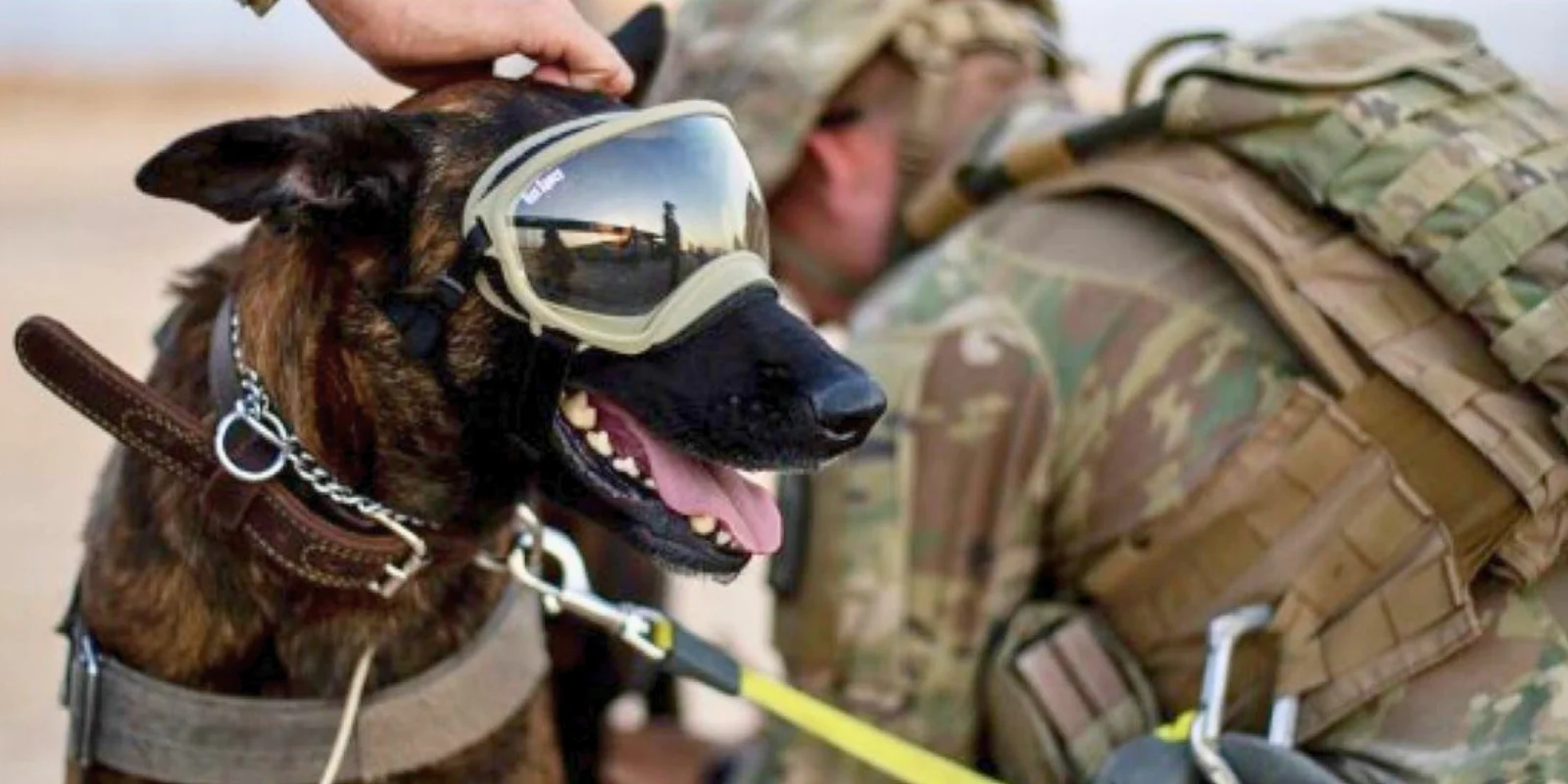
The project aims to develop a stable TXA treatment suitable for both dogs and humans in battlefield scenarios. Historically, military dogs have played crucial roles in various conflicts, such as Stubby in World War I and Chips in World War II, showcasing their importance in combat settings. Today, around 1,600 trained dogs serve in the U.S. armed forces, performing tasks that often place them in harm's way.
Hall describes these working dogs as “a force multiplier,” highlighting their frequent exposure to danger. Previous reports suggest that TXA has been used experimentally in battlefield scenarios for humans, prompting research teams to explore applying similar approaches in veterinary medicine to seek FDA approval for intramuscular TXA.
Additional projects are in development, including a veterinary adaptation of advanced trauma life support training and research comparing metabolic changes in dogs and humans across various injury types.