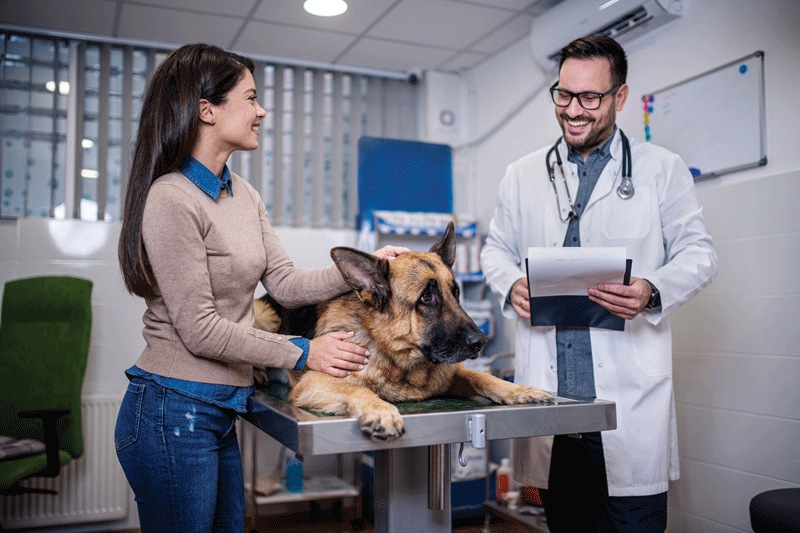
A veterinarian, referred to as Dr. Simms for anonymity, faced a challenging situation in her urban practice, which was dealing with a significant number of cases of obesity in dogs. This condition, also referred to as Canis morbidus, has severe implications, leading to shorter lifespans, various co-morbidities, and reduced quality of life.
Read More
Despite the urgency of addressing this health issue, Dr. Simms found herself growing frustrated when clients often failed to follow her recommendations for managing their pets' weight, leading her to minimize discussions about obesity during examinations. While this approach seemed to streamline her practice, it ultimately resulted in negative outcomes for numerous dogs affected by the condition.
The discussion surrounding pet obesity is critical, especially considering the findings from the Association of Pet Obesity Prevention (APOP), which reported that in 2022, 59 percent of dogs in the U.S. were classified as overweight or obese. This figure has risen from 56 percent in previous years and significantly from 43 percent in 2007, when the APOP began tracking these statistics. A significant concern is the gap between owners' perceptions and the reality of their pets' health, termed the "fat pet gap." Many owners may not recognize their pets as overweight, often downplaying the issue as mere "vanity pounds" or “extra fluff.” However, research shows that overweight dogs tend to live shorter lives and are predisposed to serious health issues.
Veterinary professionals must confront obesity head-on. Successfully addressing this challenge involves understanding that while genetics may play a role, the environment significantly influences the expression of obesity. The solution, though simple in theory—managing the balance of calories consumed versus calories expended—is often complicated in practice due to various barriers.
Some key barriers include the difficulty in accurately calculating a dog’s daily caloric needs, often underestimated by pet owners, who may overestimate portions significantly. Research indicates a notable discrepancy, with one study showing owners overestimating portions by up to 152 percent. The challenge is compounded by the different ways food is measured and the treats dogs receive from family members, which can further skew calorie intake.
To effectively combat obesity, veterinarians should incorporate several strategies into their practice. First, they must actively engage in conversations about obesity with pet owners, as research shows that most clients do not feel ashamed discussing the issue and are open to changing their pets’ eating behaviors. It is important to communicate the serious health risks associated with obesity, framing the conversation as a team effort to combat the disease.
Additionally, improving understanding of caloric calculations can enhance treatment effectiveness, whether through self-education or involving a specialist. Encouraging proper measurement of portions at home, potentially transitioning clients to using a gram scale instead of inaccurate measuring cups, can also help ensure dog owners follow nutritional guidelines more accurately.
Routine check-ins with clients and their pets are essential for monitoring progress and making necessary adjustments. These rechecks should involve the whole team and aim to celebrate any success achieved in weight management. Establishing a supportive and engaged relationship with clients can enhance their adherence to weight loss plans.
In summary, veterinarians are called to tackle pet obesity proactively and thoughtfully. By fostering open dialogue, utilizing resources, and engaging with pet families, they can make a significant impact on their patients' health and quality of life. Dr. Brandon Stapleton, a veterinarian with experience in private practice and the pet nutrition industry, emphasizes that each step taken towards educating clients about obesity is a valuable contribution to improving the health of their pets.