On May 24, 2014, an Oregon Zoo veterinarian found several cotton-top tamarins dead inside a cooler that had housed them following their shipment from Harvard's New England Primate Research Center (NEPRC). The critically endangered species is native to northwestern Colombia, with fewer than 6,000 remaining in the wild. The vet discovered four deceased tamarins in one container and two more in another. The survivors included an infant whose parents were among the dead. The U.S. Department of Agriculture has conducted an investigation into the incident, but it did not determine the cause of death.
Read More
The tamarins had been placed in quarantine due to their recent move from Massachusetts. During this incident, a vet hesitated to contact Harvard for fear of emotional distress, highlighting the tension surrounding the NEPRC's legacy.
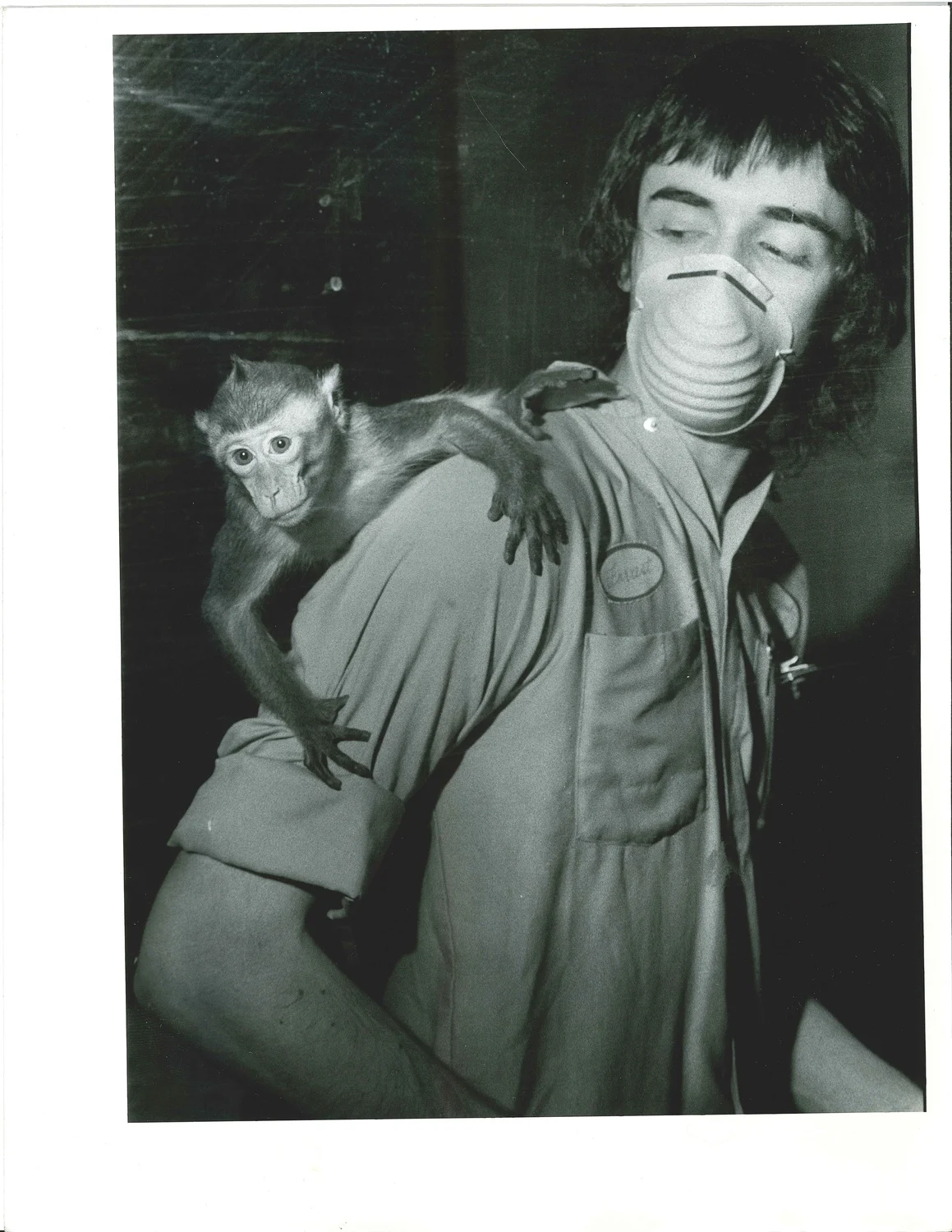
Originally a pioneering facility for research on HIV, Parkinson's disease, and addiction, the NEPRC was one of eight federally established centers designed to serve as repositories and research hubs for primates. Despite being under the auspices of Harvard Medical School, the NEPRC operated largely independently and faced numerous allegations of animal misconduct over several years.
Problems began surfacing with reports of dead monkeys and mishandling of primate care protocols. Internal and external pressures mounted as the center struggled with allegations of mismanagement and the eventual decision by Harvard Medical School to close the facility in April 2013 due to financial constraints.
Then-University Provost Alan M. Garber praised the staff for their contributions but admitted that the closure resulted from tough financial choices amid dwindling federal support for scientific research. Although the National Institutes of Health had expressed willingness to continue funding the NEPRC, Harvard leadership decided against it, citing costs associated with ongoing operations.
The NEPRC had operated in Southborough, Massachusetts, for 50 years, breeding and caring for primates used in biomedical studies. Early discoveries, particularly by Ronald C. Desrosiers in simian immunodeficiency virus research, established the center as an essential player in the field. However, in later years, the facility faced scrutiny, particularly following a series of preventable animal deaths linked to inadequate care.
Under pressure from animal rights activists and negative media attention, particularly after high-profile incidents involving animal deaths, Harvard began to intervene more directly in the NEPRC's operations. Eventually, leadership changes did not prevent more deaths, and by early 2012, it became clear that systemic issues persisted.
Following further investigations and internal audits revealing repeated noncompliance with animal care standards, the NEPRC was officially shuttered. The decision to dismantle the facility included relocating over 1,700 animals and dispersing a staff of 200, resulting in significant shifts in the landscape of primate research in the U.S.
The NEPRC's closure, which shocked many affiliates and researchers, marked a significant loss for the scientific community focused on critical health issues. While animal rights organizations celebrated the decision, many in the research community mourned the loss of a facility that had contributed significantly to advancements in medical research. Harvard has since deflected inquiries about the decision-making process, emphasizing its commitment to animal welfare and research, but questions remain about the impact on ongoing biomedical research and the legacy of the NEPRC.