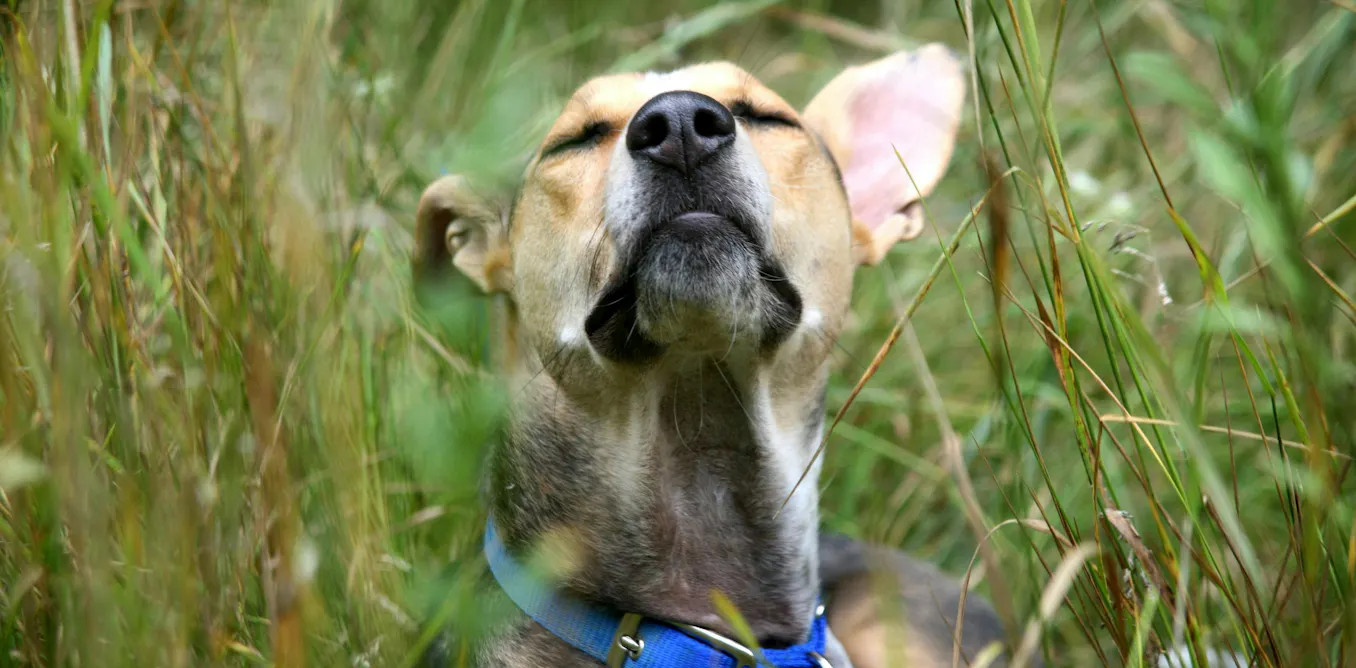
Dogs experience the world primarily through their sense of smell, often focusing on the scents left behind by other animals. Engaging with these scents is not merely a pastime; studies indicate that exposure to specific smells can alleviate stress and boredom, promote relaxation, and encourage interaction with toys and surroundings.
Read More
Research reveals that dogs have distinct scent preferences, and introducing novel scents can significantly enhance their quality of life. Based on a recent study published in Applied Animal Behaviour Science, here are six ways to enrich your dog's environment through scent activities, all of which are manageable and affordable for dog owners.
1. **Scent Work**
Scent work classes, where dogs learn to find and signal hidden scents, have gained popularity. Participating in these activities has been shown to foster optimism and focus in dogs, surpassing the benefits of traditional agility sports. Trained dogs have even contributed to citizen science efforts, such as locating invasive species and aiding in lung cancer research.
2. **Sniff-Based Walks**
These walks focus on allowing dogs to explore their surroundings through scent without distractions from other dogs or people. Often termed “sniffaris,” this practice is low-cost and simple to implement. Caregivers may prefer “sniff spaces” or parks that are rented for private use, offering a safer environment for exploration.
3. **Scent-Enriched Environment**
Enhancing your dog's home with animal or plant scents encourages exploration. Animal scents like straw bedding, rabbit urine, or an old saddle can stimulate curiosity, while plant scents such as vanilla or lavender, when safely diluted and applied, can promote relaxation and calmness.
4. **Outdoor Sensory Gardens**
Creating outdoor spaces with pet-friendly plants such as rosemary, basil, and lavender can significantly enhance a dog's sensory experience. It's advisable to consult with a veterinarian to ensure the selected plants are safe for your pet.
5. **Scatter Search Feeding**
This activity involves hiding food in different locations for dogs to find, transforming mealtime into a treasure hunt. Initially, dogs might need guidance to learn this activity, but with practice, they will become proficient at locating their hidden treats.
6. **Scent Engagement Games**
Indoor activities can include hiding food in snuffle mats or creating treasure hunts by concealing treats in cardboard boxes arranged in layers. Supervised scent engagement games can provide mental stimulation and enjoyment for dogs.
Incorporating these scent-based activities into your routine can significantly enhance your dog's well-being, offering them engaging and fulfilling ways to explore their world.