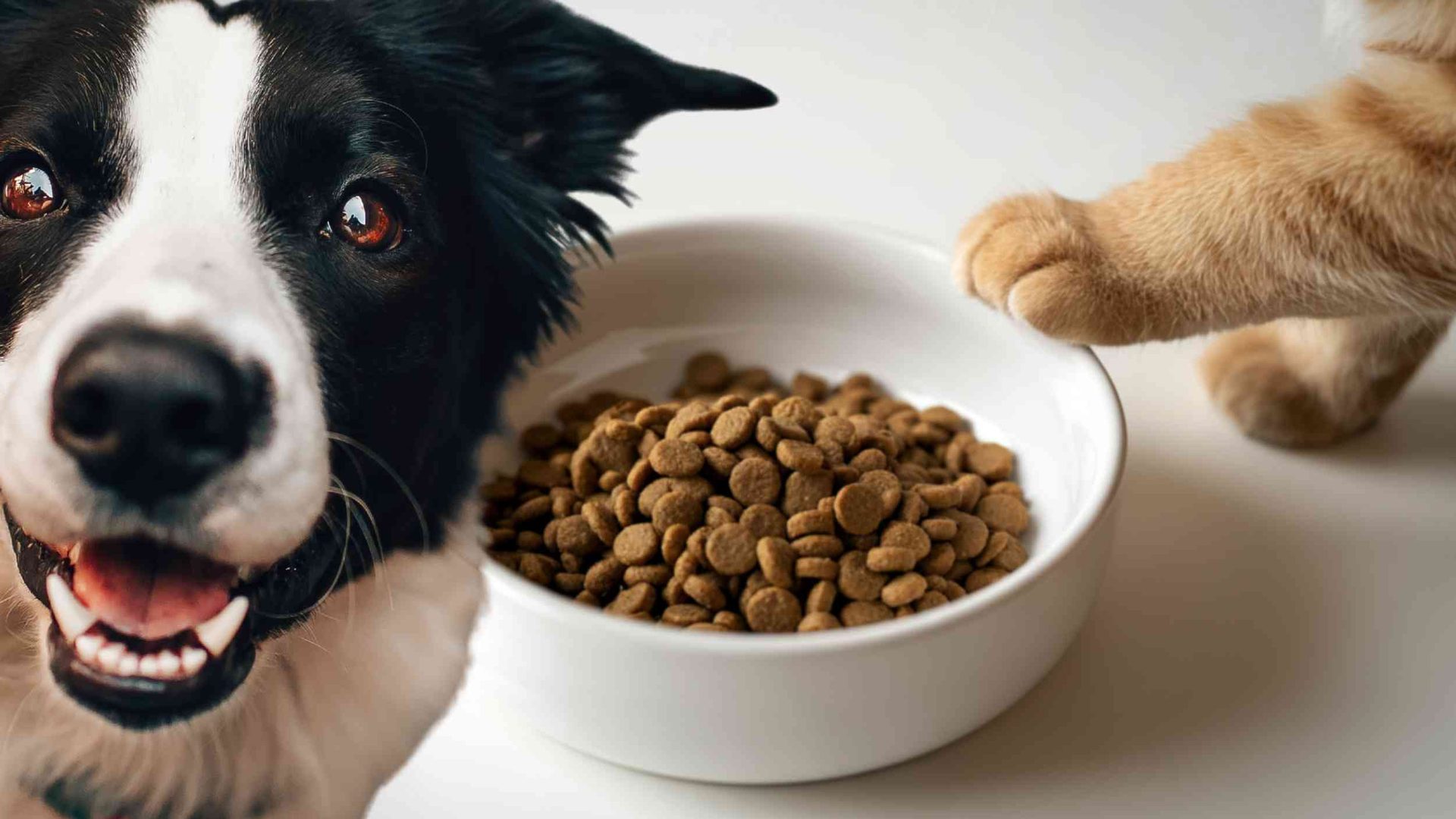
A recent study has discovered significant levels of persistent industrial chemicals, specifically PFAS, in widely sold dog and cat foods. This finding indicates that routine feeding can lead to continuous exposure for pets, especially those consuming the same food over long periods.
Read More
Conducted across 100 products in Japan, researchers identified contamination in both dog and cat foods. Kei Nomiyama from Ehime University linked the patterns of contamination to ingredient lists and country of origin. Notably, some cat foods contained high PFAS levels, with a Chinese dry food showing 16 parts per billion and a wet cat formula at 10 parts per billion. Such consistent exposure raises concerns, as pets typically consume a single brand for months.
PFAS are long-lasting chemicals used in various products, including packaging and water repellents. Once ingested, they remain in the body and can accumulate in organs and blood. For pets that eat similar meals daily, what might start as trace contamination can become significant over time. Therefore, ingredient lists are crucial, overshadowing marketing claims regarding safety.
Fish-based formulas consistently showed higher PFAS levels, particularly those labeled with whole fish, seafood, or fish byproducts. This trend aligns with existing knowledge that aquatic food webs can concentrate contaminants. In contrast, meat-based foods generally contained lower PFAS levels, indicating that ingredients played a key role in contamination.
The type of food also influenced exposure levels. Dry food often had higher PFAS per unit weight but wet food could result in greater total exposure at mealtime, as pet serving sizes for canned food are typically larger. For example, recommended daily portions can reach about 14 ounces for cats and 47 ounces for large dogs.
Geographically, the source of contamination varied. Wet foods from Asian manufacturers exhibited different chemical patterns compared to those produced elsewhere, with specific compounds indicating a Chinese industrial origin. While these regional fingerprints suggest potential supply chain issues, they do not confirm a single source of contamination.
Interestingly, the study found that cats had the highest PFAS concentrations, with detectable levels in their blood linked to potential health risks. Earlier research suggested connections between PFAS exposure and thyroid and liver disease in cats. While it remains unproven that pet food is the source of these illnesses, the implications for species-specific testing are significant.
When comparing the estimated PFAS intake from pet food to European safety benchmarks, several products surpassed recommended limits. The hazard quotient, which identifies potential concerns, indicated that some averages exceeded a critical threshold. Currently, the European Food Safety Authority recommends a limit of 4.4 nanograms per kilogram of body weight per week for certain PFAS.
The implications of this study extend beyond pet food safety. According to Nomiyama, pets may serve as indicators of broader environmental threats, as humans could also be affected by the same contaminants present in households. This emphasizes the need for further testing and clear regulatory standards for pet food.
While Japan has established a pet food safety law, it does not set specific PFAS limits, leaving manufacturers without definitive guidelines. The absence of pet-specific toxicity data further complicates the issue, as existing human thresholds may not be appropriate for pets.
The study advocates for improved ingredient testing and the development of safety standards tailored to pets. Published in the journal Environmental Pollution, the findings underscore a growing concern regarding environmental contamination in the home.