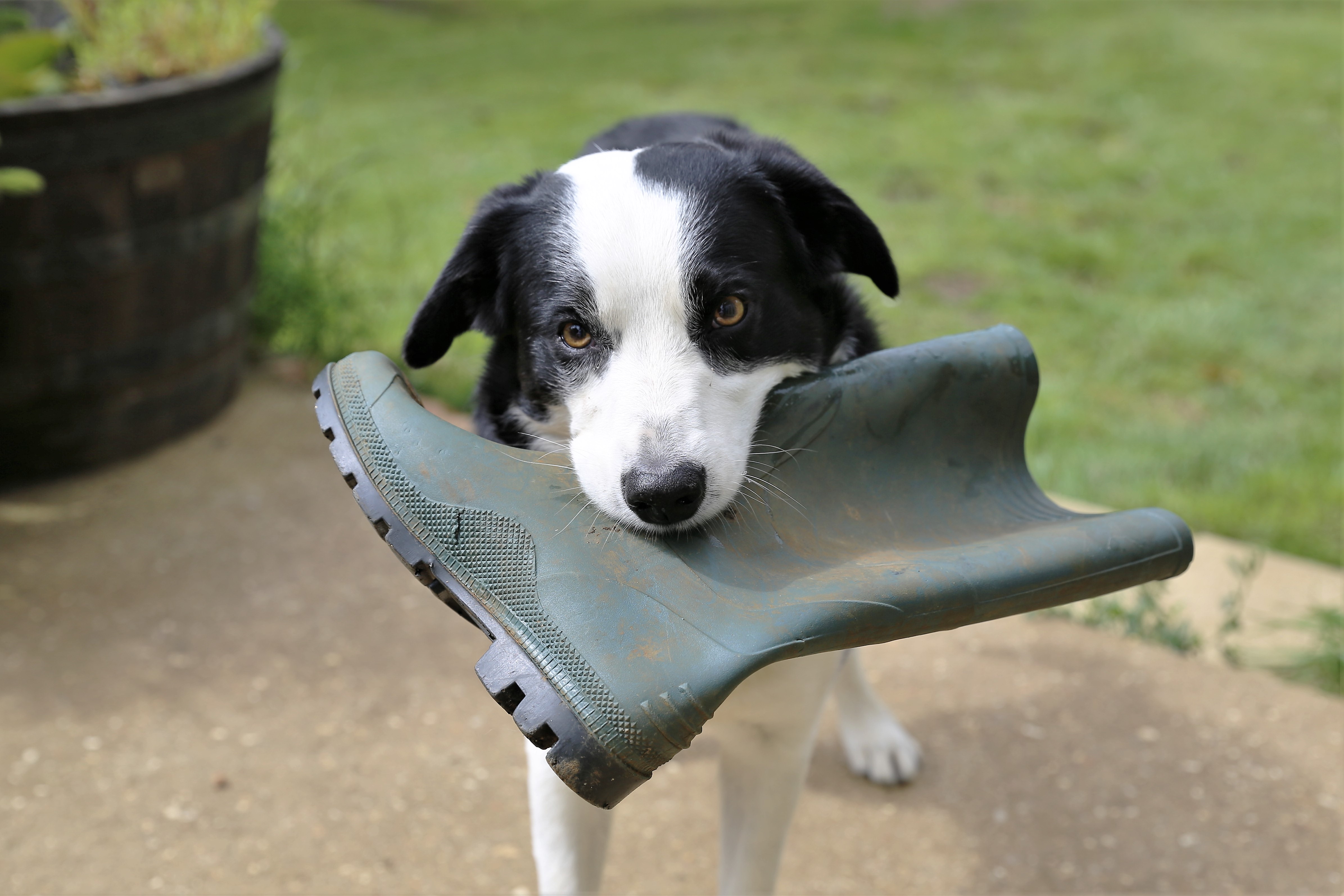
A recent study from the University of Portsmouth’s Dog Cognition Centre and the Friedrich Schiller University of Jena has identified curiosity, focus, and inhibition as key traits that differentiate dogs capable of learning the names of hundreds of objects from other dogs. This is the first research to explore what makes certain dogs excel at recognizing various items by their labels.
Read More
The findings, published in the journal Scientific Reports, reveal that ‘label-learning dogs’—which can identify many objects simply by hearing their names—display distinctive cognitive traits. Not all dogs possess this remarkable ability, which appears to be an innate skill.
Dr. Juliane Kaminski, an associate professor at the University of Portsmouth, noted that identifying such a wide range of objects is a rare talent not found in most dogs. Alongside her colleague, Dr. Juliane Bräuer, they studied 11 dogs from five countries, including the UK, USA, Switzerland, the Netherlands, and Germany, all considered label learners by their owners. To participate, the dogs had to pass a pre-test demonstrating their label-learning capabilities.
The study employed citizen science, where owners administered a series of cognitive tests to their dogs. These tests were designed to assess learning, interest in objects, and communicative skills while ensuring owners did not influence their dogs’ choices. The researchers analyzed recorded footage of the tests to validate the methodology and outcomes.
The selected dogs included border collies, crossbreeds, a Spanish waterdog, and a pug, all of which underwent eight cognitive tasks to explore their label-learning abilities. In addition to the label-learning group, a control group of dogs lacking this skill was tested for comparison.
Dr. Bräuer emphasized the rarity of label-learner dogs, and the clarity of the differences observed between them and average dogs was unexpected. The study pinpointed three traits that contributed to the success of label learners: heightened curiosity, focused interest in particular objects, and inhibition, or the ability to control their responses to distractions.
Dr. Kaminski indicated that future research will investigate whether these traits are inherent from puppyhood or develop over time through training. This study may pave the way for the creation of a ‘Puppy IQ Test’ to evaluate young dogs' aptitude for learning names of household items and their potential as service animals.
Among the participants was Harvey, a dog known for memorizing the names of 203 toys. His owner, Irene, remarked on how the study highlights the role of curiosity in his exceptional talent.
Dr. Kaminski's interest in dog cognition began over 20 years ago after observing a border collie named Rico who could label 200 items, leading to her pioneering work in the field. Since the establishment of Portsmouth’s research centre, hundreds of dogs have participated in various tasks aimed at understanding their cognitive abilities.
The research remains strictly observational, using non-invasive methods, and all dogs receive rewards for completing tasks. Previous studies have shown that dogs may have evolved new facial muscles to enhance communication with humans, with research confirming dogs often exhibit greater eyebrow movement when they are being observed by people.
Dr. Bräuer, who heads the DogStudies research group, is interested in dog-human cooperation and cultural variations in interactions. She and her team are continually seeking participants for future studies on label-learning dogs.